admin
admin 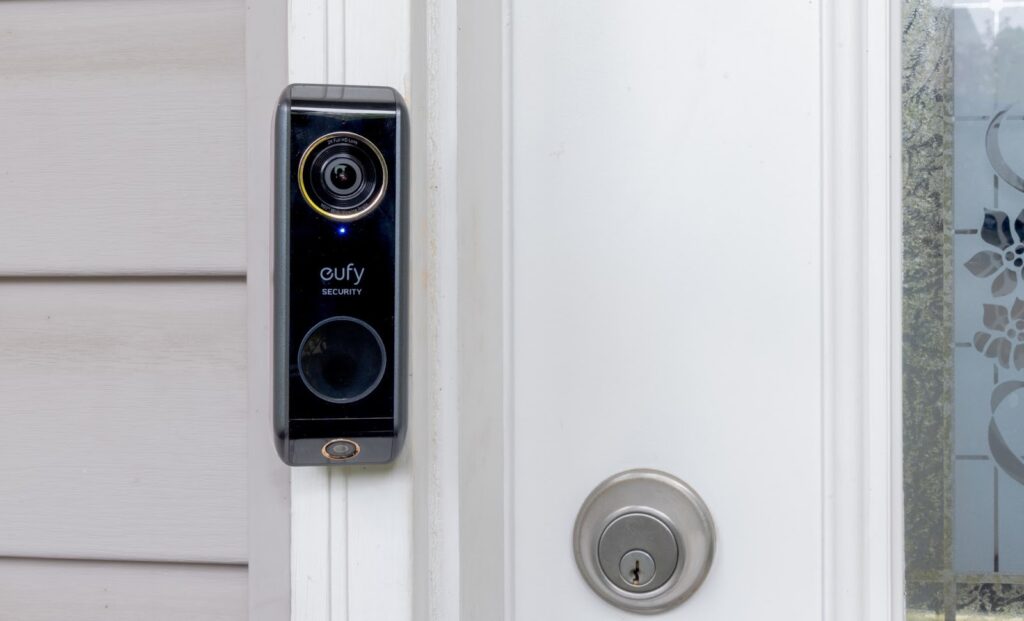
Is Your Video Doorbell Battery Draining Fast in Cold Weather? Here’s How to Fix It – © Shutterstock
When winter hits, many smart home owners find themselves frustrated by the quick battery drain of their outdoor devices, particularly video doorbells.
Sarah Talbi
Published on January 8, 2026
As more people install smart devices around their homes, the need for reliable outdoor technology becomes even more pressing. Video doorbells and security cameras, for example, have become central to home security, offering convenience and peace of mind.
However, winter conditions present unique challenges to these devices, as many homeowners are left wondering why their high-tech tools are suddenly underperforming in the cold.
The Science Behind Battery Drain in Cold Weather
Batteries used in most video doorbells and security cameras are typically lithium-ion (Li-ion) batteries, the same type found in many smartphones and laptops. However, when exposed to cold temperatures, these batteries don’t behave as they do in warmer weather.
According to Popular Mechanics, the electrolyte inside a Li-ion battery thickens as the temperature drops. This thickening makes it harder for the ions to flow between the battery’s electrodes, which reduces its efficiency. As a result, the battery struggles to deliver power, and its charge drains faster than usual.
 © Shutterstock
Think of it like drinking a thick milkshake through a straw: the colder the milkshake, the harder it is to suck through. Similarly, the colder the temperature, the less efficient the battery becomes, leading to quicker depletion. This is why video doorbells and other battery-powered devices tend to perform poorly in winter months.
Charging Challenges in Freezing Temperatures
Another issue that arises in freezing temperatures is the inability to safely charge the devices. Many device manufacturers, aware of the risks, disable charging when the temperature falls below 32°F (0°C). Attempting to charge a Li-ion battery in these conditions can lead to a process called lithium plating, which permanently reduces the battery’s capacity.
To prevent this damage, manufacturers build a lock-out feature into their devices, which prevents users from charging the battery in freezing conditions. This means that, when it’s sub-zero outside, charging your video doorbell or security camera becomes a hassle. Owners will need to bring their devices inside to recharge them, and in some cases, the devices will need to be recharged more frequently than in milder weather.
Wired Devices as a Solution (With Limitations)
For those tired of the frequent recharging, there is an alternative: wired video doorbells. Wired devices, unlike their wireless counterparts, are powered directly through a connection to the home’s electrical system, meaning they aren’t as affected by temperature fluctuations. This eliminates the issue of battery drain caused by the cold, offering a more reliable solution.
However, even hardwired devices like the Google Nest Doorbell aren’t entirely immune to winter challenges. Some wired devices feature a “trickle charge” system that keeps the battery charged through the electrical connection.
But since the device still relies on the battery to function, cold temperatures can still interfere with the charging process, making it less effective. Additionally, installing a wired device can be more complicated, requiring a connection to the home’s electrical system and potentially involving tricky placement to hide wires.
Original:https://indiandefencereview.com/video-doorbell-battery-draining-fast-cold-weather-fix-it/