admin
admin 
By Jordan Price / 20 January 2026 : 16:35
 The argument started over a crumble.
A friend was standing in my kitchen, spoon in hand, eyeing the two jars on the counter. “White sugar or brown?” he asked, already reaching for the brown one. “This one’s healthier, right?” he added with the confidence of someone who’s heard the same thing a hundred times.
I paused, watching him sprinkle generous brown crystals over the apples. The smell of cinnamon, butter and toasted oats filled the room. It felt like such a tiny choice, the kind you make without thinking. White or brown, like choosing tea or coffee, bus or bike.
Then I said, almost apologetically: “You know they usually come from the exact same plant, right?”
He froze, spoon mid-air.
And that’s when the crumble stopped being the most interesting thing in the room.
White sugar, brown sugar: same origin, different story on the shelf
Spend a few minutes in the baking aisle and you can watch the whole theatre play out.
On one side, pristine packets of white sugar lined up like identical tiles. On the other, slightly more rustic bags of brown sugar, posing as the “natural”, “less processed” option. The pricing often nudges you too: brown sugar can cost more, as if you’re buying an upgrade for your health.
Most people glance, grab, and move on. No time to investigate the fine print on the packaging. Yet both products almost always come from the same place: sugarcane or sugar beet.
Same plant.
Different marketing costume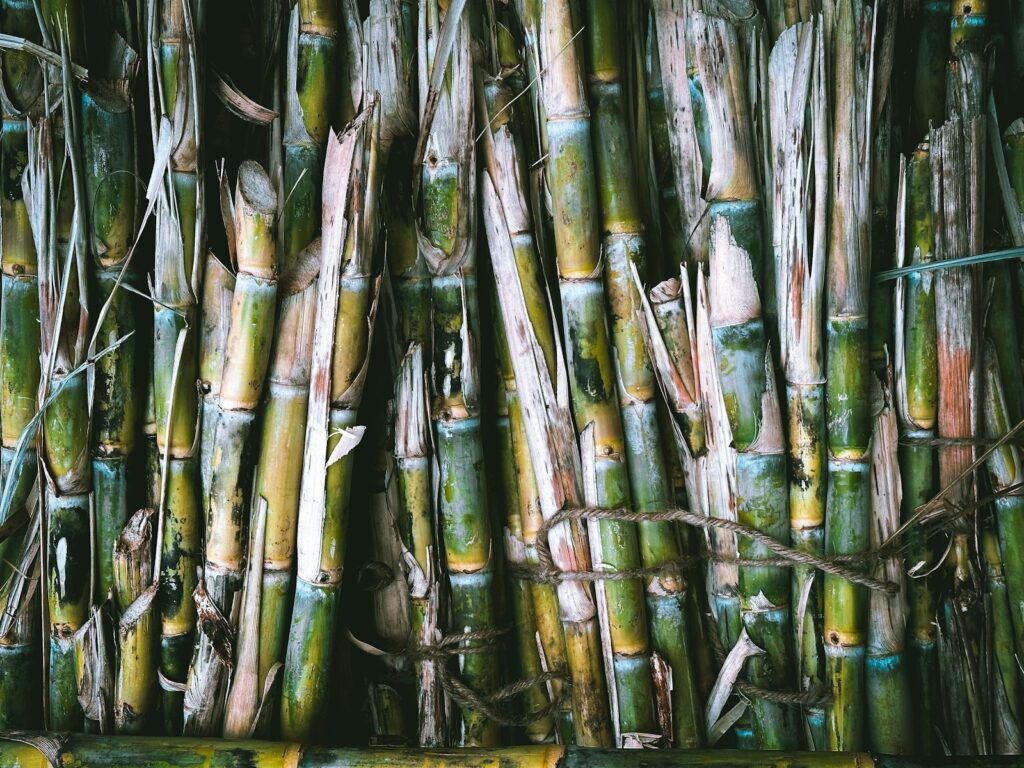
A few weeks after the crumble episode, I asked ten people around me a simple question: “What’s the difference between white and brown sugar?”
Eight of them answered without hesitation that brown sugar is “less processed” or “better for you”. One person added, with a knowing look, that it contains “lots more minerals”. Another said white sugar is “chemical” and brown sugar “natural”.
Then I told them both usually start life as the same juice pressed from cane or beets. That white sugar is crystallised and refined. That brown sugar is often just those same white crystals mixed with a little molasses. The room went quiet.
One friend stared at his coffee.
He’d been paying extra for brown sugar sachets at his favourite café for years.
So what actually happens between the field and your kitchen jar?
Sugarcane or sugar beet is crushed, and the juice is extracted, cleaned and boiled until crystals form. Those crystals are then spun in a centrifuge to separate them from the thick, dark syrup we call molasses. The more refining and washing the crystals go through, the whiter and purer they become.
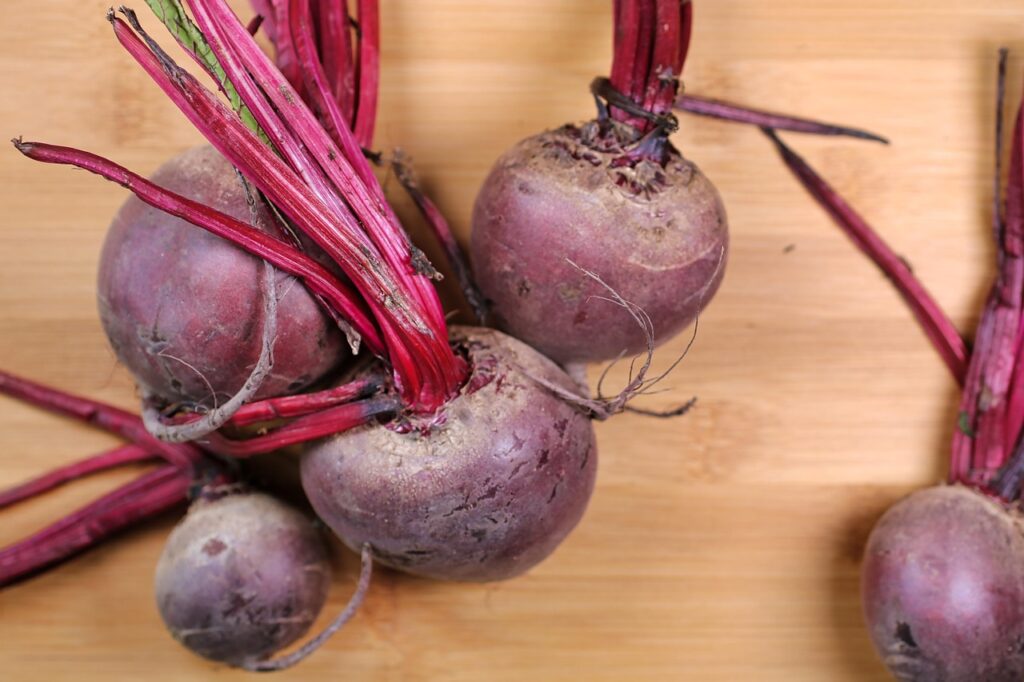 Brown sugar usually shows up in two ways. Either the crystallisation is stopped earlier so some molasses stays on the crystals, or fully refined white sugar is simply coated with molasses again. Technically speaking, both are still sucrose, just with different amounts of that sticky brown jacket.
So when we argue over white versus brown, we’re mostly arguing over a thin film of molasses.
How to really choose between white and brown sugar at home
If they come from the same plant, the real question becomes: when does each one actually earn its place in your kitchen?
Start with flavour. White sugar is neutral, clean, almost invisible in taste. Brown sugar brings caramel notes, a bit of bitterness, and moisture from the molasses. Think of white sugar as a blank canvas and brown sugar as a soft sepia filter.
For baking, that filter matters. Cookies made with brown sugar spread differently and come out chewier. Cakes can be denser and slightly darker. If you love gooey chocolate chip cookies or sticky gingerbread, brown sugar is your friend. If you need a light sponge cake or a crisp meringue, white sugar does the job better.
Same plant. Different personality in the oven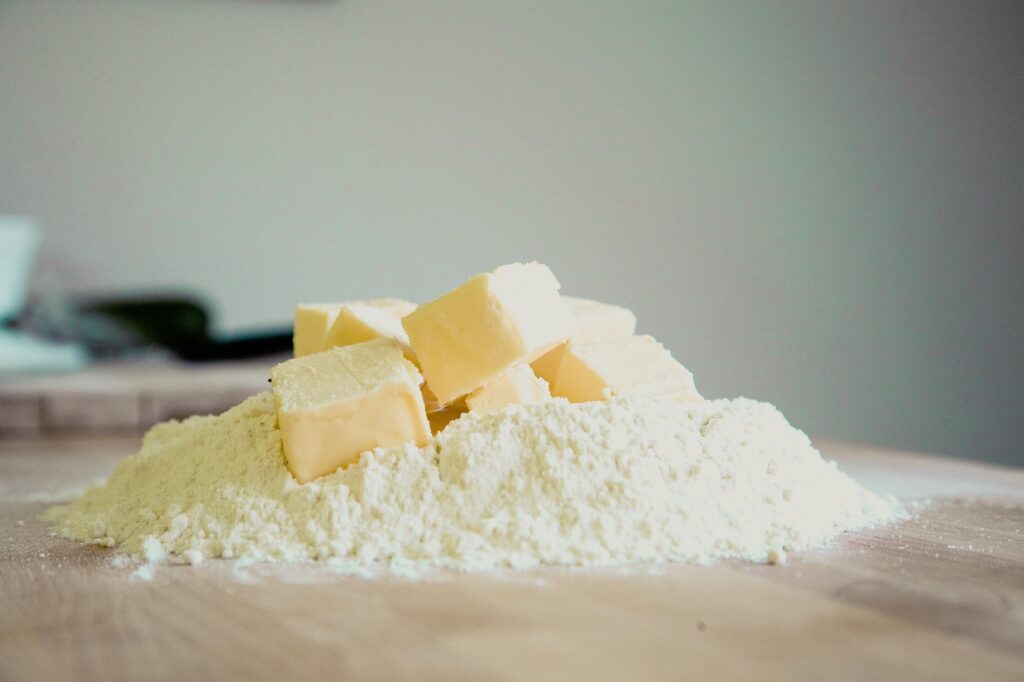
On the health front, the disappointment is real. Brown sugar does contain tiny amounts of minerals from the molasses — a whisper of calcium, potassium, iron. But we’re talking about such small quantities that they don’t change the picture. You’d need to eat a frankly absurd amount of sugar to get any meaningful benefit.
Let’s be honest: nobody really does this every single day while weighing their teaspoons on a kitchen scale.
We pour sugar into coffee half-asleep. We follow grandma’s cake recipe without questioning the 200 grams written in faded blue ink. We grab a muffin on the way to work and call it breakfast.
The real lever isn’t white versus brown.
It’s how often you reach for the sugar jar at all.
There’s also the emotional side, the one that quietly steers your hand toward one packet or another. Brown sugar looks less industrial, more homemade, almost comforting. It clumps, it smells like toffee, it feels like it belongs in your old enamel jar. White sugar, by contrast, looks clinical, sharp, a bit bossy.
*Sometimes we’re not buying ingredients, we’re buying stories.*
“People love the idea that a simple switch makes their everyday habits ‘healthier’,” says a nutritionist I spoke to. “But **white and brown sugar behave almost the same way in your body**. The smartest choice is learning where you can cut down, not which colour to sprinkle.”
- Use white sugar for meringues, light cakes, syrups and drinks where you don’t want extra flavour or colour.
- Pick brown sugar for cookies, crumbles, banana bread and recipes where a deeper, caramel taste and extra moisture are welcome.
- Store brown sugar in an airtight container with a small piece of apple or bread if it hardens, and break it up before baking.
- Watch “hidden sugars” in sauces, flavoured yogurts, cereals and drinks, not just in your sugar bowl.
- Experiment with reducing sugar by 10–20% in recipes; most of the time, nobody even notices.
Beyond the colour: what this tiny kitchen myth reveals about us
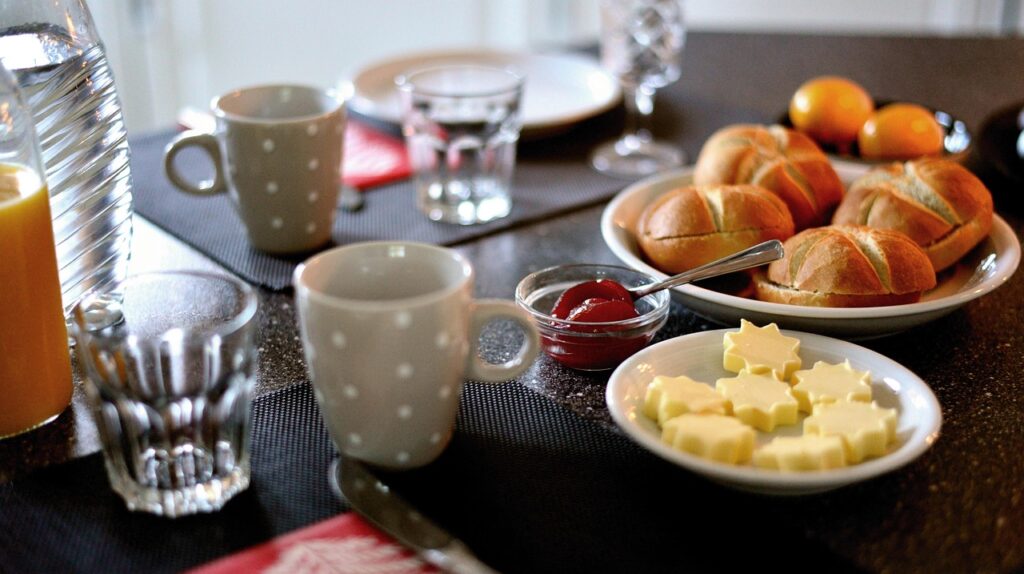 Once you’ve learned that white and brown sugar usually share the same origin, something shifts quietly in the background.
It’s not just about one ingredient.
It’s about the shortcuts our brains love when life is already overflowing with decisions. Light brown equals healthier. Dark packaging equals “authentic”. A few words on a label and we feel we’ve done our part.
We’ve all been there, that moment when you stand in the supermarket after a long day, phone buzzing, kids asking for snacks, and you just want to grab the “better” option and go home. In that moment, the story on the packet often wins over the boring reality of the plant it came from.
Maybe the lesson isn’t to obsess over every grain of sugar, but to get curious a little more often.
To flip the packet, to ask where something really comes from, to admit when we’ve been sweet-talked by clever branding.
Next time someone reaches for brown sugar with that smug, I’m-being-healthy look, you might smile and say nothing. Or you might tell them about a field of cane, a beet pulled from the earth, and a factory where both their sugars begin exactly the same way.
The small shock that follows can be strangely freeing.
If this tiny myth falls, what else in our cupboards are we ready to see more clearly?
| Key point | Detail | Value for the reader |
| Same plant origin | White and brown sugar typically come from sugarcane or sugar beet juice | Breaks the “brown is natural, white is chemical” myth |
| Processing and molasses | Brown sugar is either less refined or white sugar with molasses added back | Clarifies the real, limited difference between the two |
| Health and usage | Nutritional gap is tiny; flavour and texture matter more for cooking | Helps choose the right sugar for recipes and focus on overall intake |
FAQ
- Is brown sugar healthier than white sugar?Not really. Brown sugar has slightly more minerals thanks to the molasses, but the amounts are so small they don’t change its impact on your health. Both are mostly sucrose and should be eaten in moderation.
- Do white and brown sugar always come from the same plant?Most of the time, yes. Both usually come from sugarcane or sugar beet. The difference lies in how they’re processed and how much molasses they contain, not in the plant itself.
- Can I swap white sugar for brown sugar in recipes?Often you can, but the texture and flavour will change. Brown sugar adds moisture and a caramel taste, which can make cookies chewier and cakes denser and darker.
- Does brown sugar have fewer calories?The calorie difference between white and brown sugar is tiny, almost negligible in normal portions. They both provide roughly the same energy per teaspoon.
- What’s the best way to reduce my sugar without quitting it completely?Start with small steps: cut one teaspoon from hot drinks, reduce sugar in recipes by 10–20%, avoid sugary drinks, and watch labels on sauces, cereals and snacks. Tiny, consistent changes add up more than switching colours of sugar.
Original:https://www.vinylone.co.uk/20-177056-many-people-dont-realise-it-but-white-sugar-and-brown-sugar-come-from-the-exact-same-plant/