admin
admin 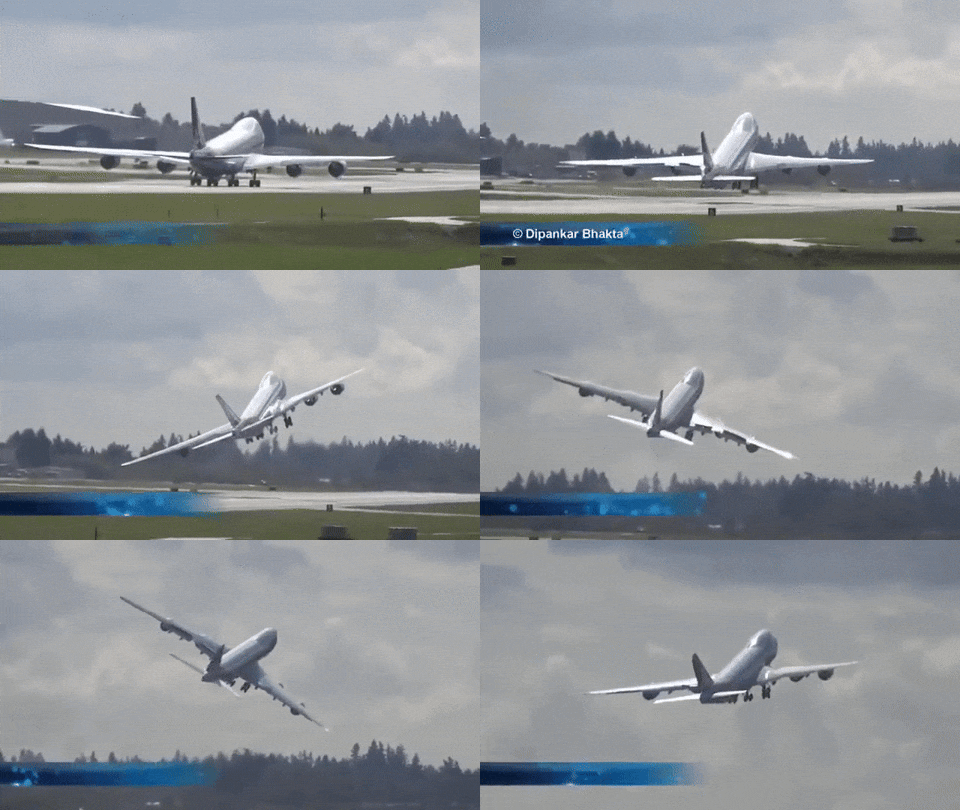
by Céline Deluzarche
Published on March 12, 2022 at 09:01
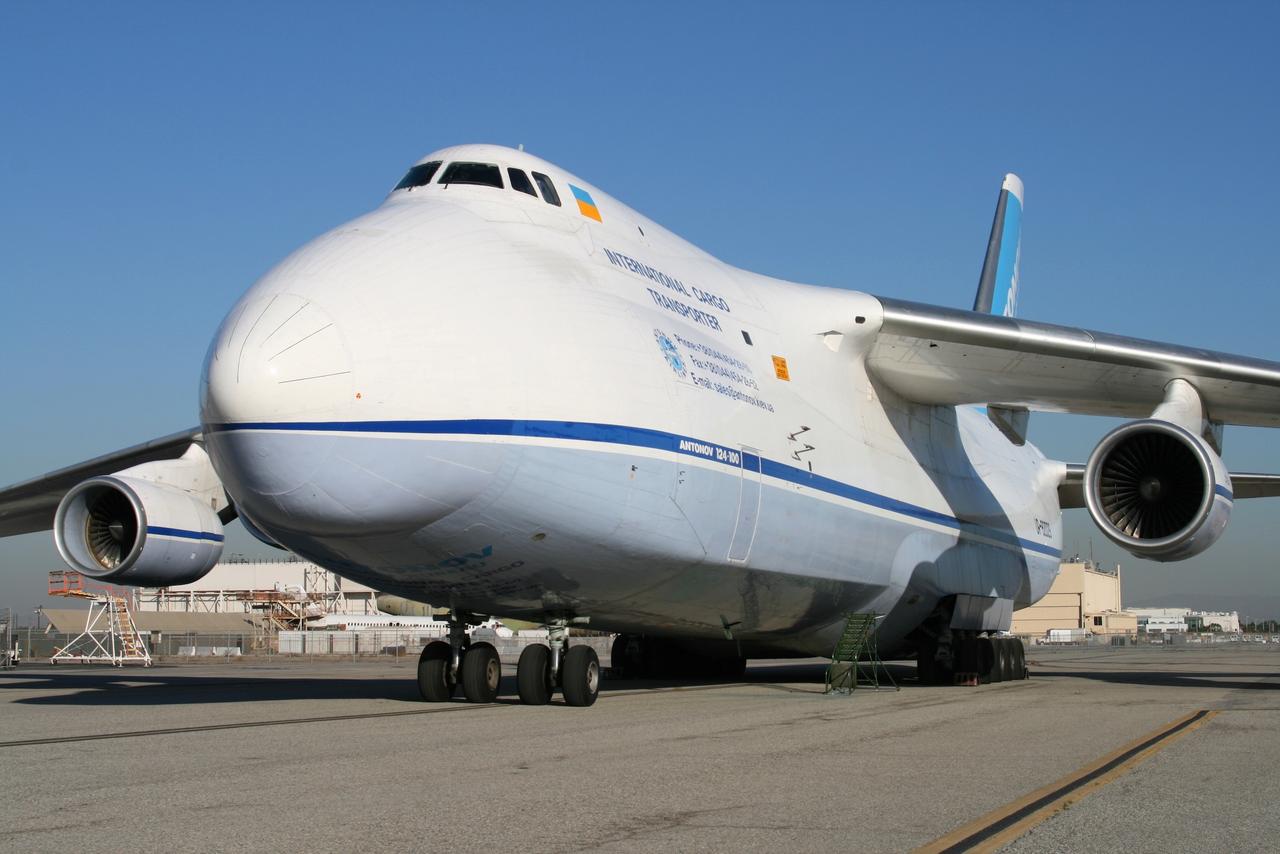 An Antonov An-124, the largest mass-produced cargo plane. © John Murphy, Flickr
They are the size of a football field, can hold three TGV Duplex trainsets, or carry 800 passengers: these giant aircraft have had varying degrees of success. Discover their extraordinary capabilities.
Whether civilian or military, these aircraft are extravagant and never go unnoticed. Some barely took off, while others were resounding commercial successes. In any case, they have left their mark on the history of aviation .
A380-800
Entering service in 2005, the A380 bowed out in February 2019 with the announcement of the end of its production. With a theoretical capacity of 850 passengers, it is the largest passenger aircraft in the world. In practice, however, none of the 234 aircraft currently in service carries more than 615 seats. The aircraft is so oversized (79.7 meters wingspan and 72.7 meters length) that several airports had to make modifications to accommodate it. Unfortunately, airlines have opted for smaller, more fuel-efficient aircraft, with more frequent shuttle flights.
- Length: 72.7 meters
- Wingspan: 79.5 meters
- First flight: 2005
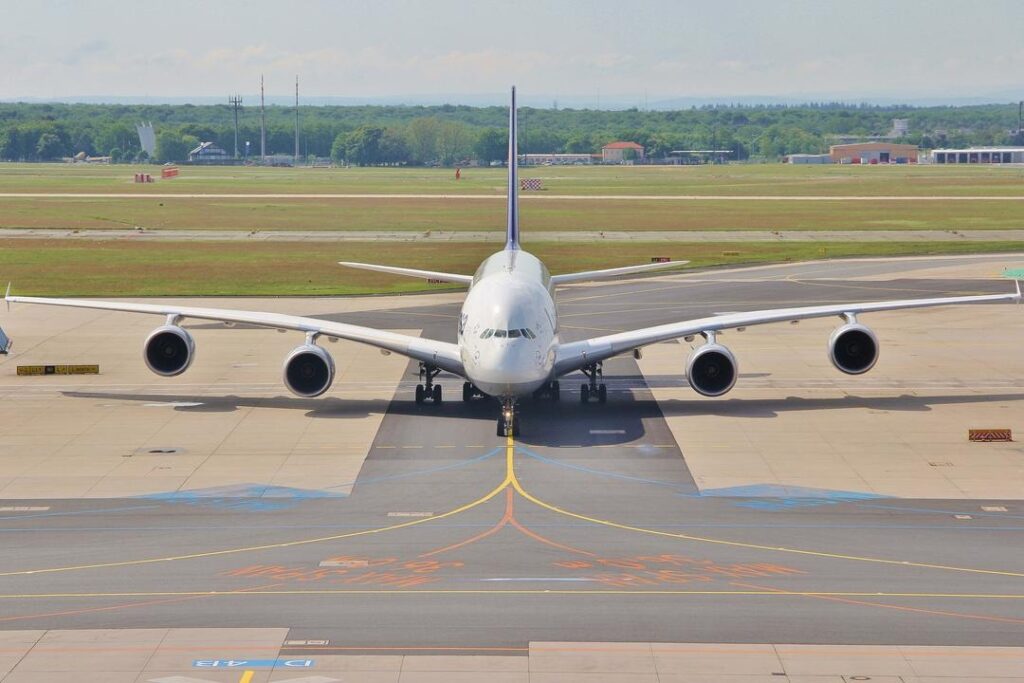
With a capacity of 850 passengers, the A380-800 is the largest passenger airliner. © Clemens Vasters, Flickr
Antonov An-225 Mriya
At 84 meters long, almost the length of a football field, the Antonov AN-225 Mriya is the longest and heaviest aircraft ever built. Designed in Ukraine when the country was still part of the USSR, it can carry 640 tons of cargo. Only one exists, operated by Antonov Airlines. It flies only once or twice a year to transport enormous equipment, such as the 187.5-ton generator it carried to Armenia in 2009, which was the heaviest piece of equipment ever transported by air. Discussions are reportedly underway with a Chinese company to restart production.
- Length: 84 meters
- Wingspan: 88.4 meters
- First flight: 1988
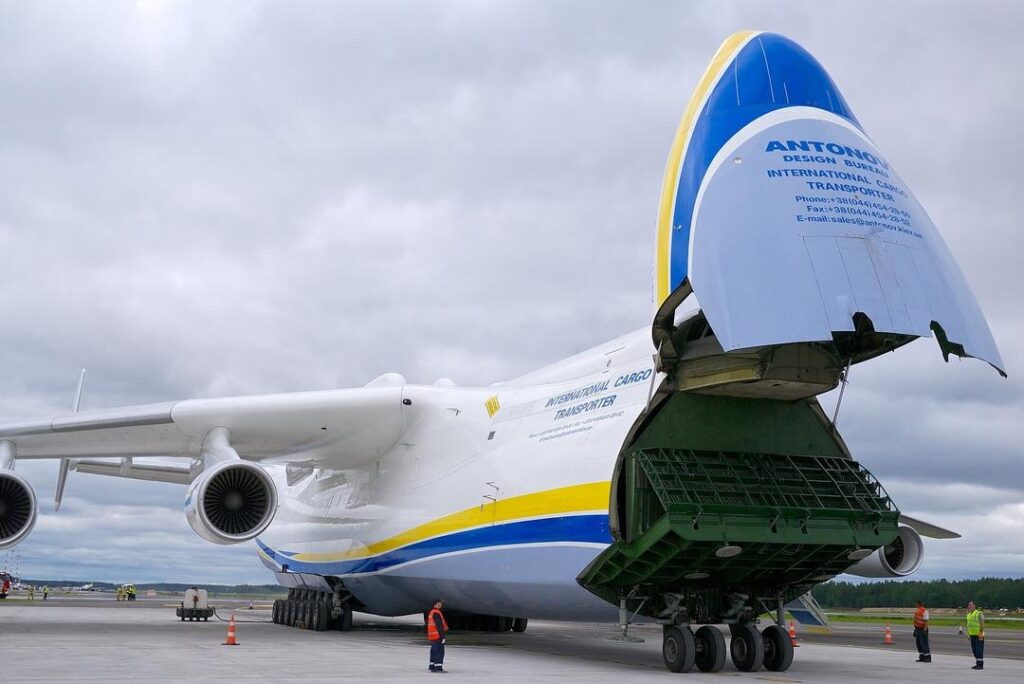
The Antonov AN 225, the largest cargo plane in the world, only exists in one copy. © Kārlis Dambrāns
Stratolaunch
With a wingspan of 117 meters, an empty weight of 230 tons, six Boeing 747 engines, and 28 wheels, the Stratolaunch is the largest airplane ever built. Designed and financed by billionaire Paul Allen, the co-founder ofMicrosoftThis gigantic twin-fuselage aircraft, which died in 2018, is designed to launch satellites into orbit. Presented as an alternative to conventional launch vehicles, it is currently only in the testing phase since its first rollout from its hangar in 2017. The company has promised a first launch ofrocketin low orbit for 2019.
- Length: 73 meters
- Wingspan: 117 meters
- First flight: 2019
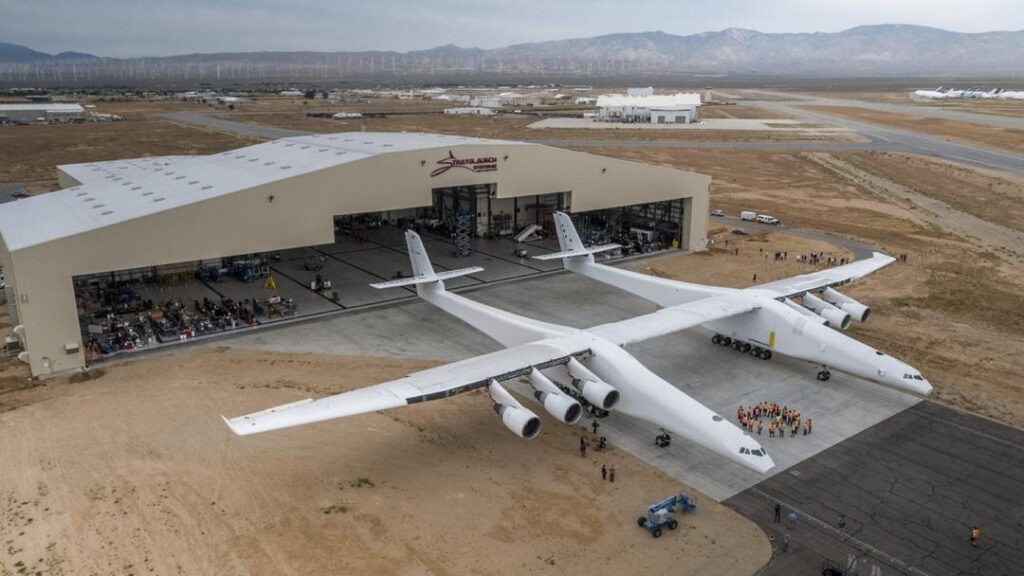
With its 117-meter wingspan, the Stratolaunch is an aircraft designed to launch rockets into low Earth orbit. © Stratolaunch
Hughes H-4 Hercules (Spruce Goose)
Until the Stratolaunch takes flight, the Hughes H-4 Hercules remains the largest aircraft ever to have flown, with a wingspan of 97.50 meters and a height of 24 meters. Well, almost: thisseaplaneThe military transport aircraft only took off once in 1947 and remained there.airthat was one minute at 21 meters above the water. Clearly underpowered, the ” Spruce Goose ” (thegoose(made of spruce) had been built entirely ofdrinkdue to wartime rationing of strategic materials. The only remaining example is now located at the Evergreen Aviation Museum in McMinnville, Oregon (USA).
- Length: 66.6 meters
- Wingspan: 97.5 meters
- First flight: 1947

The Hughes H-4 Hercules, nicknamed “the spruce goose”, only flew (briefly) once.
McDonnell Douglas KC-10 Extender
Designed in the 1970s after the Vietnam War, the KC-10 Extender is the aircraft with the largest payload capacityfuelIts six gigantic fuel tanks can hold a maximum capacity of 200,000 liters of fuel. It is designed to refuel transport aircraft, bombers, or tactical fighters. The KC-10 was used, in particular, during the Gulf War in 1991 and in Kosovo in 1999. Around sixty are currently in service, two of which belong to the Royal Netherlands Air Force, while the others are owned by the US Air Force.
- Length: 55.3 meters
- Wingspan: 50 meters
- First flight: 1981
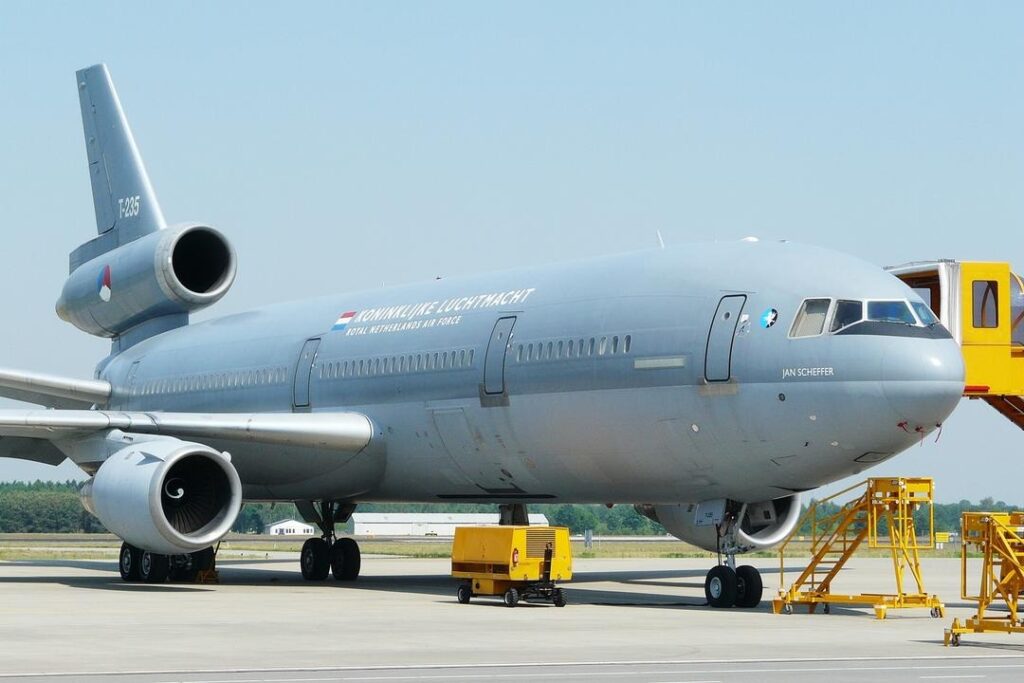
The McDonnell Douglas KC-10 Extender is the tanker with the largest capacity. © Neuwieser, Flickr
Tupolev Tu-160 (White Swan)
From onemassAt takeoff weight reaching 275 tonnes, the Tupolev Tu-160 (also nicknamed “White Swan”) displays aspeedmaximum speed of over 2,000 km/h and can carry up to 40 tonnes of weaponry (missilescruise missiles, nuclear warheads…). Put into service in 1987 during the Cold War, this Russian bomber is the most powerful combat aircraft in the world and possesses aautonomywith a range of up to 18,000 km with in-flight refueling. It’s far from finished: a brand new version with state-of-the-art engines, defense and communication systems is currently in production.
- Length: 73 meters
- Wingspan: 117 meters
- First flight: 2019
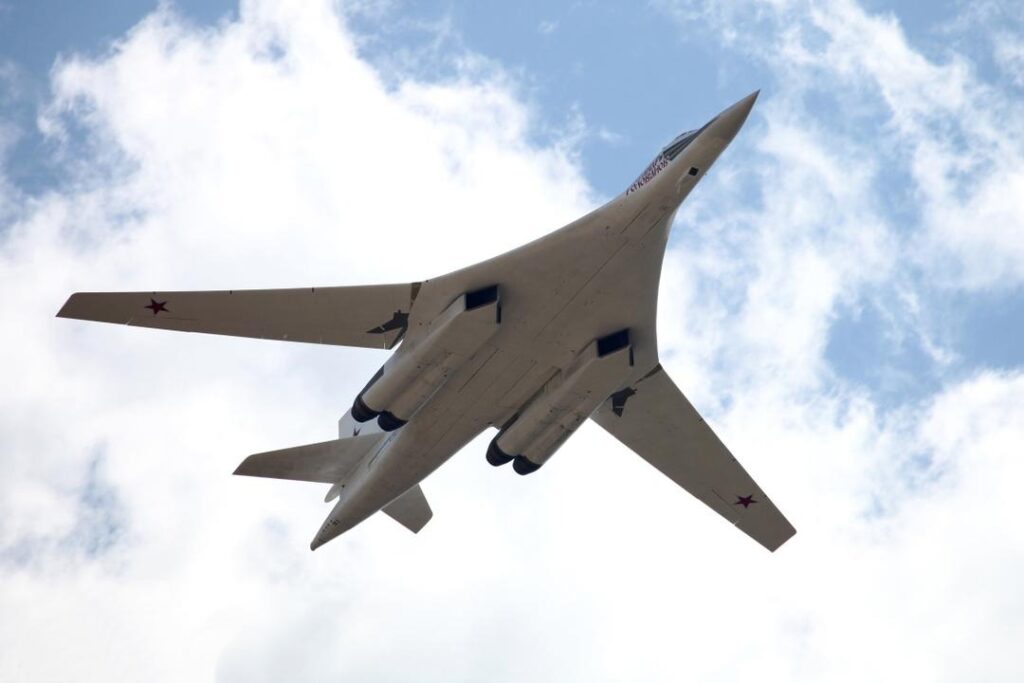
With its variable-sweep wings, the Tu-160 is the heaviest and most powerful fighter jet ever built. © imgur
Boeing 747-8
Although surpassed by the A380-800 in terms of capacity, the Boeing 747-8 remains the world’s longest airliner at 76.3 meters. This wide-body aircraft, designed for long-haul flights, is the fifth version of the 747, which has reigned supreme in the skies for 50 years with over 1,570 aircraft delivered. The 747-8 accommodates 410 passengers and consumes 16% less fuel than its predecessor, the 747-400, thanks to its new engines, wings , and extended fuselage. The 747-8 is also available in a cargo version, with a payload capacity of 140 tons and a range of 8,130 km.
- Length: 76.3 meters
- Wingspan: 68.4 meters
- First flight: 2010 (B747-8F version)
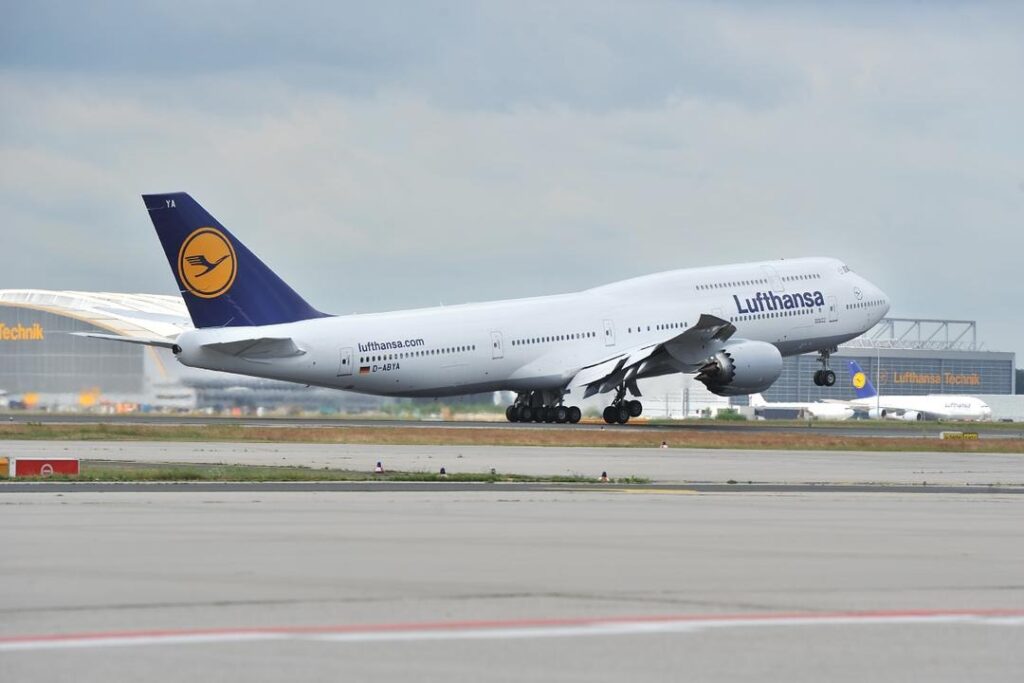
The Boeing 747-8 is the longest passenger aircraft in the world. © Boeing
Antonov An-124 (Condor)
With a cargo capacity of 120 tons over a distance of 5,400 km, the Antonov An-124 is the world’s largest mass-produced civilian and military transport aircraft. Nicknamed “Condor” by NATO, it can transport oversized loads such as locomotives, cranes, satellites, ships… and even aobeliskEthiopian, in 2005. The French army itself uses it from time to time. Designed in the 1980s, the four-engine jet has been modernized several times and can be loaded by thenoseor from the rear using special loading ramps.
- Length: 68.9 meters
- Wingspan: 73.3 meters
- First flight: 1982
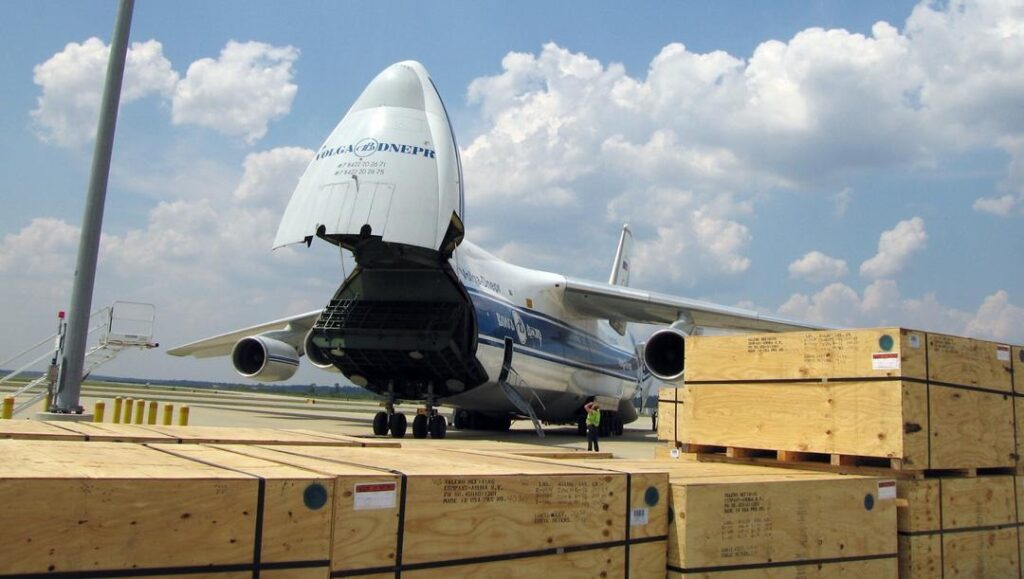
The Antonov An-124 can carry loads up to 43 meters long and 4.4 meters wide. © M&R Glasgow, Flickr
Original:https://www.futura-sciences.com/sciences/questions-reponses/avion-aviation-8-plus-gros-avions-jamais-construits-10874/