Cycling tourism: France aims for the top spot in the world. Here’s what could speed things up.
 admin
admin 
by Thibault Caudron
reviewed by Xavier Demeersman
Published on December 6, 2025 at 10:03 AM
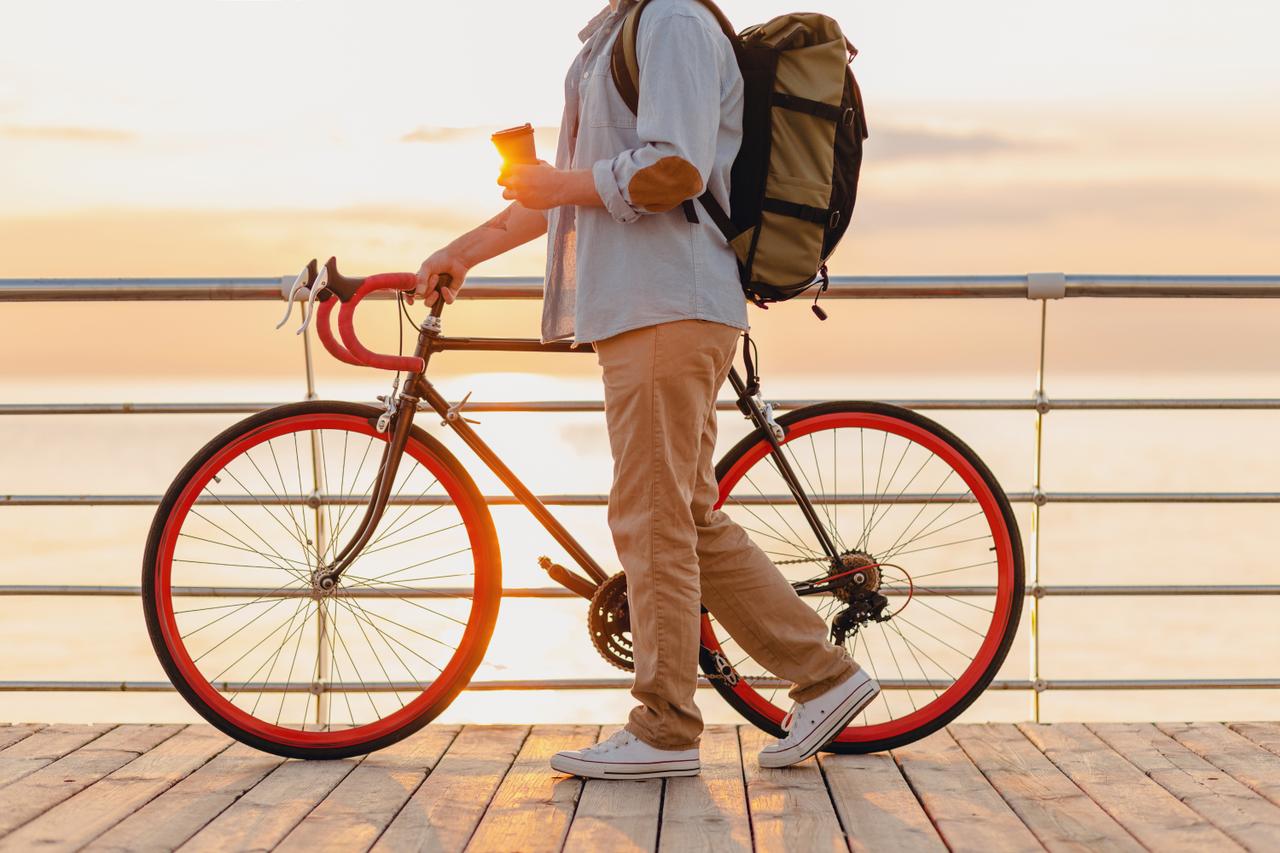 France now hosts over 9 million cycling holidays per year and attracts 20% of its cycling tourists from abroad. © Freepik
In the land of the Tour de France , many beautiful getaways are offered to travellers in search of meaning, freedom and more sustainable tourism.
Since 2023, theapplication La Trace aims to democratize the growing practice of bicycle touring. It offers day trips, multi-day expeditions, and short nature explorations, suitable for beginners as well as experienced cyclists, on quiet and safe roads.
Each route tells a story: a region to discover, a valley to explore, a forest to cross, a coastline to follow, featuring the 12,000 best points of interest listed to date. La Trace is part of the slow tourism trend, which was also at the heart of a campaign designed to promote France as an international destination .

Slow tourism was at the heart of Atout France’s campaign. ©Atout France
The rise of cycle touring in France
Long associated with a niche practice, theroamingCycling has become one of the most dynamic forms of tourism in the country in just a few years. With approximately 22 million French people declaring that they cycle during their holidays, more than hiking, and more than 9 million cycling holidays each year, France has established itself as the second most popular cycling tourism destination in the world.
Therehealth crisishas only amplified this trend. Between 2016 and 2020, the number of cyclists using cycle routes and greenways increased by 15%. In 2020, traffic grew by 28% compared to 2019, excluding lockdown periods, with 52% of French people declaring themselves more attracted to cycle tourism than before the crisis.
A sector that is structuring itself
This success is theconjunctionseveral factors such as the desire to slow down, ofto travelclose to home, or choosing more sustainable modes of transport. Public authorities and stakeholders in cycle tourism have also mobilized in recent years. A national network of cycle routes and greenways, complemented by regional cycle loops, has been established to encourage the growth of cycle tourism.
In six years, the national network of cycle paths has thus doubled to now reach 26,100 kilometers, of which 70% are for leisure purposes; 5,500 kilometers of regional tourist routes and 3,000 road and mountain bike circuits (135,000 km) complete this national scheme.
Some routes have even gained international renown, such as the Vélodyssée (Atlantic coast), the Loire à Vélo (Loire Valley), and the Via Rhona, which showcase the region’s rich geographical, cultural, and heritage heritage. France is also crossed by ten European cycle routes created as part of the EuroVelo network.
France, the world’s leading destination for cycle tourism by 2030
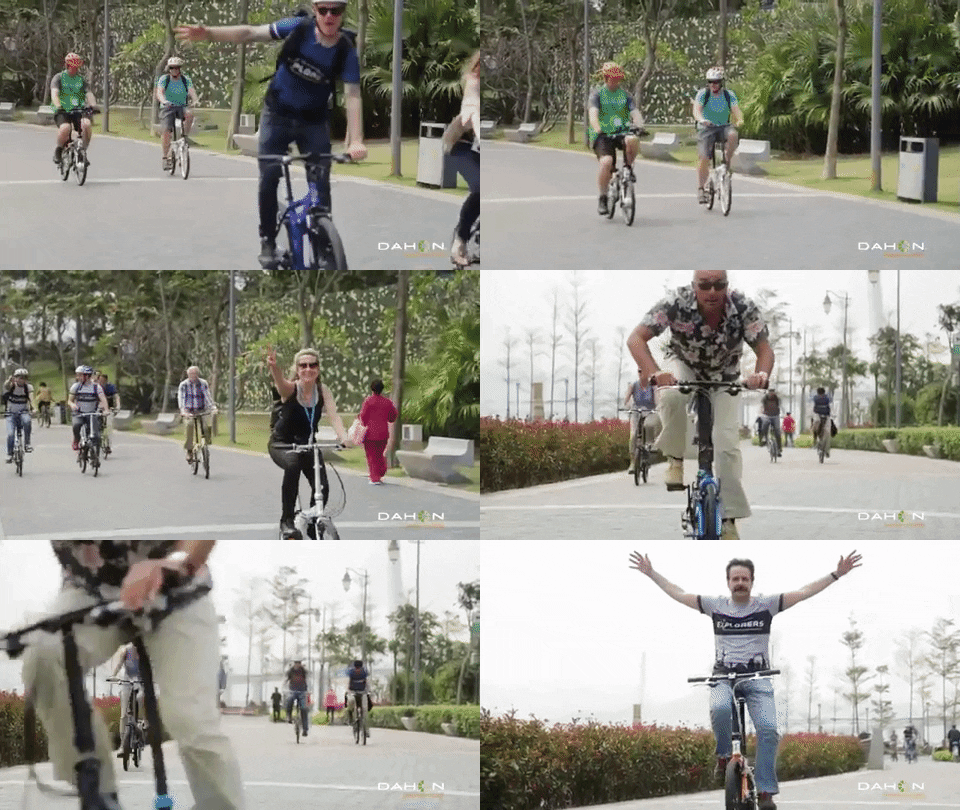 With over 26,000 kilometers of developed cycle paths, France has a clear ambition: to become the world’s leading destination for cycle touring by 2030. The country has many advantages to achieve this, such as the rise of electric bikes , which is helping to democratize cycle touring, and also the Tour de France , a showcase for tourism followed each year by 3.5 billion viewers worldwide.
One major challenge remains: improving access to cycle touring. Some regions still lack continuous infrastructure or services adapted to cycling enthusiasts. For cycling to become a truly mainstream holiday option, development efforts must continue.
This is why cycle tourism plays a significant role in the Destination France plan , which allocates €40 million to developing the cycling network in order to provide optimal conditions for cycle tourists. By 2030, some 20,000 service providers will need to be certified with the Accueil Vélo (Cyclist Welcome) label , compared to 8,000 currently, offering tailored accommodation, catering, or repair services.
Original:https://www.futura-sciences.com/tech/actualites/jeunes-pousses-cyclotourisme-france-vise-premiere-place-mondiale-voici-ce-pourrait-tout-accelerer-128154/