admin
admin 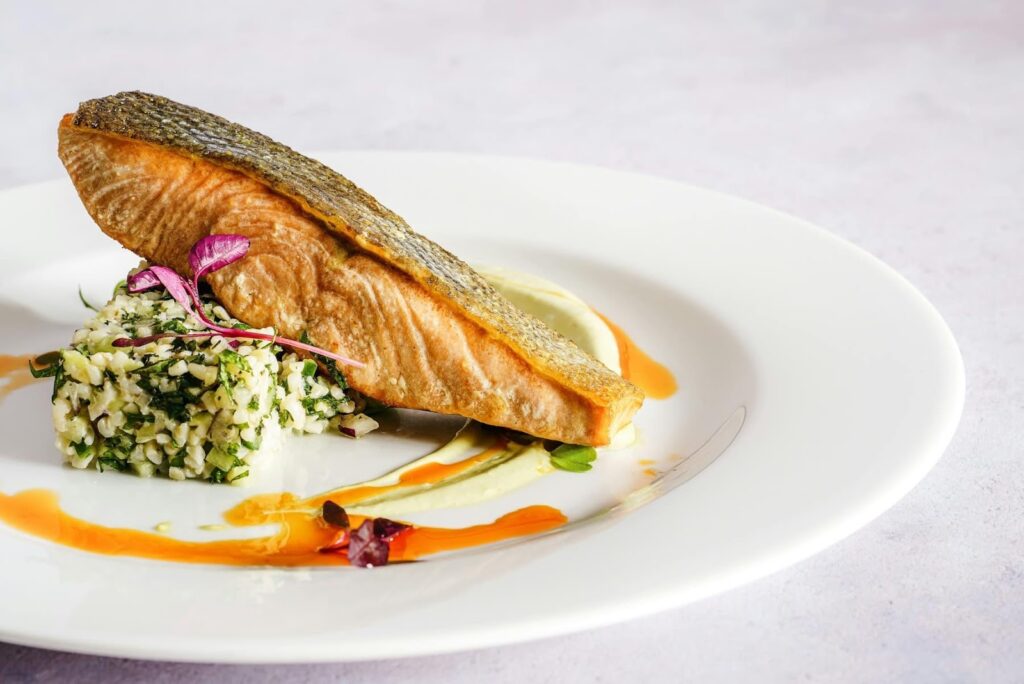
By Victoria HM
Published on: October 30, 2025 at 5:04 P
Fish is a fundamental food in healthy diets due to its high nutritional value and numerous health benefits. Unlike other sources of animal protein, fish provides unsaturated fats, especially omega-3 fatty acids (EPA and DHA), essential for the proper functioning of the heart, brain, and immune system
In addition, it is an excellent source of high-quality protein, B vitamins—such as B12 and niacin—as well as important minerals such as iodine, selenium, phosphorus, and calcium.
That’s why nutrition specialists recommend eating fish at least two or three times a week , alternating between lean varieties, such as hake or cod, and oily fish, such as salmon, sardines, or tuna. Oily fish, although fattier, is the richest in omega-3 fatty acids, a type of fat that helps lower “bad” cholesterol (LDL), raise “good” cholesterol (HDL), and reduce the risk of cardiovascular disease.
Eat fish: your health will thank you
 A ten-point plan drawn up by experts convened by the Interfish interprofessional fishing organization confirms that fish is an “essential component” of a balanced and healthy diet, and maintains that the selenium it contains acts as a protective factor against methylmercury, its main contaminant, which is why they have urged a review of the recommendations on consumption.
The document, which was presented at a press conference in Vigo and later shared at a symposium, highlights the relationship between fish consumption, health and sustainability.
Experts have pointed out that, although fish consumption is key throughout life, “special attention” should be paid to childhood because “a healthy child is a healthy adult with a high quality of life .”
Titled ‘Position Statement on the Role of Fish in Health and Sustainability’, the ten-point manifesto is signed by leading experts in nutrition, pediatrics, cardiology, geriatrics, and sustainability. According to Interfish, this is the first scientifically based manifesto on the benefits of fish consumption throughout a person’s life, developed using scientific evidence.
The document argues that fish is an essential component of a balanced diet, a source of high-quality protein, vitamins, minerals, and omega-3 fatty acids. It points out that, during pregnancy and breastfeeding, its consumption improves the neurological development of the fetus and infant thanks to docosahexaenoic acid (DHA).
It also points out that, in childhood , it helps to plan for better future health and therefore should be encouraged by families and schools.
The ten-point plan states that fish prevents chronic diseases ( cardiovascular, oncological, and neurological ) when it is part of a healthy diet. It also promotes active and healthy aging, contributing to maintaining muscle mass, cognitive function, and reduced frailty.
Fish, they point out, is a sustainable food when it comes from fleets and aquaculture that meet international environmental and social criteria. The experts gathered by Interfish state that the benefits of fish far outweigh the potential risks from contaminants and recommend consuming a variety of species and following official guidelines.
They urge a review of the recommendations
They also emphasize that the selenium in fish acts as a protective factor against methylmercury , its main contaminant. In this regard, they consider a review of the recommendations urgent, taking into account current scientific evidence.
The ten-point plan specifies that it is necessary to update consumption recommendations for vulnerable groups such as pregnant women, breastfeeding mothers, and children, in light of the most recent evidence. Experts advise 3 to 4 servings per week and combining oily and white fish at all stages of life.
The full document analyzes the role of fish in each life stage (pregnancy and breastfeeding, childhood, adolescence, adulthood and aging) because the beneficial effects of fish accompany humans from gestation to maturity
The expert group was composed of Rosaura Leis, president of the Spanish Nutrition Foundation (FEN) and tenured professor of Pediatrics at the University of Santiago de Compostela; Ángel Gil, professor of Biochemistry and Molecular Biology at the University of Granada and president of the Ibero-American Nutrition Foundation (FINUT); and Elvira Larqué, professor of Physiology at the University of Murcia.
Alongside them are Guillermo Aldama, cardiologist at the University Hospital of A Coruña (CHUAC); Federico Cuesta, medical director of the San Juan de Dios Hospital in León and a specialist in Geriatrics; and Gumersindo Feijoo, professor of Chemical Engineering at the University of Santiago de Compostela and a leading figure in environmental sustainability and the circular economy.
From Interfish, Juana Parada has warned of the decline in fish consumption in Spain and has advocated for “working seriously” in this area and “strengthening the link between consumers, science and the sea” 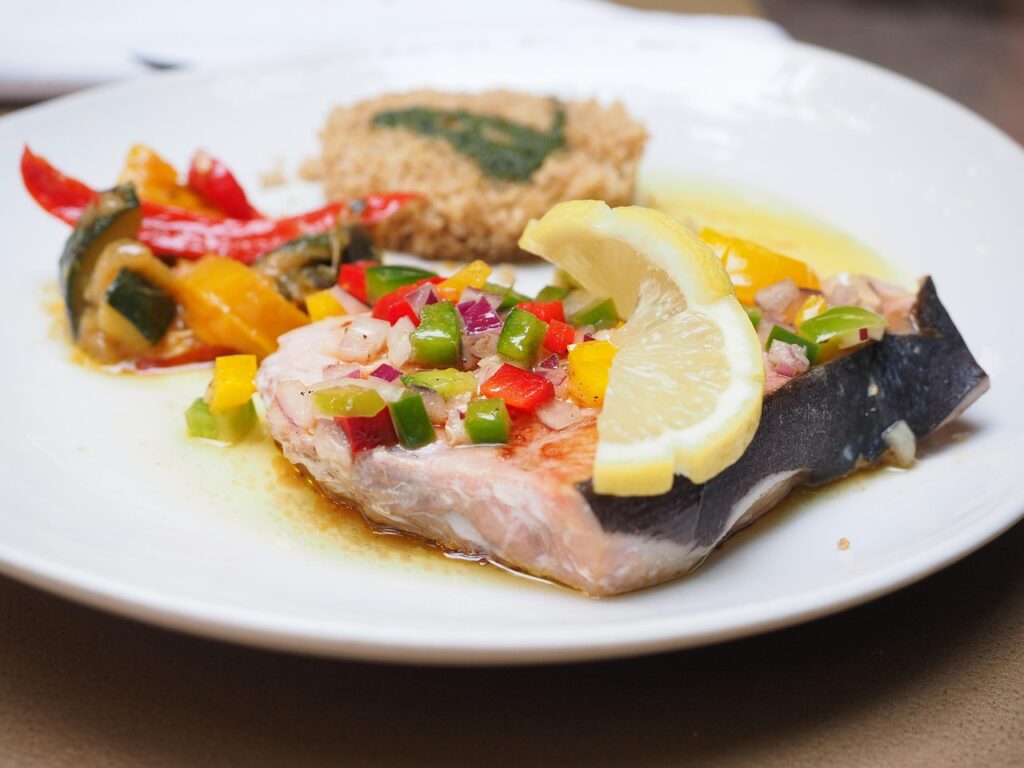
Fish is also notable for its culinary versatility and easy digestibility, making it an ideal food for all types of diets, including low-calorie diets. Incorporating it in a balanced way not only improves individual health but also promotes sustainable eating habits , provided it comes from responsible fishing or certified aquaculture .
In short, fish is an essential part of a balanced and preventative diet. However, it is recommended to moderate the consumption of species with high mercury content , such as swordfish or bluefin tuna, especially for children.
Original:https://www.ecoticias.com/vida-saludable/pescado-muy-necesario-dietas-saludables