At 70 I’m living the life I’ve always dreamed of—it’s thanks to these 7 things I did in my 60s
 admin
admin 
Remember that retirement party where everyone kept asking “So what are you going to do now?”
by Farley Ledgerwood | January 27, 2026, 1:45 am
I used to dread that question. At 62, after being pushed into early retirement when my company downsized, I honestly had no clue. The first few weeks were rough. I’d wake up at my usual 6 AM, put on business casual out of habit, then realize I had nowhere to go.
Fast forward eight years, and I’m writing this from my back porch, Lottie snoring at my feet after our morning walk, feeling more alive than I did during my entire career.
My 60s turned out to be the decade that set up everything I’d unknowingly been working toward. Looking back, there were seven specific things I did that transformed those uncertain years into the foundation for the life I’m living now.
1. I stopped treating my body like it was indestructible
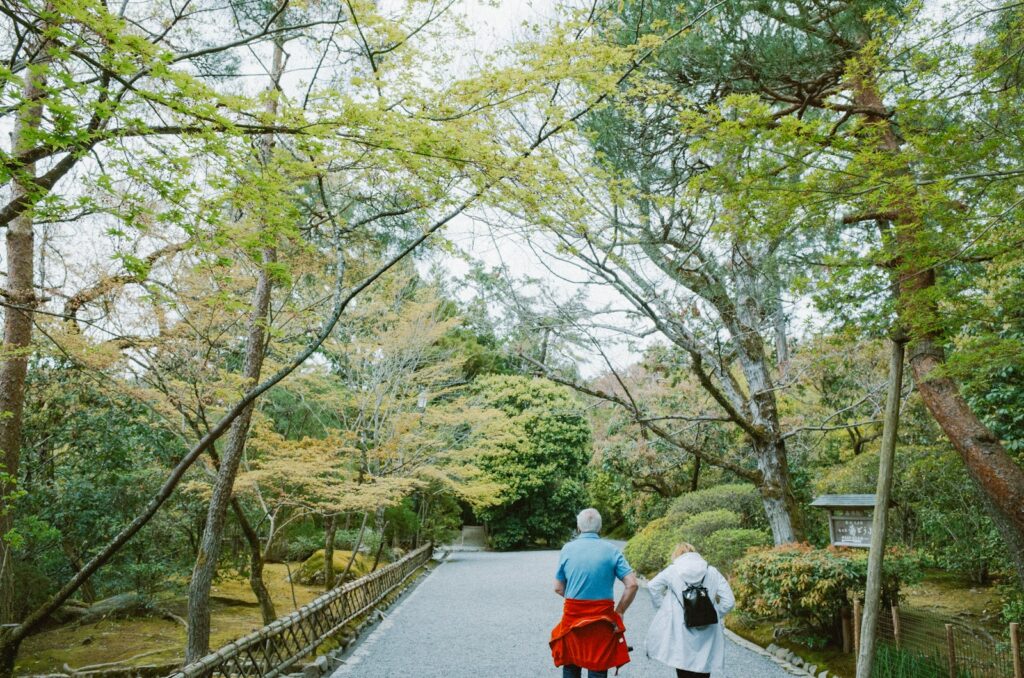 When you have a heart scare at 58, even a minor one, it changes things. The doctor called it a “wake-up call,” which felt like medical speak for “you got lucky this time, buddy.” That experience forced me to realize I’d been running on autopilot for decades, treating my body like a rental car I never had to return.
The shift wasn’t dramatic. No extreme diets or marathon training. Instead, I started with small, sustainable changes. Morning walks became non-negotiable. Rain or shine, 6:30 AM, Lottie and I hit the neighborhood streets. What started as doctor’s orders became my favorite part of the day. There’s something about moving your body before the world wakes up that sets the tone for everything else.
I also finally listened to all that advice about Mediterranean diets and cutting back on red meat. Turns out, feeling good in your body at 70 beats any steak dinner at 50.
2. I learned something completely new
 Ever try learning a new language at 61? I did, and let me tell you, my brain felt like a rusty engine trying to turn over on a cold morning. Spanish had always been on that “someday” list, but when my daughter married into a Spanish-speaking family, someday became now.
The first family dinner where I stumbled through “Por favor” and “Gracias” was embarrassing. But you know what? Nobody cared that I sounded like a toddler. They cared that I was trying. Now, I can hold actual conversations with my son-in-law’s parents. More importantly, my grandkids think I’m the coolest abuelo around.
Learning Spanish rewired something in my brain. It proved I wasn’t done growing, that my 60s weren’t about winding down but gearing up for something new.
3. I redefined what success meant
 Do you know how much mental space opens up when you stop chasing promotions and corner offices? After decades of measuring success by salary increases and job titles, retirement forced me to find new metrics.
Success became having all five grandkids over for Sunday dinner without anyone having a meltdown (theirs or mine). It meant finally reading those books that had been gathering dust for years. It meant having a conversation with my wife without checking my phone every five minutes.
This shift didn’t happen overnight. Those first months of retirement, I felt useless without deadlines and meetings. But gradually, I realized I’d been confusing busy with important. Now, success means having the energy to play catch with my 8-year-old grandson and the patience to help my 14-year-old granddaughter with her math homework.
4. I invested in relationships like they were my retirement fund
 Here’s something nobody tells you about getting older: friendships don’t maintain themselves. After retirement, without the forced interaction of work, relationships can wither faster than houseplants in a heatwave.
So I became intentional about it. I started a monthly poker game with old colleagues. I joined a hiking group. I actually started calling friends instead of just thinking about calling them. When someone said “we should get together sometime,” I’d pull out my calendar right there and schedule it.
With family, I stopped being the guy who just showed up. I became the grandfather who knew which grandkid loved dinosaurs and which one was obsessed with Taylor Swift. I learned their friends’ names, their teachers’ names, their fears and dreams. These investments paid dividends I’m still collecting at 70.
5. I confronted my relationship with money
 “How much is enough?” That question haunted my early 60s. After a lifetime of saving for retirement, actually spending that money felt wrong, almost reckless. There’s this weird psychology around touching your nest egg, like you’re betraying your younger self who sacrificed so much to build it.
But hoarding money for a tomorrow that might never come is its own kind of poverty. So I found a balance. Yes, I needed to be smart about making money last, but I also needed to actually live. That meant saying yes to the trip to see old friends, buying the good coffee, and getting the comfortable shoes instead of the cheap ones.
Money became a tool instead of a scorecard. Once I stopped trying to die with the most money in the bank, I started living with more joy in my days.
6. I created structure without the straightjacket
 Retirement can feel like summer vacation on steroids. Sounds great until day 47 when you realize you’re still in your pajamas at 2 PM watching your third consecutive episode of some show you don’t even like.
Structure became my friend, but not the rigid kind from my working years. I created anchors for my day. Morning walk with Lottie. Coffee and newspaper (yes, actual newspaper) by 8. Spanish practice after lunch. These weren’t rules, they were rhythms.
Having structure gave me something to push against when I wanted to be spontaneous. Weird how that works, right? The framework made freedom feel more free, not less.
7. I started sharing what I learned
 This might sound self-serving coming from someone literally writing an article right now, but hear me out. Sharing knowledge and experience isn’t about preaching or pretending to have all the answers. It’s about connection.
Whether it was teaching my grandson to tie fishing flies or writing about personal development (like in my previous post about finding purpose after 60), sharing what I’d learned gave my experiences meaning beyond just me. Every story shared, every skill taught, every bit of wisdom passed on became a bridge between my past and someone else’s future.
Final thoughts
At 70, I wake up excited about the day ahead. Not every day is perfect. My knees complain, I forget names more often, and technology still regularly defeats me. But the foundation I built in my 60s, these seven pillars, they hold steady.
The dream life isn’t about luxury or leisure. It’s about purpose, connection, and the deep satisfaction of knowing you’re exactly where you’re supposed to be. Your 60s aren’t the beginning of the end. They’re the beginning of finally getting it right.
Original:https://geediting.com/k-bt-at-70-im-living-the-life-im-always-dreamed-of-its-thanks-to-these-7-things-i-did-in-my-60s/