If you type “haha” or “LOL” when you didn’t actually laugh, psychology says you display these 7 distinct personality traits
 admin
admin 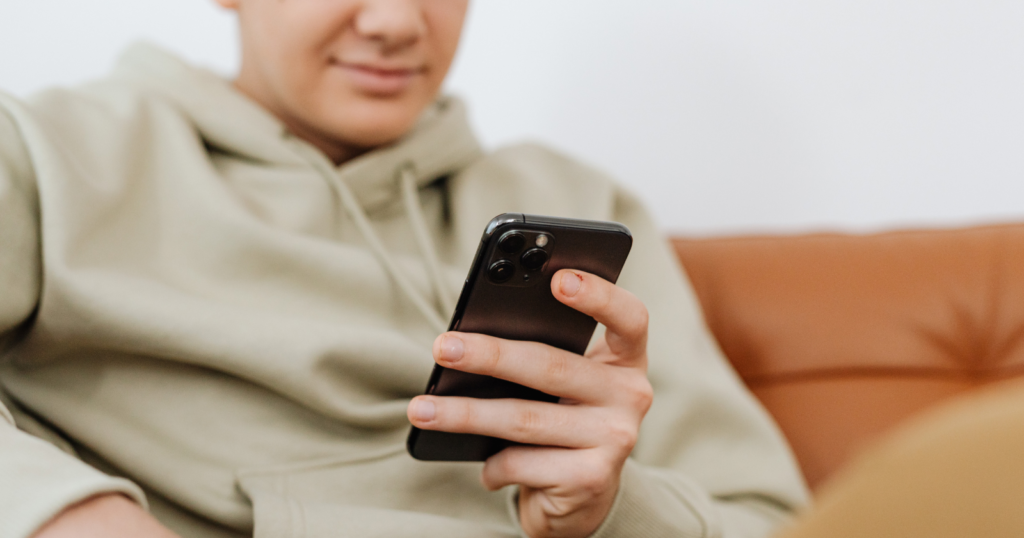
I’ll admit it. I’ve done it more times than I can count.
by Farley Ledgerwood | January 27, 2026, 9:00 am
Someone sends a message that’s mildly amusing, and without even cracking a smile, my thumbs tap out “haha” or “LOL” before I’ve had a chance to think about it. No actual laughter involved. Just those three letters sent out into the digital universe like a reflex.
It turns out this little habit is incredibly common. Research from Facebook found that about 15% of people who posted during any given week used some form of digital laughter, with “haha” being the most popular choice. But here’s the thing: most of us aren’t actually laughing when we type these responses. We’re doing something else entirely.
As linguist John McWhorter put it, “LOL no longer means anything. Rather, it does something.” It conveys attitude, eases tension, and signals connection, all without requiring genuine amusement.
So what does this reflexive digital laughter reveal about the person typing it? Psychology has some fascinating answers. Here are seven personality traits commonly associated with people who sprinkle “haha” and “LOL” throughout their messages without actually laughing.
1) They have a strong desire to be liked
 Let’s start with the most fundamental one.
People who frequently use digital laughter as a social lubricant often have a deep-seated need for approval. According to Psychology Today, seeking approval and validation from others is a hallmark trait of people-pleasers. These individuals want assurance that they matter to the people around them.
Typing “LOL” when something isn’t particularly funny serves as a way to keep the conversational atmosphere light and positive. It signals agreement, engagement, and warmth, all of which help maintain social harmony.
I’ve noticed this pattern in my own communication over the years. Back during my insurance career, emails with colleagues often included these little digital nods even when nothing amusing was being discussed. It was a way of saying, “We’re on the same team here.”
The habit isn’t necessarily problematic. But when it becomes constant and automatic, it might indicate someone who relies heavily on external validation to feel secure in their relationships.
2) They’re skilled at reading social cues
Here’s a more positive angle.
People who deploy “haha” and “LOL” strategically, even without genuine laughter, often possess strong social awareness. They understand that digital communication lacks the nonverbal signals we rely on in face-to-face conversations, and they compensate accordingly.
Daniel Goleman’s work on emotional intelligence highlights that social awareness involves recognizing and interpreting the needs of others, even when those needs aren’t explicitly stated. In text-based communication, adding “haha” or “LOL” helps clarify tone and prevents misunderstandings.
Think about how easily a straightforward message can come across as cold or curt without some form of warmth injected into it. Emotionally intelligent communicators recognize this gap and fill it proactively.
My wife pointed this out to me years ago. “Your texts sound serious even when you’re not being serious,” she said. Since then, I’ve become more intentional about adding those small signals that soften the edges of my words.
3) They tend to avoid conflict
 Do you know someone who types “LOL” at the end of statements that could potentially be controversial or uncomfortable?
This is often a defense mechanism. By adding digital laughter, the sender creates plausible deniability. If the recipient takes offense, they can fall back on the idea that they were just joking around.
Research on approach-avoidance conflict shows that conflict avoidance is associated with increased social anxiety and loneliness. People who chronically avoid confrontation often develop communication patterns designed to smooth over potential friction before it even develops.
As I covered in a previous post, I spent much of my career learning to navigate difficult conversations. It took me years to realize that sometimes the “LOL” at the end of my messages was less about humor and more about hedging my bets.
The reflexive digital laugh can become a way of never fully committing to a statement, which makes genuine connection harder to achieve.
4) They experience social anxiety
This one hits close to home for many people.
Social anxiety often manifests as hypervigilance about how others perceive us. Every text message becomes a potential minefield of misinterpretation, and digital laughter serves as a safety net.
Studies have found that individuals with higher social anxiety symptoms are more likely to avoid expressing emotions and more likely to avoid conflict in their relationships. Adding “haha” or “LOL” allows them to participate in conversations while maintaining emotional distance.
The irony is that this protective mechanism can actually increase anxiety over time. When we never express ourselves directly, we never learn that honest communication rarely leads to the catastrophic outcomes we fear.
My neighbor Bob, whom I’ve played poker with for thirty years, once told me he used to agonize over every email at work. “I’d add ‘ha’ to everything,” he admitted. “Just to make sure nobody thought I was being harsh.” It took him decades to realize that people appreciated his directness more than his deflection.
5) They have high emotional intelligence
 Wait, didn’t we already cover social awareness?
Yes, but this goes deeper. People with high emotional intelligence don’t just recognize social cues, they actively manage the emotional temperature of their interactions.
Using “LOL” or “haha” without genuine laughter can be a sophisticated form of emotional regulation. It sets the tone for the conversation, creates psychological safety for the other person, and maintains positive rapport even when discussing mundane or potentially awkward topics.
According to experts on emotional intelligence, social awareness enables you to recognize and interpret the mainly nonverbal cues others are constantly using to communicate with you. In digital communication, where those cues are absent, high-EQ individuals create them deliberately.
This isn’t manipulation. It’s thoughtful communication. The key difference lies in intentionality. Are you adding “haha” reflexively out of anxiety, or strategically to build connection?
6) They struggle with authenticity
Here’s the shadow side of all this digital laughter.
When “LOL” becomes automatic, it can signal a broader pattern of presenting a curated version of ourselves rather than our authentic thoughts and feelings. We’re performing friendliness rather than genuinely feeling it.
Research on people-pleasing behaviors suggests that at its core, this pattern represents a form of self-abandonment, where personal integrity and well-being are sacrificed in exchange for validation and approval.
I’ve been guilty of this myself. There were periods in my life when I was so focused on being agreeable that I lost touch with what I actually thought or felt about things. Every response was calibrated for maximum likability rather than genuine expression.
The antidote? Pause before you type that “haha.” Ask yourself: Am I actually amused? If not, what am I really trying to communicate? Sometimes the honest response is more connecting than the polished one.
7) They value harmony in relationships
 Finally, and perhaps most importantly, people who use digital laughter liberally often place a premium on relational harmony.
This isn’t weakness. In many ways, it’s a strength. These individuals recognize that relationships require maintenance, that small gestures of warmth matter, and that communication is about more than just exchanging information.
The challenge comes when the pursuit of harmony prevents honest expression. Healthy relationships require both warmth and authenticity. We need to be able to say difficult things without hiding behind a “haha” to soften every blow.
My grandchildren have taught me something about this. When they’re upset with each other, they say so directly. When something’s funny, they laugh with their whole bodies. There’s no gap between what they feel and what they express. Somewhere along the way, many of us learned to insert that buffer.
Final thoughts
None of these traits are inherently good or bad. Like most aspects of personality, they exist on a spectrum, and context matters enormously.
The occasional “haha” to keep a conversation flowing? Perfectly normal. A relentless pattern of digital laughter masking anxiety or avoiding authenticity? Worth examining.
Self-awareness is the first step. The next time you catch yourself typing “LOL” at something that didn’t actually make you laugh, take a moment to notice what you’re really feeling. You might discover something interesting about yourself.
And if you found this article genuinely amusing? Well, feel free to laugh out loud for real. It’s good for you.
Original:https://geediting.com/d-if-you-type-haha-or-lol-when-you-didnt-actually-laugh-psychology-says-you-display-these-7-distinct-personality-traits/