admin
admin 
EcoPortalEditorial DepartmentJuly 30, 2024
With ongoing urbanization and rising living costs, the concept of “micro-homes” is rapidly gaining popularity. This trend, advocating simplicity, sustainability, and efficiency, is changing our traditional understanding of housing and space. This article will explore the definition, advantages, and challenges of micro-homes, and how this trend is shaping the future housing landscape.
What is a micro-home?
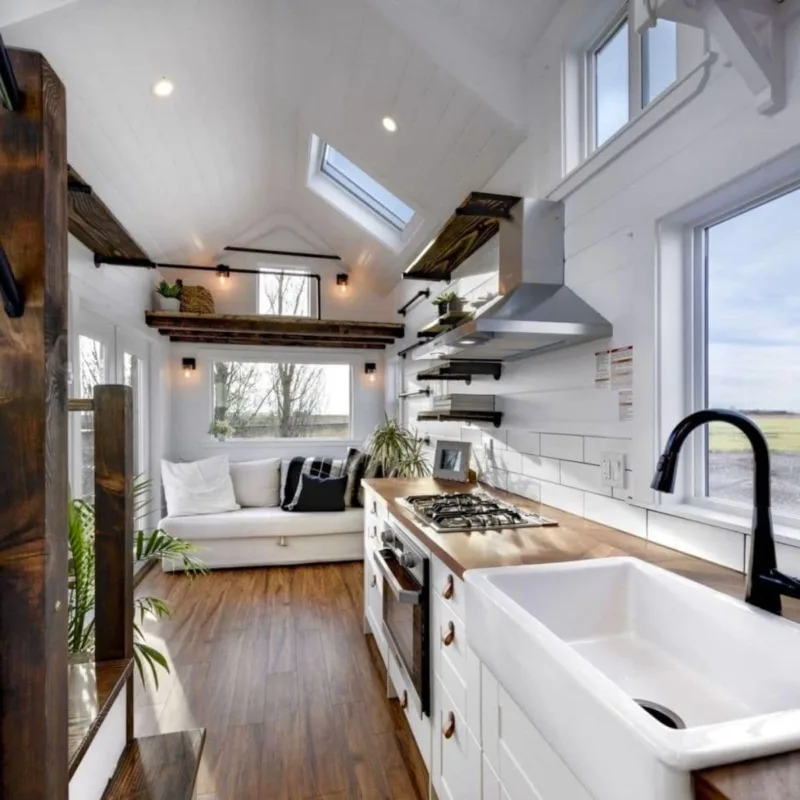
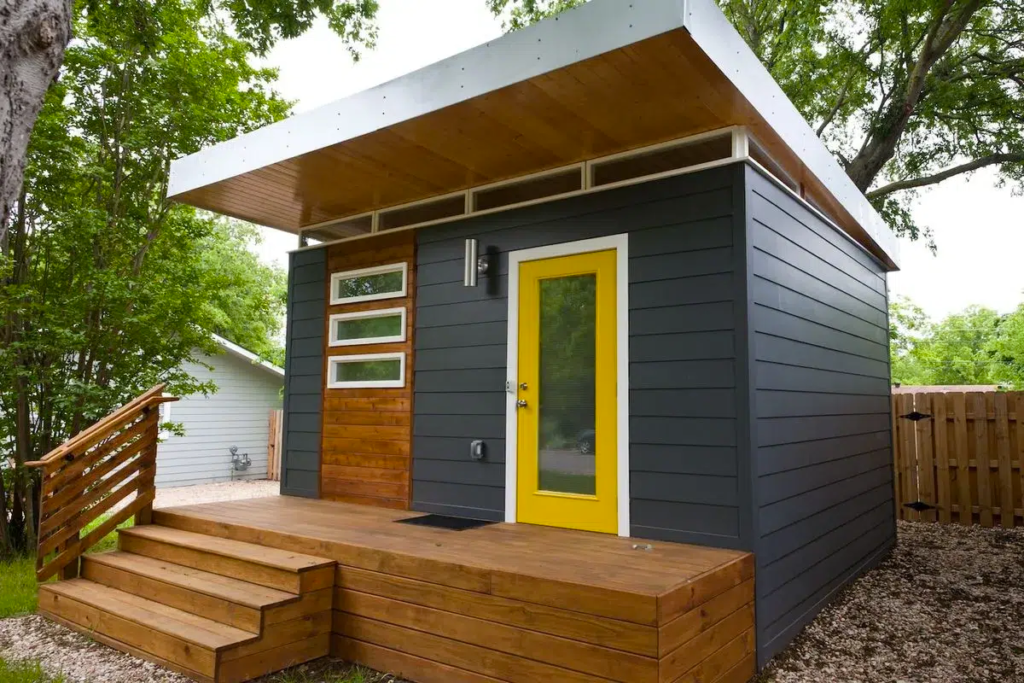
Microhomes are compact dwellings, typically ranging from 10 to 40 square meters. These homes are designed to maximize space utilization, providing a comfortable and functional living environment within a limited area. They can be mobile (mounted on a trailer) or permanent (built on a specific plot of land). While size is one of their most prominent characteristics, the essence of microhomes goes far beyond that: they aim to promote a minimalist and efficient lifestyle.
Advantages of micro-homes
1. Environmental sustainability
One of the biggest attractions of microhomes is their low environmental impact. Because of their smaller size, they require less building materials and less energy for heating and cooling. Many microhomes are equipped with eco-friendly features such as solar panels, rainwater harvesting systems, and waste composting solutions. These energy-efficient measures not only reduce carbon emissions but also promote a more sustainable lifestyle.
2. Reduce costs
Microhomes offer an affordable solution to rising housing prices. Due to their compact size, the costs of building, maintaining, and operating them are significantly lower than traditional homes. This not only helps homeowners reduce expenses but also makes homeownership more accessible to people with limited financial resources.
3. Simplify your life
The micro-living lifestyle is essentially minimalist. Living in a small space forces residents to reduce their possessions and prioritize what truly matters. This creates a simpler, less consumerist lifestyle that promotes efficiency and practicality rather than the accumulation of material wealth.
4. Liquidity and Flexibility
Miniature homes mounted on trailers offer flexibility and mobility unmatched by traditional housing. This allows owners to easily relocate, whether to enjoy different natural environments or to seek work opportunities in other areas. This mobility is particularly appealing to digital nomads and those seeking a freer lifestyle.
Micro-Housing Challenge
1. Limited space
Efficient design can maximize functionality, but living in a small space also presents many challenges. Limited space is difficult to manage, especially for families or those who value the division of different activity areas. In addition, limited space also restricts the storage of personal belongings.
2. Rules, regulations, and standards
Micro-homes face numerous obstacles in terms of building codes and standards. In many areas, building codes and zoning regulations do not apply to small homes. This can make it difficult to obtain permits and build on residential land. However, some localities have begun to adjust relevant regulations to facilitate the construction of such homes.
3. Minimalist lifestyle
Minimalism may appeal to many, but not everyone is willing to give up the comfort and space offered by traditional housing. Adapting to a more compact lifestyle can be challenging, requiring significant shifts in people’s perceptions of their lifestyles and needs.
4. Social distancing and community
Living in micro-homes also has several social implications. Limited space restricts opportunities to receive visitors or interact with the wider community. Furthermore, the loneliness that may accompany living in smaller, more mobile homes can negatively impact social relationships and a sense of belonging to a community.

The Future of Microhomes
As the micro-housing movement gains popularity, it continues to evolve. More and more designers and builders are focusing on the challenges of this type of housing and creating innovative solutions for issues such as storage and energy efficiency. Furthermore, the rise of micro-housing communities in urban and rural areas offers new options for collaborative and shared lifestyles.
The integration of technology is also playing a vital role in the development of micro-homes. From smart home control systems to renewable energy solutions, technology is helping to improve the functionality and sustainability of these compact homes.
in conclusion
Microhomes represent an innovative solution to contemporary housing and environmental challenges. They offer an alternative to traditional housing.Advocating sustainabilityHigh efficiency and a simplified lifestyle. Although micro-homes also present some challenges and limitations, continuous advancements in design and technology indicate that they will play a significant role in the future housing market.
As interest in and acceptance of this lifestyle grows, micro-homes are likely to continue to gain popularity and offer innovative solutions to global housing challenges. As we move toward a more environmentally conscious and sustainable future, micro-homes are likely to become a key component in building more efficient and harmonious communities.
Original:
https://www.ecoportal.net/econciencia/hogar/tiny-houses