They release 24 rabbits and they end up multiplying by 600 million and transform 5.3 million km² of fertile soil into degraded areas
 admin
admin 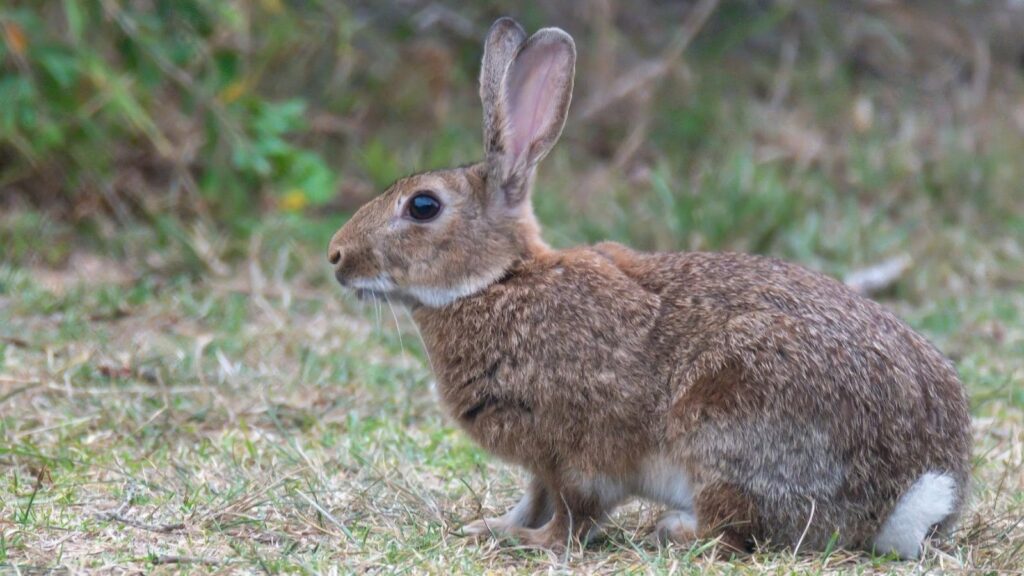
By ECOticias.com The green newspaper
Published on: February 7, 2026 at 3:31 PM
It sounds like a joke, but it’s not. In 1859, the release of a few rabbits Europeans in Australia, intended to have “a touch of home” and some hunting, ended up becoming one of the invasion the most harmful biological diseases in the country. At its peak, estimates place the population around600 million of animals, with a direct impact on fields, pastures and entire ecosystems.
The practical result? Bare soil, less native vegetation, and more 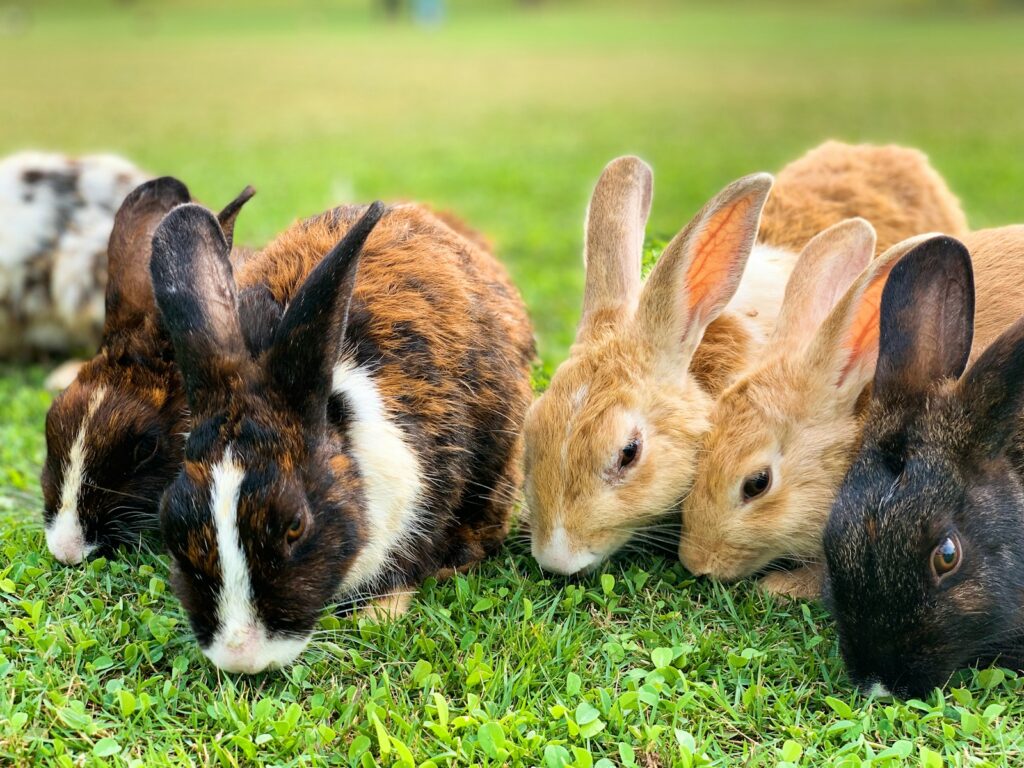 erosion And it shows.
Why did they get out of control so quickly?
The European rabbit combines two “advantages” for an invasion: it reproduces very quickly and adapts easily. Under favorable conditions,A single pair can generate a population of 184 rabbits in 18 monthsWhen food is also available and there are few predators capable of constantly slowing growth, the expansion becomes explosive.
In fact, in just a few decades rabbits came to dominate about 70%of the Australian continental landmass (about5.3 million km²It’s such a large figure that it’s hard to imagine, but it helps to understand why the problem wasn’t (and isn’t) just rural. It affects entire landscapes.
How they degrade the soil and vegetation (without it seeming like it at first)
The damage isn’t limited to “eating the grass.” Rabbits bite shoots and young plants, precisely the part that allows vegetation to regenerate. When that regeneration is disrupted, the land loses plant cover and becomes exposed.
That’s where the chain reaction begins: more erosion from wind and rain, less organic matter, and worse soil quality.floorIn productive areas, this translates into poorer pastures and more pressure on the land, something that can end up affecting the local economy.
To put it in simple numbers, in some estimates in vegetation consumption. It seems like a small amount, but multiply that by hundreds or thousands of animals and the “munching” becomes a real change in the landscape.
An ecological threat | Video: Beyond the Mysteries
Fences and viruses: what worked (and what lost its effectiveness)
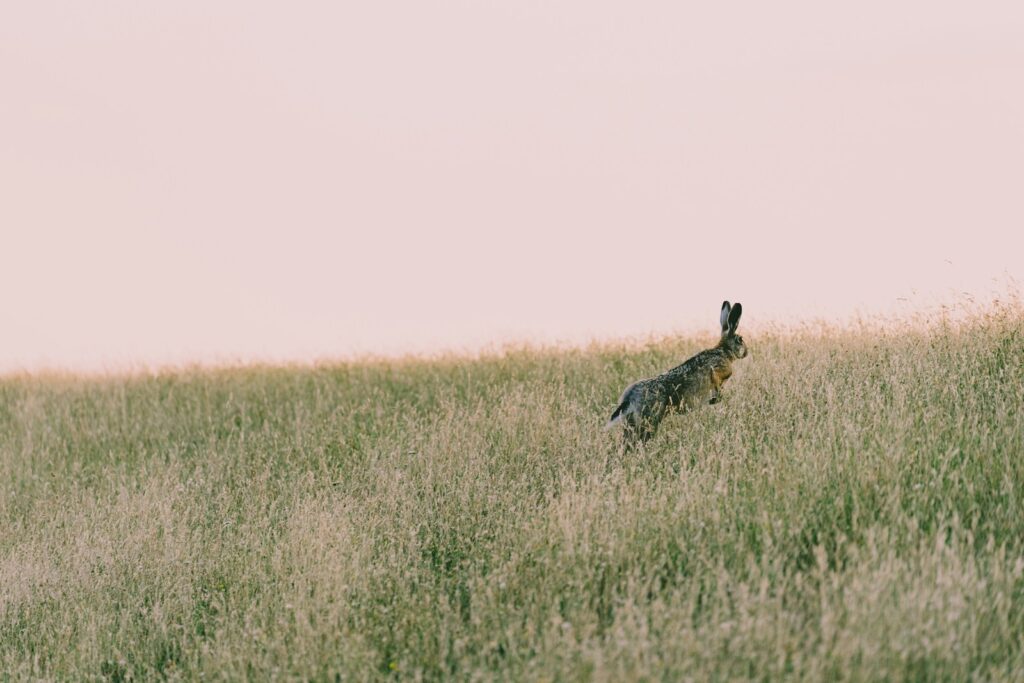 Australia tried everything. One of the most striking responses was the Rabbit-Proof. The Western Australian Fence, begun in 1901, with sections exceeding1.800 kmand a total system that hovered around3.256 kmIt was a clear idea: to halt the advance into agricultural areas. The problem is that such a barrier requires constant maintenance and does not prevent recolonization.
Then came biocontrol.mixomatosisIn the 1950s it drastically reduced populations (in some places, by more than 90%), but over time resistance appeared. In the 1990s the rabbit hemorrhagic disease virus spread (RHDV) and, more recently, new variants have been introduced such asRHDV1 K5(released nationally in 2017) to try to regain effectiveness.
The lesson is uncomfortable but useful: this isn’t a “fix and that’s it.” It’s an evolutionary race.
What should you keep in mind from now on?
The Australian experience provides a very clear idea for environmental management:Preventing the introduction of species costs far less than containing an invasion once it has spread to millions of square kilometers.And it also reminds us of something very commonplace: when there is food and shelter, the population rebound can be rapid, even after major declines.
The impact on the countryside does not occur in isolation, and it intersects with other challenges such as land restoration.pestsand the need to recover thefertilityfrom the ground. In the end, they are pieces of the same puzzle.
The most recent study and scientific explanation on biocontrol and the magnitude of the problem have been published byCSIROon their page about biological control of rabbits in Australia.
Original: https://www.ecoticias.com/naturaleza/la-invasion-biologica-que-degrado-el-suelo-de-australia