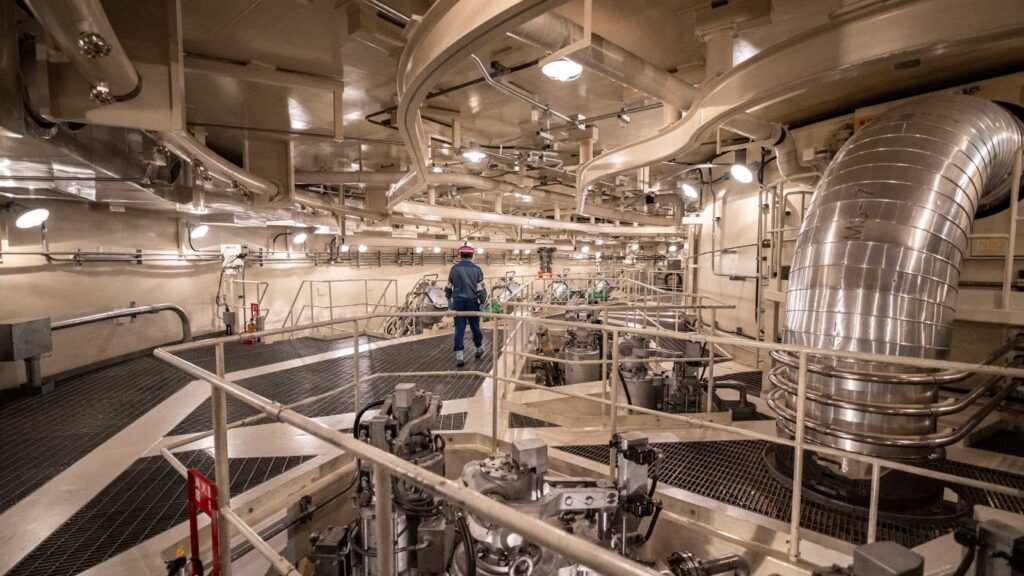
A general view inside the Unit 7 reactor containment at Kashiwazaki-Kariwa Nuclear Power Station in Niigata, Japan.Getty Images
TEPCO plans to reactivate the first of seven reactors at Kashiwazaki-Kariwa, boosting Tokyo’s electricity supply by 2%.
BySujita Sinha
Dec 22, 2025 06:13 AM EST
Japan took a major step toward reviving its nuclear energy program on Monday, as the Niigata region approved the restart of the Kashiwazaki-Kariwa Nuclear Power Plant.
The move marks nearly 15 years since the 2011 Fukushima disaster, which forced the shutdown of most of the country’s reactors. The plant is located about 136 miles (220 kilometers) northwest of Tokyo and is the world’s largest nuclear facility.
Kashiwazaki-Kariwa was among 54 reactors closed after the earthquake and tsunami damaged the Fukushima Daiichi plant. Since then, Japan has restarted 14 of the remaining 33 operable reactors to reduce dependence on imported fossil fuels. This restart will be the first for a facility operated by Tokyo Electric Power Co (TEPCO), the company behind the Fukushima nuclear disaster.
TEPCO is reportedly planning to reactivate the first of seven reactors at the site on January 20, according to public broadcaster NHK.
“We remain firmly committed to never repeating such an accident and ensuring Niigata residents never experience anything similar,” said TEPCO spokesperson Masakatsu Takata, who declined to comment further on timing.
Local opposition remains strong
The restart comes amid continued public concern. Around 300 protesters gathered outside Niigata’s prefecture assembly before Monday’s vote, holding banners that read “No Nukes” “We oppose the restart of Kashiwazaki-Kariwa,” and “Support Fukushima.”
As the rally began, the mostly older crowd sang “Furusato,” a national song celebrating a sense of connection to one’s hometown, Reuters reported.
Energy security drives nuclear revival
The prefecture’s vote of confidence in Governor Hideyo Hanazumi, who supports the restart, cleared the final local hurdle. Restarting the first reactor alone could increase electricity supply to the Tokyo area by 2%, according to Japan’s trade ministry.
Prime Minister Sanae Takaichi, who assumed office two months ago, supports nuclear restarts to secure the energy supply and reduce costs from imported fossil fuels. Japan spent $68 billion (10.7 trillion yen) on imported coal and liquefied natural gas last year, accounting for about a tenth of total import costs.
Energy demand is expected to rise over the next decade as AI data centers expand, despite Japan’s shrinking population. To meet these needs while cutting emissions, the government aims to double the share of nuclear power in its electricity mix to 20% by 2040.
Economic incentives and long-term goals
TEPCO has pledged to invest $641 million (100 billion yen) over the next 10 years in Niigata to gain local support. Despite the incentives, many residents remain cautious. A recent survey found that 60% of residents believe the conditions for restarting the plant are not met, and nearly 70% expressed concern about TEPCO’s management of the site.
Even Governor Hanazumi envisions a future with reduced reliance on nuclear energy. “I want to see an era where we don’t have to rely on energy sources that cause anxiety,” he stated. Experts like Joshua Ngu of Wood Mackenzie note that public acceptance of Kashiwazaki-Kariwa’s restart is a “critical milestone” for Japan’s energy and decarbonization goals.
For many protesters, the restart is a stark reminder of the Fukushima disaster. “As a victim of the Fukushima nuclear accident, I wish that no one, whether in Japan or anywhere in the world, ever again suffers the damage of a nuclear accident,” one protestor said, as reported by Reuters.
Original:
https://interestingengineering.com/energy/worlds-largest-nuclear-plant-to-restart
 admin
admin