admin
admin 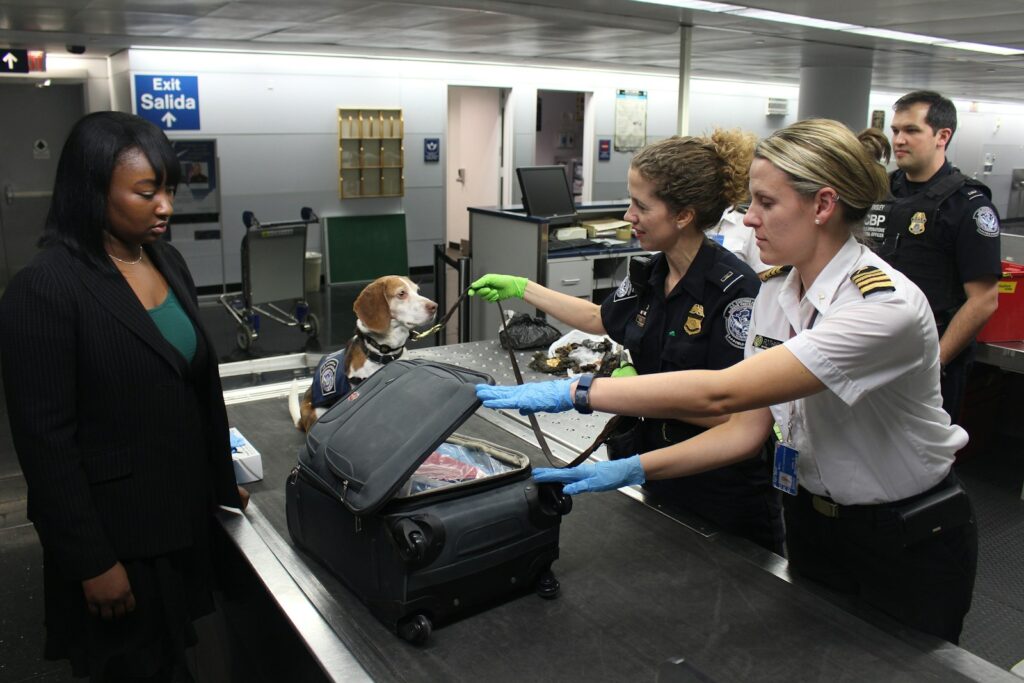
Kathleen WongUSA TODAY
Dec. 12, 2025, 3:01 a.m. ET
Many people view their phones and personal devices as private, but it can be a different story at U.S. borders.
U.S. Customs and Border Protection has long held the right to search through the devices of those trying to enter the country, but a January executive order by the Trump administration aimed at increasing national security led to heightened vetting. Now, some travelers may be wondering whether the content on their phones or social media profiles could get them denied entry.
Earlier this year, several U.S. legal residents were detained or deported following information found on their cellphones during border control searches. On Dec. 10, the Department of Homeland Security proposed a series of new screening measures to verify the identities of foreign travelers using the Electronic System for Travel Authorization (ESTA), including mandatory selfies and a review of a visa applicant’s social media history over the past five years, if approved.
Under these increased measures, travelers are facing more scrutiny from immigration and border control officers, including searches of their electronic devices by CBP.
Historically, these electronic device searches have been “almost negligible,” according to Susanne Heubel, senior counsel at New York-based immigration law firm Harter Secrest & Emery LLP. While there seemed to be a spike in early 2025 as the order took effect, many travelers will find that they can enter the U.S. without issue.
However, Heubel recently told USA TODAY that she found the proposed social media vetting concerning if someone’s visa could be denied based on their public opinion. “For people who are careful with their social media, it should not be a problem, but we are already seeing delays in visa applications due to appointment rescheduling by the U.S. consular post and simply more vetting, which increases the adjudication time,” she said.
Here’s what travelers should know:
Why does CBP search your devices?
Border searches of electronic devices, including cellphones, laptops and iPads, are meant to “enforce the law at the U.S. border and to protect border security,” according to the CBP website.
“Any traveler entering the U.S. is subject to CBP inspection,” CBP Assistant Commissioner Hilton Beckham said in a statement to USA TODAY in May. “CBP follows strict policies and directives when it comes to searching electronic media. These searches are rare, highly regulated, and have been used in identifying and combating serious crimes, including terrorism, smuggling, human trafficking, and visa fraud. Any claims of politically motivated searches are completely unfounded.”
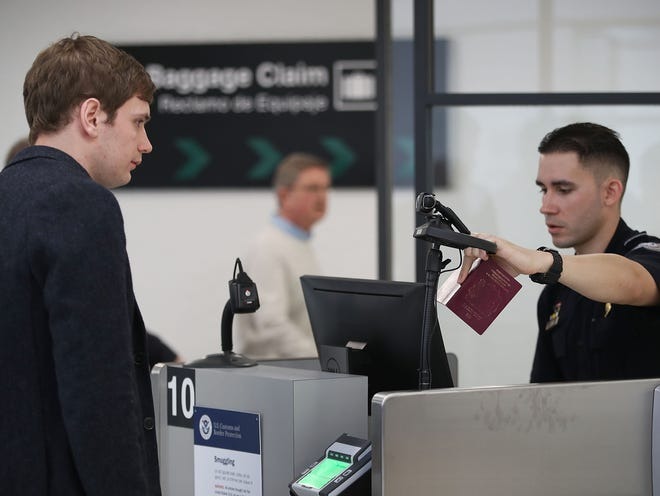
According to Heubel, the officers are checking to ensure the claim you’re making about who you are and your visa status are true, so if you’re on a tourist visa but there’s suspicion that you may be working while in the U.S. From a national security perspective, they’re also seeing if there is any criminal data or activity on your devices.
Previous cases have shown that public activity related to free speech, such as social media posts on political issues, can lead to visa issues, and that the proposed screening of applicants’ social media accounts would only heighten this risk.
“In some ways, they might be, but there’s also another rule where if you show any indication that your conduct could be contrary to the interests of the United States in terms of security and foreign policy, a lot of this is sort of being mixed together right now,” Heubel said.
What do CBP officers do when they search your devices?
There are two types of searches: basic and advanced, according to the CBP website. The former involves manually going through the content on your devices, such as photos and videos, including any deleted items that are still on your phone.
An advanced search is when an officer is using external equipment to review, copy, or analyze content on your phone if “there’s reasonable suspicion of a violation of law enforced or administered by CBP or a national security concern.” However, approval from a senior manager is required for this search to proceed.
During these searches, your device is typically in airplane mode or offline, so the officer can only go through what’s on the hard drive or operating system. Heubel said they’re not allowed to access your work email or anything stored in the Cloud. However, if your social media profiles are public, it could be easy for them to look at them on their end, she noted.
What are my rights during a device search?
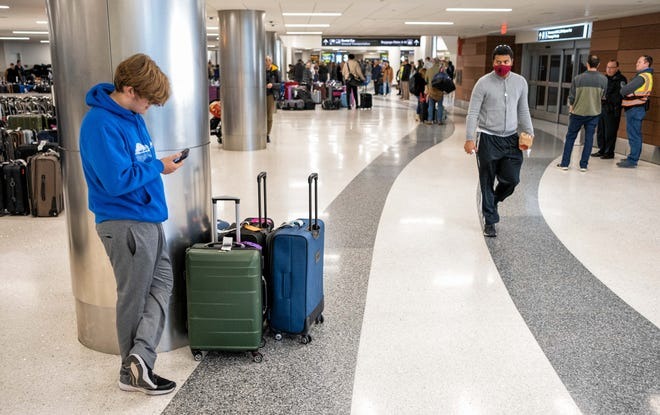
The Fourth Amendment protects against unreasonable searches and seizures, but the line gets blurred within 100 miles of international borders. At any port of entry, all of these searches are considered a “reasonable search,” so no warrant is required. “So, long story short, you have rights, but really, you don’t have any rights,” Heubel said.
If you agree to be searched, officers can go through your person and your luggage. If you are a U.S. citizen and disagree with being searched, they’re still obligated to let you into the country. However, for foreign nationals, even on approved visas, it’s iffier.
Heubel recommends travelers say something along the lines of: “I understand what’s going on. I’m just telling you, for the record, I’m not agreeing to this, but I’m letting you do it because I know that you have the right to search my device without a warrant and without probable cause.”
Here are some tips for travelers when it comes to CBP device searches:
- For the most part, if travelers are mindful of what’s on their phones and public online profiles, they should get through U.S. borders without issues. If you are cleaning up your phone, make sure to hard delete anything so it’s not just in the deleted folder, which is still accessible on your device.
- When you travel, bring as few devices as possible with you. Obviously, you’ll bring your phone with you, but leave your laptop at home if you can.
- If you’re a green card holder, do your research. “You have to have a good understanding of what the visa category that you’re coming in allows you to do and does not allow you to do,” Heubel said.
Original:
https://www.usatoday.com/story/travel/news/2025/12/12/travel-phone-searches-at-border-control/87475654007