admin
admin 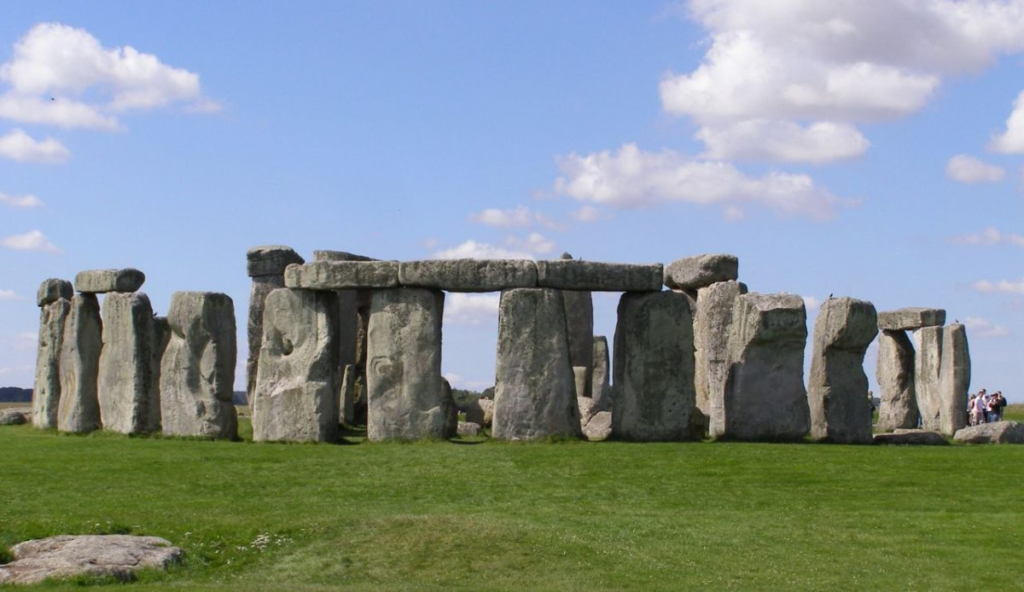
by Elias Siegelman | Published September 20, 202
Europe is filled with world-famous attractions, but not all of them live up to the excitement. Many of the most popular places are crowded, overpriced, or less impressive in person. The good news is that travelers can find equally stunning views, historic sites, and cultural experiences in quieter spots nearby. Teens will discover adventure, adults will enjoy authenticity, and families will appreciate the slower pace. These alternatives give you the freedom to see Europe without the stress of endless lines and heavy crowds.
1. Eiffel Tower, Paris, France
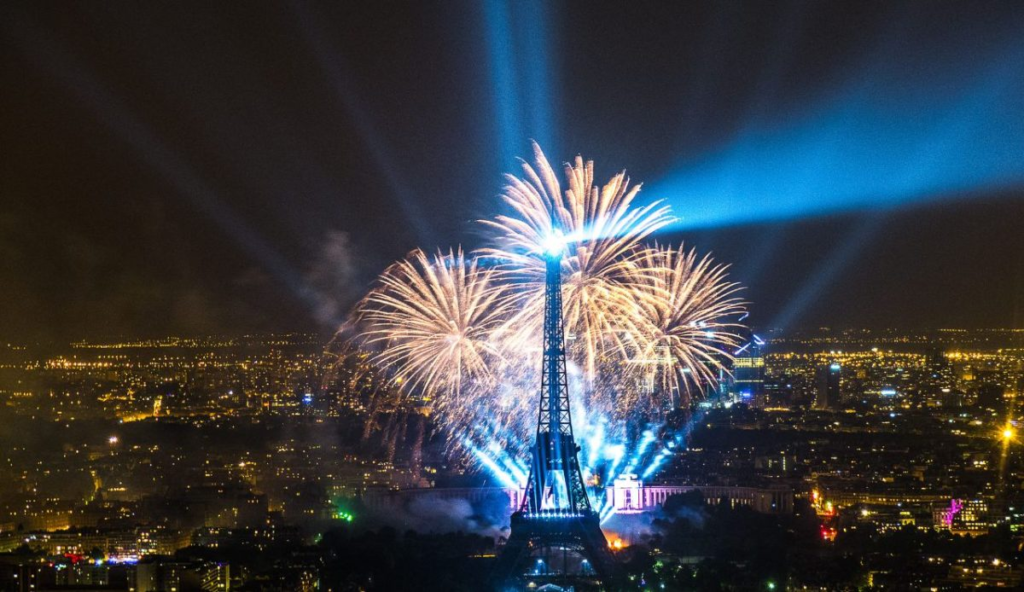
Yann Caradec, CC BY-SA 2.0/Wikimedia Commons
The Eiffel Tower is one of the most recognized landmarks in the world, drawing millions of visitors who dream of climbing its iron frame for sweeping views of Paris. People flock here for the romance, the history, and the photos that define the city. Yet once there, most travelers face long waits, steep ticket prices, and crowded platforms that make it hard to enjoy the skyline. A better choice is the Montparnasse Tower, a modern skyscraper with a rooftop deck. From here, you get the same city panorama with the Eiffel Tower included in the view. With shorter lines and more space, you can relax, take photos, and admire Paris without the stress.
2. Grand Canal, Venice, Italy
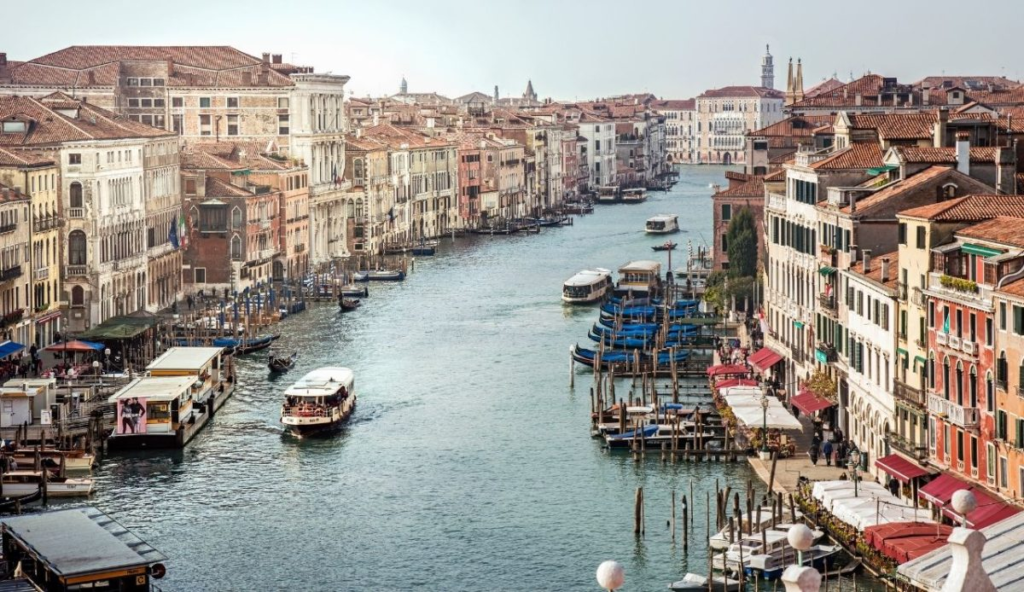
Didier Descouens, CC BY-SA 4.0/Wikimedia Commons
The Grand Canal in Venice is world-famous for gondolas gliding past palaces, and tourists often visit expecting romance and charm. It looks magical in movies and postcards, and that reputation draws huge crowds. In reality, the waterways are jammed with boats, the gondola rides are overpriced, and the city can feel more like a theme park than a living place. For a calmer experience, head to Ljubljana in Slovenia. The small river running through the city center is lined with bridges, cafes, and trees. Here you can take an affordable boat ride, sip coffee along the banks, or enjoy the city’s lively art scene. The pace is slower, the setting is cozy, and the charm feels real.
3. Stonehenge, Wiltshire, England
CC BY 2.0/Wikimedia Commons
Stonehenge is one of the world’s most famous prehistoric sites, visited for its ancient mystery and cultural weight. Tourists are drawn to the idea of standing near a monument built thousands of years ago. However, the reality is that visitors are kept behind ropes, surrounded by crowds, and often left feeling detached from the stones themselves. Just 25 miles away, Avebury offers a better experience. Its stone circle is larger, older, and spread across open countryside. Unlike Stonehenge, you can walk right among the massive stones, touch them, and explore at your own pace. With sheep grazing nearby and few barriers, it feels both authentic and magical.
4. Santorini, Cyclades, Greece
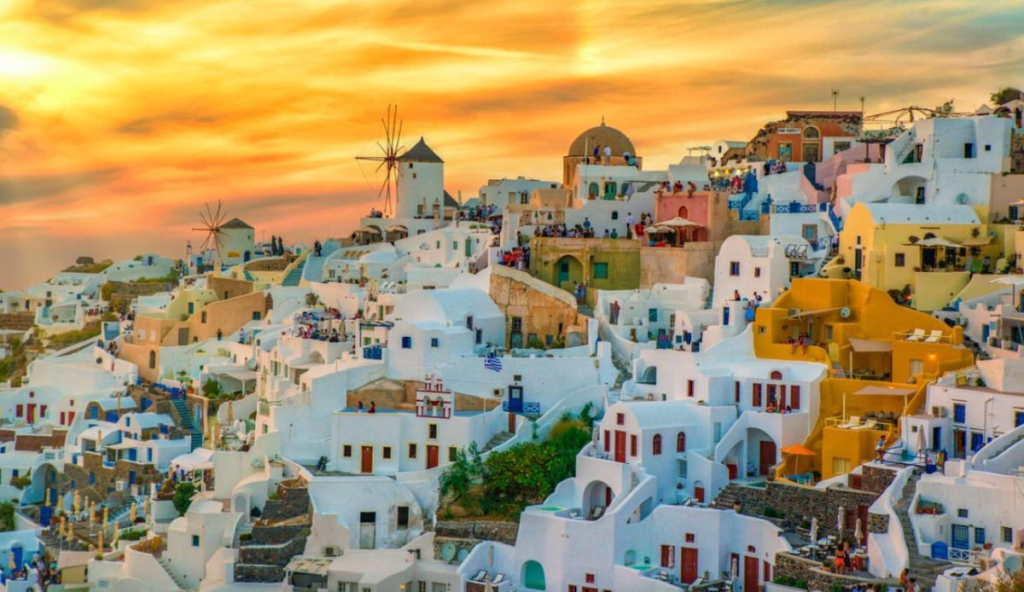
Marian78ro, CC BY-SA 4.0/Wikimedia Commons
Santorini is famous for its cliffside villages, blue-domed churches, and sunsets that seem pulled from paintings. It’s one of Greece’s top tourist draws, and travelers come expecting romance and quiet beauty. Instead, narrow streets are packed shoulder to shoulder, hotel prices are sky-high, and every sunset is a crowded event. For a more peaceful Greek island, Milos is a standout. It has the same whitewashed houses, crystal waters, and dramatic cliffs, but with far fewer visitors. Beaches range from sandy coves to hidden caves, and local taverns serve fresh food at fair prices. Visitors can swim, dive, or simply sit back and watch a sunset in true peace.
5. Old Town, Dubrovnik, Croatia
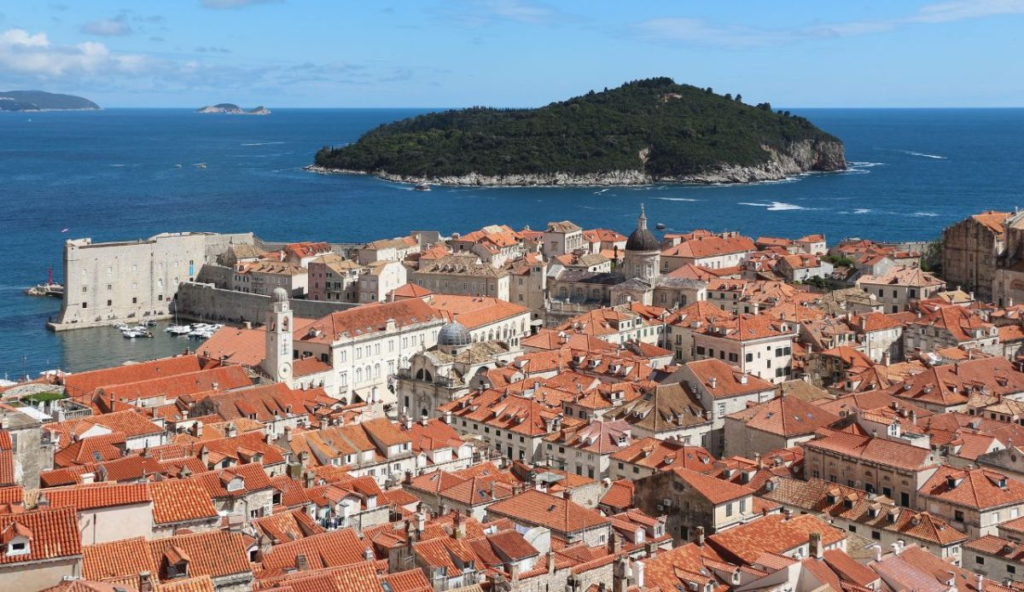
Bernard Gagnon, CC BY-SA 4.0/Wikimedia Commons
Dubrovnik’s Old Town has become a major tourist magnet thanks to its medieval walls and its role in popular TV shows. Travelers arrive seeking historic charm and dramatic coastal views. But the streets are packed with cruise ship crowds, restaurants charge premium prices, and the small town can feel more like a set than a home. Just down the coast, Kotor in Montenegro offers a more genuine atmosphere. Its old town is smaller, but its winding alleys, stone squares, and mountain backdrop are unforgettable. Visitors can hike up the fortress walls, enjoy fresh seafood, and explore without being pressed shoulder to shoulder.
6. The Acropolis, Athens, Greece
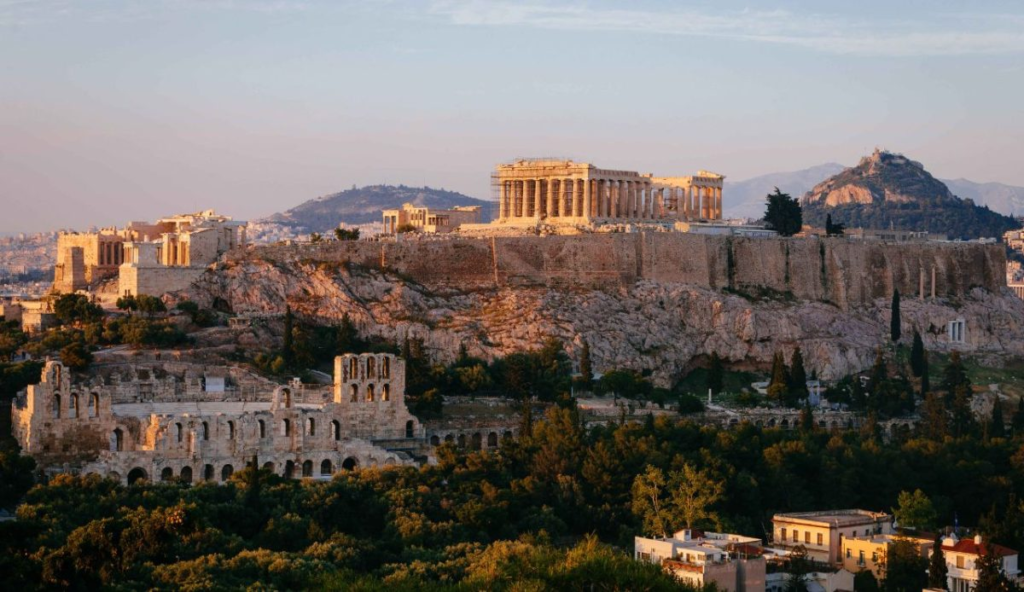
Alexander Popkov, CC BY-SA 4.0/Wikimedia Commons
The Acropolis is a must-see in Athens, famous for its ancient temples and commanding views. Visitors come to see the Parthenon and walk in the footsteps of history. However, steep ticket costs, scorching heat, and heavy summer crowds often leave travelers drained. An alternative is the Temple of Hephaestus in the Ancient Agora. This well-preserved temple is smaller but far less crowded, allowing visitors to admire Greek architecture up close. Surrounded by shady gardens and quiet paths, it offers a calmer way to enjoy the same historic beauty.
7. Charles Bridge, Prague, Czech Republic
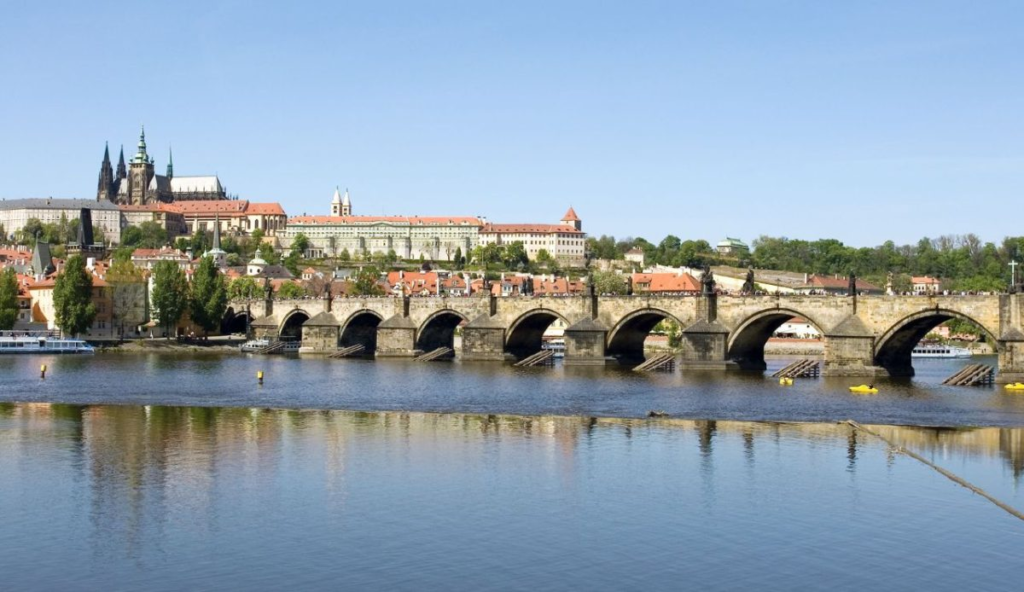
Sergey Ashmarin, CC BY-SA 3.0/Wikimedia Commons
Charles Bridge is a medieval icon, loved for its statues and city views. Visitors imagine a romantic stroll across cobblestones, but the reality often includes shoulder-to-shoulder crowds, street vendors, and little room to stop. For a calmer and equally scenic walk, head to Vyšehrad, a historic fortress overlooking the Vltava River. The area has quiet paths, gardens, and old stone walls with wide city views. Here you can wander freely, enjoy the beauty of Prague without pressure, and even have space for peaceful moments that the bridge no longer offers.
8. Oktoberfest, Munich, Germany
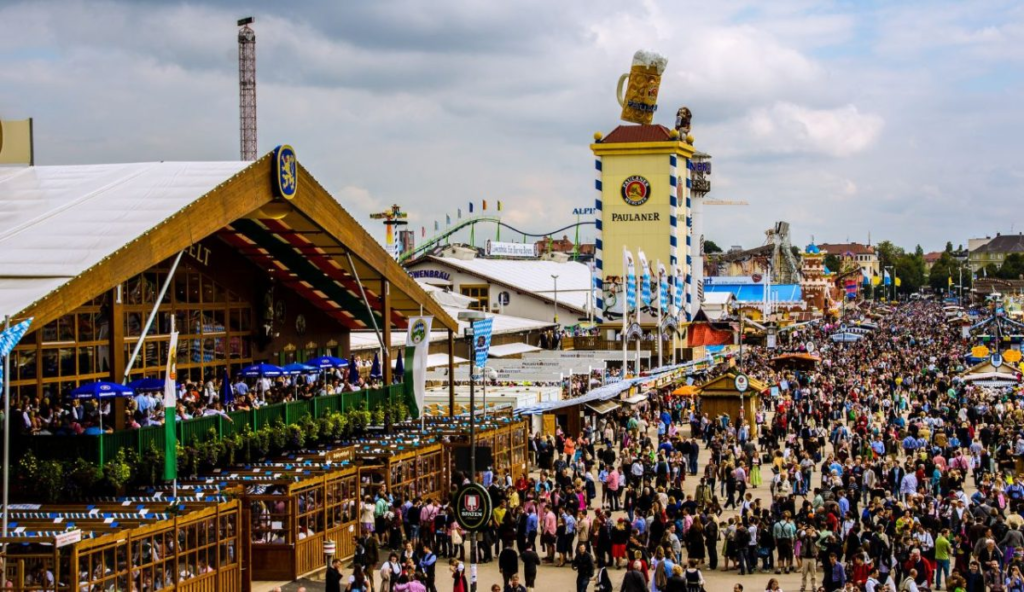
Heribert Pohl, CC BY-SA 2.0/Wikimedia Commons
Oktoberfest is one of Germany’s biggest festivals, celebrated worldwide for beer, music, and tradition. Visitors often imagine lively fun but are met with overcrowded tents, inflated prices, and limited seating. A more authentic alternative is visiting smaller beer festivals across Bavaria, such as Stuttgart’s Cannstatter Volksfest. These events keep the same music, food, and festive atmosphere, but with shorter lines and a more local crowd. Visitors can try regional brews, enjoy traditional foods, and join in the celebration without the overwhelming size and stress of Munich’s Oktoberfest.
9. Edinburgh Castle, Edinburgh, Scotland
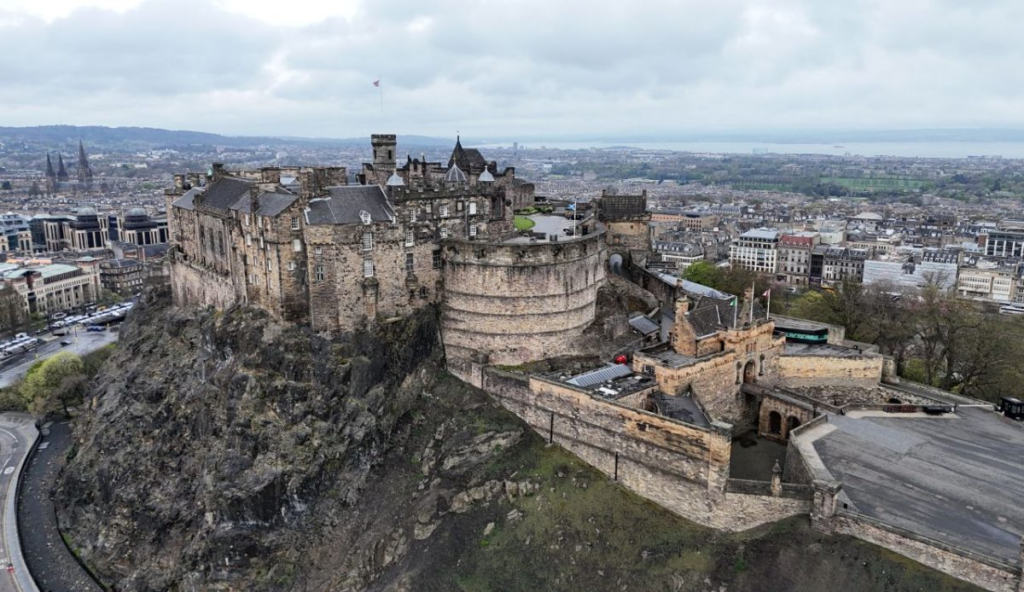
CC BY-SA 4.0/Wikimedia Commons
Edinburgh Castle is one of Scotland’s top attractions, perched high on Castle Rock. Visitors come for the views and centuries of royal history. Yet ticket costs are high, and the crowds can make the visit feel rushed. For a quieter option, head to Craigmillar Castle, just a short drive from the city center. This ruined medieval stronghold lets you climb towers, wander empty halls, and imagine life centuries ago. With fewer people and lower costs, it provides a hands-on and atmospheric experience without the tourist squeeze.
10. Bran Castle, Bran, Romania
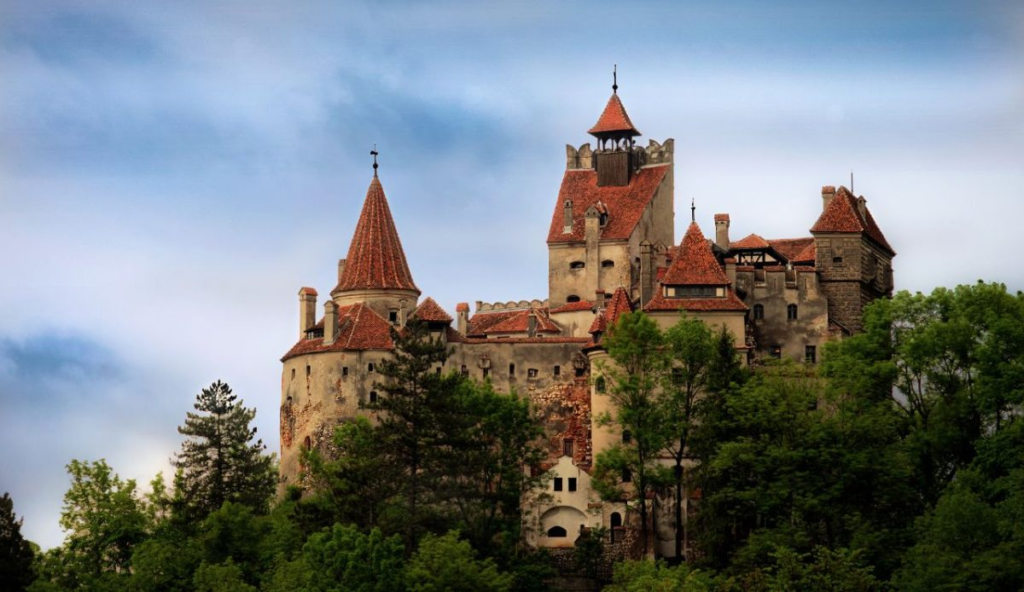
Dobre Cezar, CC BY-SA 3.0/Wikimedia Commons
Bran Castle is marketed as “Dracula’s Castle,” drawing fans of Gothic tales and horror legends. Tourists expect dark, spooky halls filled with mystery, but the reality is a small, crowded castle with little connection to Dracula. A stronger alternative is Corvin Castle in Hunedoara. This massive fortress has towers, drawbridges, and dramatic stone walls that feel straight out of a fantasy novel. Visitors can wander courtyards, climb towers, and experience a real medieval atmosphere, making it far more memorable than the overhyped Bran Castle.
Original: