admin
admin 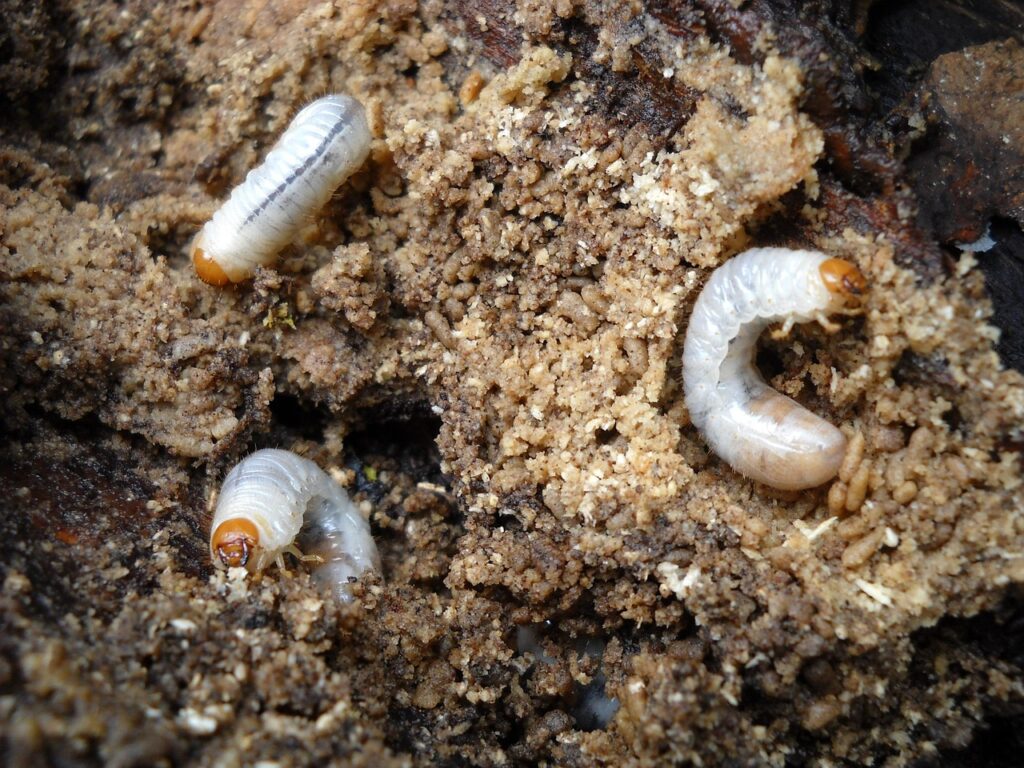
Keep these pests out of your garden once and for all.
By SJ McShane Published on June 27, 2025
:max_bytes(150000):strip_icc():format(webp)/GettyImages-2153833530-ff0e0b8ec5664283b23c6432c4166496.jpg)
Grubs, the larvae of beetles such as Japanese beetles and June bugs, pose a significant threat to many plants by feeding on their roots while residing in the soil. These pests can wreak havoc on lawns and greenery, from ornamental trees like birch and oak to essential garden crops, including tomatoes, beans, and onions. Flowers like dahlias, roses, and hydrangeas are also vulnerable to grub infestations.
The presence of grubs indicates that the ecosystem is out of balance, says Brian Daubenspeck, a farmer and mentor at The Soil Food Web School. He notes that imbalances often arise from a lack of diversity in the soil. A well-planned approach can lead to better long-term outcomes, such as implementing beneficial nematodes over several seasons.
Gardeners can also grow beautiful and beneficial plants that help combat grubs, such as aromatic herbs and plants that attract insects that prey on grubs. The goal is to maintain a diverse array of flora and fauna in the garden, allowing natural cycles to function effectively. Ahead, experts share plants that enhance the garden’s aesthetic appeal while effectively repelling grubs.
Marigolds
:max_bytes(150000):strip_icc():format(webp)/plant-seven-flowers-garden-good-luck-marigolds-getty-0523-194eed76fbb84c4d89f7349c6b865f13.jpg)
Marigolds, including Tagetes patula and Tagetes erecta, have a strong scent that can repel grubs and other soil-borne pests. The flower releases a chemical called thiophene, which is toxic to grubs. In particular, French marigolds can effectively deter various insects, including aphids, whiteflies, and mosquitoes.
- Zones: 2 to 11
- Size: 6 inches to 4 feet tall x 6 inches to 2 feet wide
- Care requirements: Full sun; well-drained soil rich in organic matter
02of 07
Lavender
:max_bytes(150000):strip_icc():format(webp)/low-maintenance-flowers-garden-lavender-getty-0523-d5270205c77a4b91a99398b6a1cf03ea.jpg)
Lavender (Lavandula) is a fragrant perennial adored by gardeners. Daubenspeck notes that this plant’s aromatic properties can repel adult grubs. Linalool and linalyl, aromatic compounds found in lavender, are known to deter certain pests by overwhelming their sensitive sense of smell. Although lavender is not typically recognized as a repellent for grubs, its strong scent can mask the odors of other plants that may attract these pests, indirectly making the area less appealing to them.
- Zones: 5 to 9
- Size: 1 to 3 feet tall x 2 to 3 feet wide
- Care requirements: Full sun; well-drained soil rich in organic matter
03of 07
Garden Geraniums
:max_bytes(150000):strip_icc():format(webp)/GettyImages-624512120-cc533c80685849f2849f0db7eb099eb3.jpg)
Garden geraniums (Pelargonium × hortorum) are a popular summertime flower that acts as a trap crop. “Trap crops are plants intentionally used to attract insect pests, diverting them away from more valuable plants, says Casey Williams, a soil consultant at Full Circle Soil Health. Williams notes that research by USDA-ARS found that Japanese beetles become paralyzed within 30 minutes of feeding on geranium petals due to the presence of L-quisqualic acid.1 “Though they may recover in 24 hours, during this period they are vulnerable to predators,” she says. Gardeners can naturally reduce beetle populations and protect their landscapes by planting geraniums among more susceptible ornamentals.
- Zones: 9 to 12
- Size: 12 to 24 inches tall x 12 to 18 inches wide
- Care requirements: Full sun; well-drained soil rich in organic matter
04of 07
Painted Daisies
:max_bytes(150000):strip_icc():format(webp)/ms-daisies-painted-daisy-getty-635955ea92cd4718a5e114df776105bf.jpg)
Painted daisies (Chrysanthemum cinerariifolium) are a charming flower that produces pink, white, or red petals with yellow centers. Often cited in grub control lists, Williams explains that this classic flower contains potent insecticidal pyrethrins in its flower heads. “The roots do not release these compounds, so growing the plant alone won’t deter grubs unless the flowers are harvested and processed into a spray,” she says.
- Zones: 3 to 7
- Size: 1 to 3 feet tall x 1 to 2 feet wide
- Care requirements: Full sun to partial shade; well-drained soil rich in organic matter
Milkweed
:max_bytes(150000):strip_icc():format(webp)/CommonMilkweed-5eed030e7d3a495aa804522959d0b4b1.jpg)
Milkweed (Asclepias syriaca L.) is renowned for its essential role as the primary host plant for monarch butterfly caterpillars, making it a wonderful addition to any garden. The plant contains toxic compounds called cardenolides in its tissues, along with a milky white latex that seeps from broken stems and leaves. These substances make milkweed unappealing to pests and help protect it from damage. Milkweed also attracts ladybugs, which are natural predators of grubs.
- Zones: 3 to 9
- Size: 2 to 6 feet tall x 1 to 3 feet wide
- Care requirements: Full sun; well-drained soil rich in organic matter
06of 07
Garlic
:max_bytes(150000):strip_icc():format(webp)/Garlic-1d9e2be5d2184c8894c62e2022f2ff02.jpg)
Garlic (Allium sativum) is a delicious crop that offers a natural and environmentally friendly alternative to chemical pesticides. Garlic contains various sulfur-containing compounds, including allicin, which are released when the garlic is damaged. These compounds have a strong, pungent odor that many insects, including grubs, find repulsive.
- Zones: 3 to 9
- Size: 18 to 24 inches tall x 6 to 12 inches wide
- Care requirements: Full sun; well-drained soil rich in organic matter
07of 07
Peppermint
Peppermint essential is inexpensive and a refreshing scent that blends well with other essential oils.
:max_bytes(150000):strip_icc():format(webp)/peppermint-5817a9d03df78cc2e81eeb3f.jpg)
Peppermint’s (Mentha × piperita) strong, pungent scent disrupts the sensory systems of grubs, overwhelming their ability to navigate and find food. While peppermint produces volatile compounds that have demonstrated deterrent effects on some insects in laboratory and field studies, William notes that these effects are significantly more pronounced when the compounds are applied in concentrated sprays or barrier treatments, rather than through the mere presence of the plants themselves. If you do try peppermint as a grub deterrent, grow it in containers to prevent it from taking over your garden.
- Zones: 5 to 9
- Size: 18 to 24 inches tall x 18 to 24 inches wide
- Care requirements: Full sun; well-drained soil rich in organic matter
Original:
https://www.marthastewart.com/plants-that-repel-grubs-11761073