admin
admin 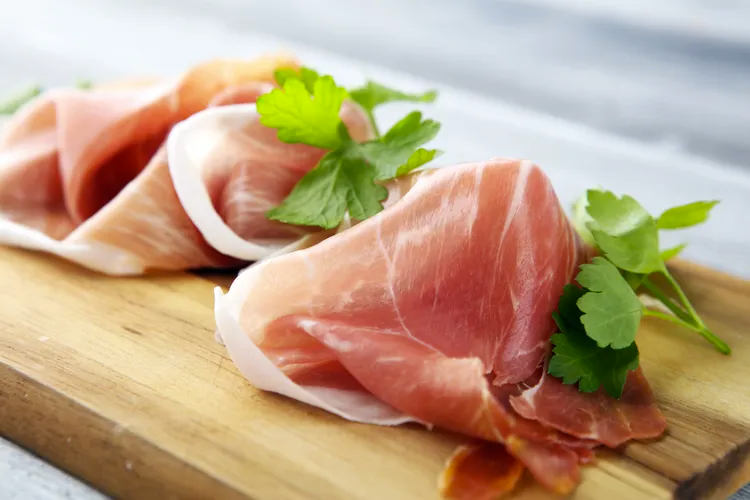
Credit: beats3 / Getty Images
Those salty-sweet, melt-in-the mouth slices are perfection.
Anne Wolf Published on December 21, 2025
In This Article
- How Prosciutto Is Made
- Prosciutto di Parma vs. San Daniele vs. American-Made
- How to Choose
- How to Serve
- How to Cook
KEY POINTS
- Prosciutto is special because long, careful curing creates rich flavors, silky texture, and a melt-in-your-mouth taste.
- Different regions and producers shape prosciutto’s flavor, giving each type its own unique character.
- To enjoy prosciutto best, choose quality slices, serve them at room temperature, and pair them with simple foods that let its flavor shine.

Its name means ham in Italian, but prosciutto is so much more than that. Prosciutto is a specific kind of dry-cured ham made from the hind leg of a pig, salted and aged for months—sometimes years. Once only found in Italian salumerias, this salty-sweet, delicate ribbon of decadence has become a fixture in grocery stores, butcher counters, and on entertaining spreads. A few slices can transform a simple cheeseboard into a celebration. Beyond the board, prosciutto belongs at brunch, aperitivo hour, and even pizza night. Here’s what you need to know about prosciutto so you can savor it properly.
How Prosciutto Is Made
Prosciutto begins with fresh, raw pork legs that are salted then slowly dried and cured over several months before aging for at least 12 more. This long, controlled process draws out moisture, preserves the meat, and concentrates its rich, savory flavors and aromas.
Age dramatically influences character, says Bolling. “Younger prosciuttos tend to be more moist and less complex in flavor. The longer they are aged, the more concentrated they become, which can lead to more porky flavor—sometimes a slight funkiness—and often a little saltier and drier texture.” Generally, the longer the prosciutto is aged, the more expensive it is because the producer has to spend more time and space on it.”
In addition to aging, the place where they are produced and the strategies of producers play a significant role in the end product. “Different producers use different salts and flavorings, and since prosciutto legs are curing for so long, the place they are cured can have an effect on their flavor.”
Prosciutto di Parma vs. San Daniele vs. American-Made
Regional varieties reflect heritage, craftsmanship, breed, diet, climate, and aging length. The terroir of the pigs’ environment and even humidity during curing shape each prosciutto’s personality, ranging in flavors from lightly floral to deeply nutty. Both Prosciutto di Parma and Prosciutto di San Daniele are Protected Designations of Origin (DOP). Every step, from raising the pigs to aging the ham, must follow strict local regulations.
Prosciutto di Parma: This classic comes from Parma, which is in Emilia-Romagna (where balsamic vinegar and Parmigiano Reggiano are also from), explains Bolling. Prosciutto di Parma is made with a specific breed of pig that is fed Parmigiano-Reggiano whey, contributing to its signature nutty-sweet flavor. A minimum aging period of 14 months helps create its balanced sweet–salty profile, buttery smooth texture, and rosy pink hue:max_bytes(150000):strip_icc():format(webp)/ms-balsamic-getty-c81a1e27b0194acbaf3d2bff5cadf4d0.jpg)
Prosciutto di San Daniele: This prosciutto comes from Friuli-Venezia Giulia, near the Alps, where cool mountain and sea breezes shape its drying environment. “The pork legs can only be cured with sea salt and must be aged a minimum of 13 months,” says Bolling. The result tends to be richer and more aromatic, slightly sweeter, with a firmer texture and deeper color.
American-made prosciutto: Prosciutto made in the U.S. isn’t bound by EU and regional regulations, which means processes and flavors vary widely. Domestic versions are often saltier with a firmer bite, but there is a considerable range.
Choosing Prosciutto Like a Pro
Purchase prosciutto with care. Look for slices that are deep pink to red with creamy, white fat. Avoid yellowed fat, which can signal oxidation, improper storage, or poor diet during raising. The fat may appear as gentle marbling or clean ribbons along the edges—both should melt beautifully on the tongue. The aroma should be subtle, never sharp or sour.
Where to Start
If you’re new to the world of prosciutto, prepare for a delicious revelation when you try this slow-cured, delicately seasoned salumi. Bolling suggests buying some of the less expensive types of prosciutto to test them out and “understand the porky joy.” She suggests starting with a young one (under 24 months), which will be approachable and balanced. Then, work your way toward longer-aged, darker, funkier examples prized by enthusiasts.
Visit a reputable cheese shop or deli and talk to their cured pork expert who can give you tastes of different prosciutto. Bolling suggests buying small portions of multiple types to compare. “It’s really cool to do this with ones that are aged different amounts but from the same producer—so you start to see the difference time makes,” she says.:max_bytes(150000):strip_icc():format(webp)/grazing-board-summer-3-7000682-0518-horiz-ocms-2000-0d4b587f62354fef885ea5ba1040e8a7.jpg)
Whether you’re building a charcuterie board, layering in sandwiches, or enjoying prosciutto on its own, how the meat is sliced matters. Bolling recommends paper-thin, flexible slices. If too thick, the pieces can be chewy and cumbersome to enjoy on a cracker. Too thin? They tear into fragile shreds, difficult to move from package to plate.
“The younger stuff is good if it’s playing a supporting role. But if you want to eat it plain, get something aged at least 16 months or preferably 24 plus months,” says Bolling.
How to Serve Prosciutto
Make prosciutto the star, not a supporting player. Let the slices come to room temperature so their silkiness and subtle flavors can bloom. Arrange them in loose folds, not a packed pile. A drizzle of high-quality olive oil and a sprinkle of black pepper are all you need for serving prosciutto, but a few well-chosen accompaniments, as outlined below, will elevate the moment.
Cheese Pairings
Prosciutto is versatile and pairs well with many cheeses, but avoid those that will overpower it. These include intensely pungent varieties, like sharp blue cheeses, which can overshadow the ham’s delicate flavors, says Bolling. Instead, opt for a nutty Parmigiano Reggiano, mild brie, or creamy ricotta. :max_bytes(150000):strip_icc():format(webp)/MSL-329964-Italian-Ricotta-Cheesecake-Recipe-hero-3x2_8926-ae067de6d9e2473ca000b7c57b0ad00b.jpeg) For an effortless brunch bite, add prosciutto to a pear, walnut, and ricotta crostini.
For an effortless brunch bite, add prosciutto to a pear, walnut, and ricotta crostini.
Fruit Pairings
Sweet, juicy fruit balances salt and richness. Prosciutto with melon is a tried-and-true, timeless classic, while figs bring floral depth and honeyed complexity.
Wine and Cocktails
Wine and prosciutto are a natural match. Sparkling Italian wines like Prosecco or Lambrusco cut through richness. For white wines, Bolling recommends crisp, acidic options such as Pinot Grigio or Albarino. “For red, I’d go bold but avoid anything too tannic … a Burgundy, Tempranillo, or Gamay would be delightful!” Cocktail fans can lean into citrus-forward spritzes or a classic Negroni.
How to Cook With Prosciutto:max_bytes(150000):strip_icc():format(webp)/MSL-1542620-chicken-saltimbocca-with-sage-10-1981-f87a4ade8d1542288fd35e808c853666.jpeg)
Reserve your prized, aged prosciutto for savoring; use younger or American-made products for cooking. When wrapping prosciutto around vegetables or chicken, or crisping it as a topping, choose slightly thicker slices for durability. Always cook with intention—lightly crisp to add texture or contrast, but avoid high-heat, which can scorch the delicate fats. You can also tuck it beneath puff pastry to protect it while baking
Julienned or diced pieces integrate beautifully into pastas, eggs, and risottos. “I’d buy a hunk of it and cut it into small pieces myself,” Bolling suggests. “You also can use leftover end pieces of prosciutto; sometimes delis will sell the parts that were towards the end of the leg that they weren’t able to slice.”
Original:
https://www.marthastewart.com/how-to-eat-prosciutto-11863239