admin
admin 
ICE protesters are being monitored by a variety of surveillance technologies, including facial recognition. (Photo by ROBERTO SCHMIDT / AFP via Getty Images)
The FBI has charged multiple people with crimes like vandalism after determining their identities using the controversial technology, according to court records.
By Thomas Brewster,Forbes Staff. Senior writer at Forbes covering cybercrime, privacy and surveillance.
Jan 30, 2026, 04:01pm EST
After an ICE agent shot and killed Renee Nicole Good on January 7, protests exploded in Minneapolis — and the FBI started reviewing YouTube videos and the city’s surveillance cameras, looking for illegal activity. They homed in on one man, who was allegedly caught on camera vandalizing the windows of a Minneapolis courthouse after security officers stopped anti-ICE protestors from entering the building, according to a criminal complaint filed by the FBI.
The FBI sent the images they’d acquired of the man to its “Facial Recognition Services” unit, which identified him as Thomas James-Jones. His social media profiles appeared to show the same man discussing immigration issues, per the complaint. He was charged with destruction of government property. James-Jones has not issued a plea and his lawyers didn’t respond to a request for comment. The FBI declined to comment.
Andrew Mercado, the citizen journalist owner of YouTube channel Mercado Media, whose footage was used by the FBI to identify James-Jones, said he was not aware of the agency applying facial recognition to his video, saying, “we condemn these actions.”
The case is one of three examples found by Forbes where facial recognition played a key role in the FBI charging people at Minneapolis ICE protests with crimes like vandalism and destruction of government property. In another case, an anonymous source sent the FBI a video they recorded at protests sparked by an ICE officer shooting a man in the leg. The agency then used facial recognition to identify two people from the video. They were later charged with theft of property from an agency vehicle, according to a criminal complaint.
In a third case, a citizen used “commercially available facial recognition software” to identify a man in a social media video who appeared to be stealing a rifle from an unmarked FBI vehicle, according to another criminal complaint. The citizen provided the FBI with the man’s identity and social media profiles, and he was later charged with theft of government property.
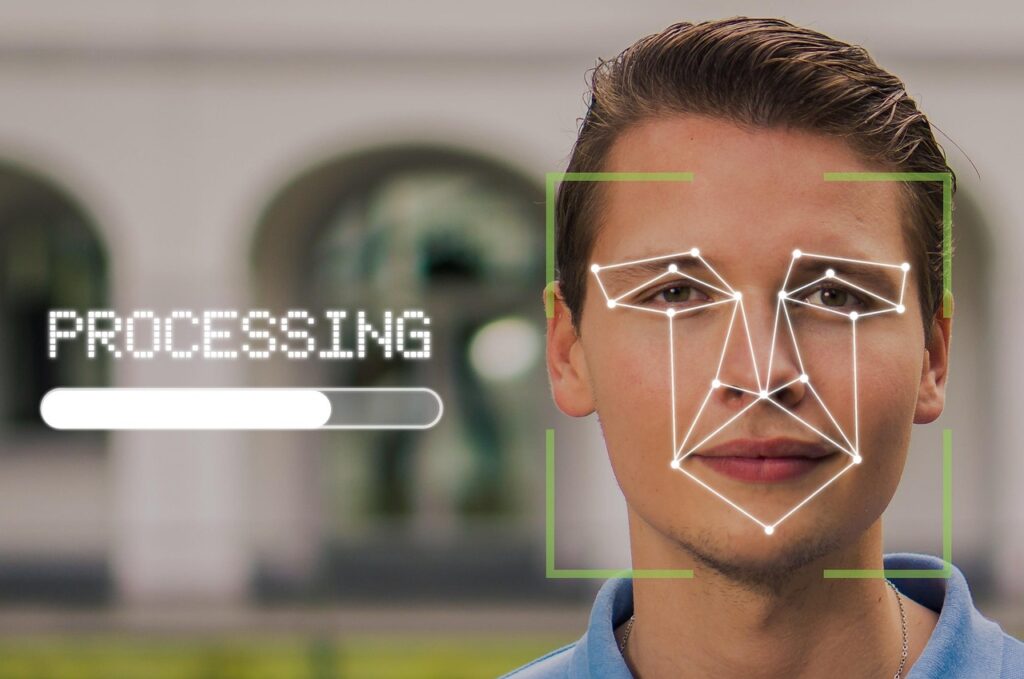 While the cases show the FBI is using facial recognition on protesters it believes have broken the law, the agency can deploy the same technology to identify anyone who was caught on camera at the protests, without any need for a warrant or other court order. The potential for broad surveillance that could violate civil liberties is one reason facial recognition has become so controversial, both when used to target protestors and immigrants.
Activists also decry its use because it’s been shown to be biased and inaccurate. As many as 10 individuals, most of them Black, have been wrongfully arrested because of a false facial recognition match. In one recent misidentification, a U.S. citizen was detained for 30 hours after ICE claimed his biometric information indicated he was an “unauthorized alien.” Nate Wessler, deputy director with the ACLU’s Speech, Privacy and Technology Project, warned about the consequences of facial recognition providing false results during anti-ICE protests because of “retaliatory law enforcement activity.” ICE didn’t respond to a request for comment.
One of the government’s primary facial recognition contractors is Clearview AI, a controversial Peter Thiel-backed company valued at $130 million that compares images to a vast database of people’s faces scraped from the web without their knowledge. Because of that lack of consent, Clearview has been fined over $50 million by regulators in the U.K. and Europe. The FBI has long been a customer, with over $500,000 worth of contracts. According to a previously reported $10 million contract with Clearview, ICE uses it to “identify victims and offenders in child sexual exploitation cases and assaults against law enforcement officers.”
Earlier this week, the DHS confirmed both ICE and CBP are using Clearview in a newly published database of its AI tools. DHS said CBP is using facial recognition to identify “individuals who may be linked to national security threats or transnational criminal organizations,” adding that it will not take enforcement action on a lead alone. Clearview did not respond to a comment request.
ICE field agents are using a different facial recognition app called Mobile Fortify. Footage posted online shows ICE agents holding up their phones to individuals’ faces, which are then compared to images of undocumented immigrants. According to the DHS database, Mobile Fortify “utilizes CBP’s facial comparison or DHS’s fingerprint matching to quickly verify subjects of interest during operations.”
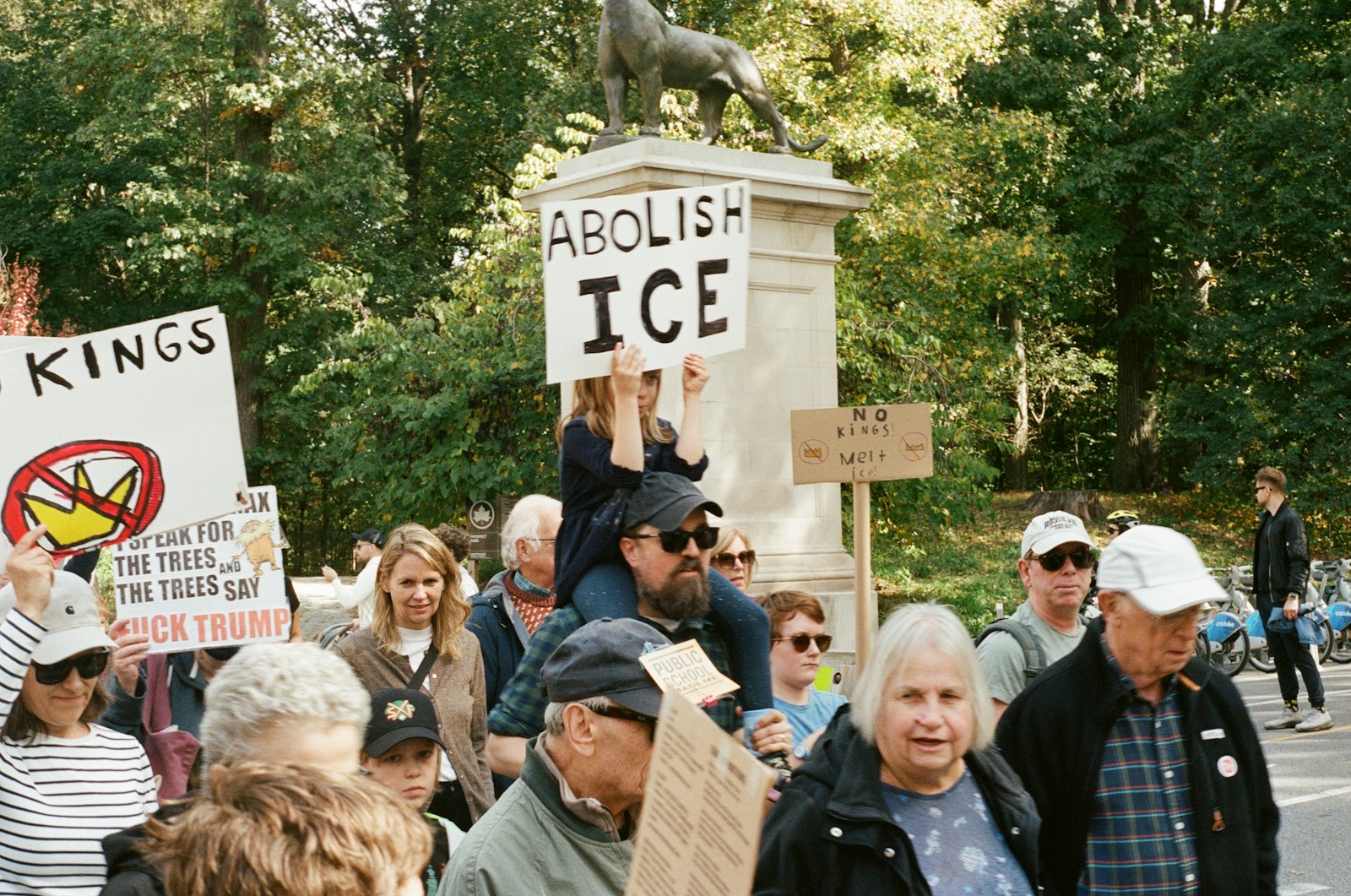 In November, Senator Edward Markey (D-Mass.) demanded that ICE stop using Mobile Fortify in a letter to the agency’s acting director Todd Lyons. “This type of on-demand surveillance threatens the privacy and free speech rights of everyone in the United States, especially when weaponized against protesters and anyone who speaks out against the federal government’s policies,” Markey wrote.
The app is made by $50 billion market cap Japanese tech giant NEC Corporation, which sells a vast array of networking and IT equipment outside of its surveillance business, according to the DHS (as first reported by Wired). Mobile Fortify isn’t always accurate. In one case reported by 404 Media, a woman’s face was scanned only to return two different and incorrect names, per a CBP officer’s testimony.
Original:https://www.forbes.com/sites/thomasbrewster/2026/01/30/fbi-facial-recognition-on-ice-protestors-on-youtube-social-media/