admin
admin 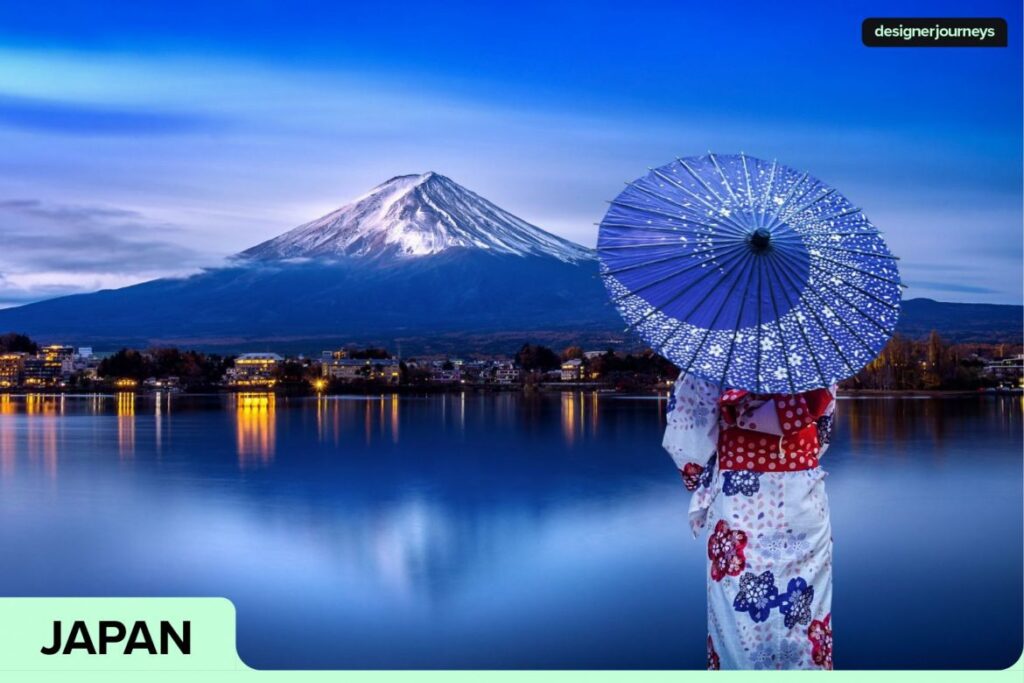
Author: Sophia | Updated: July 10, 2025
Where to go in Japan? This article recommends ten must-see attractions in Japan: NO.1 Mt. Fuji NO.2 Kiyomizu-dera Temple NO.3 Senso-ji Temple NO.4 Fushimi Inari Shrine NO.5 Nara Park NO.6 Meiji Shrine NO.7 Nijo Castle NO.8 Osaka Castle NO.9 Shinsaibashi NO.10 Hiroshima Peace Memorial Museum
As one of Asia’s most popular travel destinations, Japan attracts global tourists with its diverse and vibrant culture, stunning natural scenery throughout the four seasons, and exquisite Japanese cuisine. If you’re planning a trip to Japan soon or wondering where to go, this comprehensive guide to Japanese tourist attractions will help you plan your trip. It will provide insights into the distribution of attractions and a ranking of the top ten must-see destinations in Japan, making it easy to plan a fun and exciting trip!
Distribution of Important Tourist Spots in Japan
Kanto region:It is one of the most bustling areas in Japan, home to many iconic attractions such as Tokyo Tower, Senso-ji Temple, Arakurayama Sengen Park, Meiji Shrine, and Shibuya. This area is a top tourist destination that combines urban sightseeing, cultural exploration, and fashionable shopping.
Central region:This region blends nature, history, and modern technology, offering diverse landscapes and cultural experiences. It is renowned for attractions such as Mount Fuji, Lake Kawaguchi, Nagoya Castle, Matsumoto Castle, and the Shirakawa-go Gassho-zukuri village.
Kansai region:The Kansai region, as the core area of Japanese culture, brings together natural scenic spots, ancient capitals, and modern cities, and boasts popular attractions such as Fushimi Inari Shrine, Kiyomizu-dera Temple, Kinkaku-ji Temple, Nara Park, Shinsaibashi, and Osaka Castle.
Hokkaido region:Hokkaido is famous for its beautiful snowscapes and pristine natural landscapes, making it ideal for winter travel and outdoor activities. Popular tourist cities include Sapporo, Otaru, and Hakodate.
China region:Hiroshima is a hub of Japanese culture and a symbol of peace. While not as well-known as the Kanto or Kansai regions, it is a popular travel destination for those seeking a deeper understanding of Japanese culture and natural healing. Popular attractions include the Hiroshima Peace Memorial Museum, Itsukushima Shrine, Korakuen Garden, and the Tottori Sand Dunes.
Shikoku region:It is the smallest of Japan’s four main islands, and alsoJapan travelA hidden gem on the island. The Naruto Strait, Shimanto River, Ritsurin Park, Dogo Onsen, Kochi Castle, and other attractions are well worth a visit.
Kyushu region:It encompasses various types of attractions, including natural scenery, historical culture, hot spring experiences, and theme parks, such as Mount Aso, Kurokawa Onsen, Yakushima Island, Kumamoto Castle, and Kyushu Zoo.
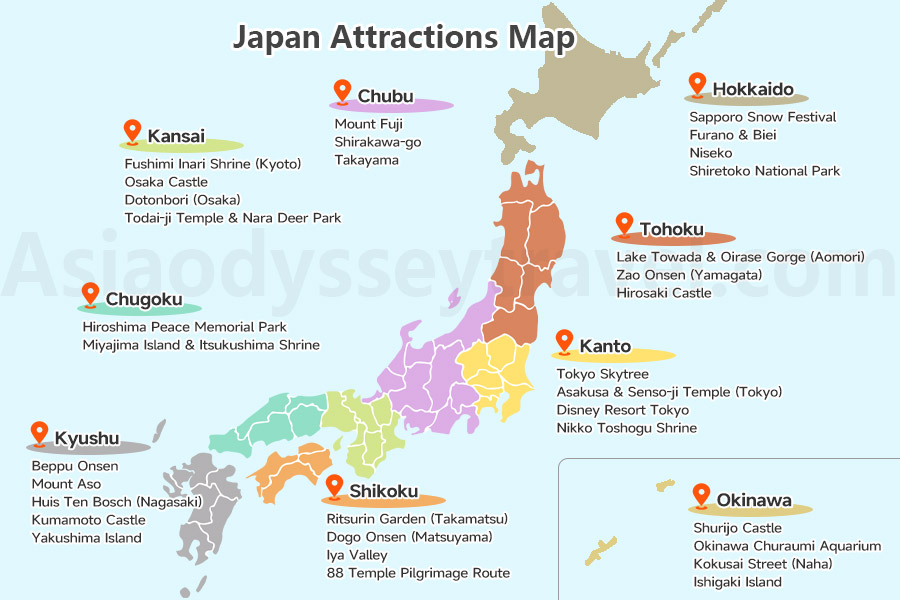
Japan Tourist Map
Top 10 Popular Tourist Attractions in Japan
No.1 Mount Fuji
Tickets:Free (a fee may apply for hiking).
Opening hours:The scenic area is open year-round; hiking: early July to early September (specific dates may vary slightly each year).
Best time to visit:Hiking: July to August; Sightseeing: October to April
address:Spanning Shizuoka and Yamanashi prefectures
Introduction:Mount FujiIt is an active volcano with a cone-shaped body. As the highest peak in the Japanese archipelago, it is not only a world-renowned natural wonder, but also Japan’s most representative national symbol, embodying the country’s profound culture and spirit.
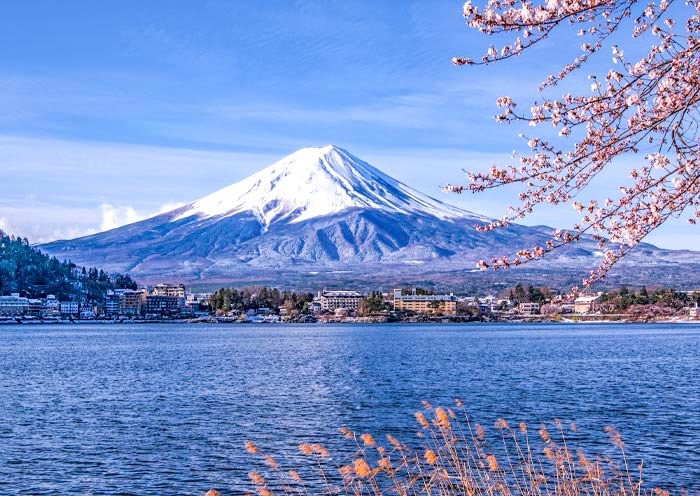
Mount Fuji – Cherry Blossom View
Travel Guide:If you wish to enjoy a panoramic view of Mount Fuji, we recommend visiting famous viewpoints such as Arakurayama Sengen Park or Lake Kawaguchi, where you can find excellent vantage points for photography. For the unique experience of watching the sunrise from the summit, you can choose to visit during the climbing season from July to September each year. The park offers four climbing routes of varying difficulty to cater to climbers of different levels.
No.2 Kiyomizu-dera Temple
Tickets:400 yen per person (400 yen per person for special nighttime shrine visits)
Opening hours:6:00-18:00 (extended to 21:30 during the special nighttime worship period)
Best time to visit:The cherry blossom season in spring (late March to early April) and the autumn foliage season in autumn (mid-November to early December).
address:294 Shimizu 1-chome, Higashiyama-ku, Kyoto City, Kyoto Prefecture
Introduction:Kiyomizu-dera Temple is one of the oldest temples in Kyoto, Japan. Built in 778 AD, it has a history of over a thousand years. It was listed as a World Heritage Site in 1994 and is also one of Japan’s National Treasures. Famous for its suspended “Kiyomizu Stage,” it is a great place to enjoy beautiful scenery, visit Japanese architecture, and learn about Japanese Buddhist culture.
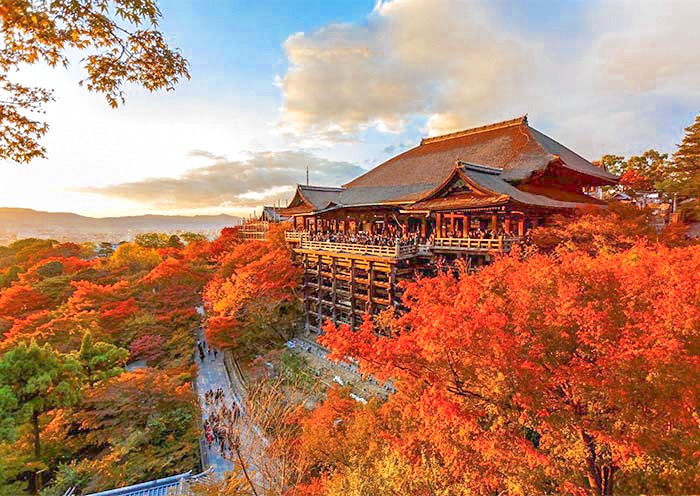
Kiyomizu-dera Temple
Travel Guide:You can visit the Kiyomizu Stage for panoramic views of Kyoto, or stroll through the temple grounds to admire the beauty of traditional Japanese temple architecture and gain a deeper understanding of the long history of Japanese Buddhist culture. Furthermore, if you are in…Japan’s cherry blossom seasonA visit will also allow you to admire the breathtaking sight of pink and white cherry blossoms contrasting beautifully with the vermilion temple buildings. During the cherry blossom season, the temple also offers evening worship services, allowing visitors to experience the unique charm of the cherry blossoms and ancient temple in the tranquil night. During the autumn foliage season, it becomes an excellent spot for viewing the fall leaves. Amidst the vibrant red leaves, the iconic three-story pagoda and the Kiyomizu Stage create a stunning backdrop, making it a must-see for photography enthusiasts.
No.3 Sensoji Temple
Tickets:Free (Treasure Gate: 300 yen/person)
Opening hours:Summer: 6:00-17:00, Winter: 6:30-17:00
Best time to visit:annual
address:2-3-1 Asakusa, Taito-ku, Tokyo
Introduction:Senso-ji Temple, founded in 628 AD, is the oldest Buddhist temple in Tokyo. It retains its Edo-period architectural style and is a popular tourist destination in Tokyo. The temple primarily enshrines the Bodhisattva Kannon, and attracts numerous worshippers and tourists every year, making it a very popular place of worship.
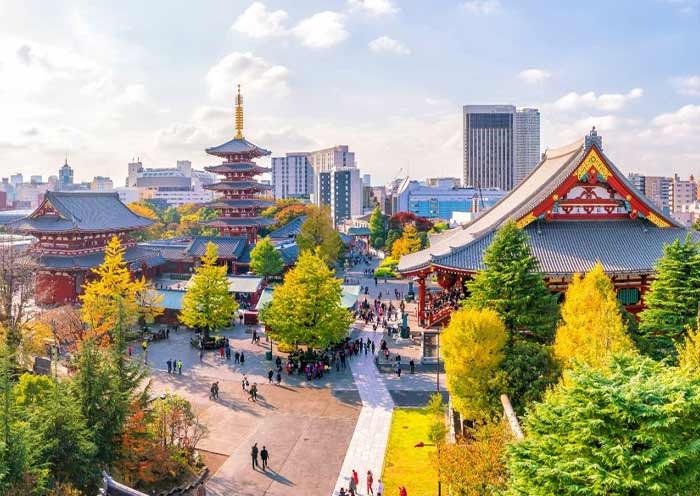
Sensoji Temple
Travel Guide:Upon arriving at Senso-ji Temple, the first thing you’ll see is the Kaminarimon Gate, with its giant red lantern hanging in the center—the temple’s iconic entrance, a perfect spot for photos. Passing through the Kaminarimon Gate, you’ll enter the historic Nakamise-dori shopping street, lined with shops displaying a variety of uniquely Japanese handicrafts and authentic Japanese cuisine. Continuing along the straight approach, you’ll reach the main hall, the heart of Senso-ji, for prayers. Here, you can also experience the unique Edo-era atmosphere: stroll through the ancient temple gardens in a traditional kimono, or ride a vintage rickshaw through the old streets and alleys.
No. 4 Fushimi Inari Shrine
Tickets:free
Opening hours:All day
Best time to visit:Maple leaf season: Mid-November to early December
address:68 Fukakusa Yabunouchicho, Fushimi Ward, Kyoto City, Kyoto Prefecture
Introduction:Fushimi Inari Taisha Shrine is one of Japan’s most representative shrines, flourishing during the Edo period. Primarily enshrining Inari (the god of agriculture and commerce), it is a sacred site for locals to pray for bountiful harvests and prosperous businesses. Furthermore, the shrine’s kilometers-long stretch of thousands of torii gates and numerous fox statues throughout the grounds are popular Instagrammable spots.
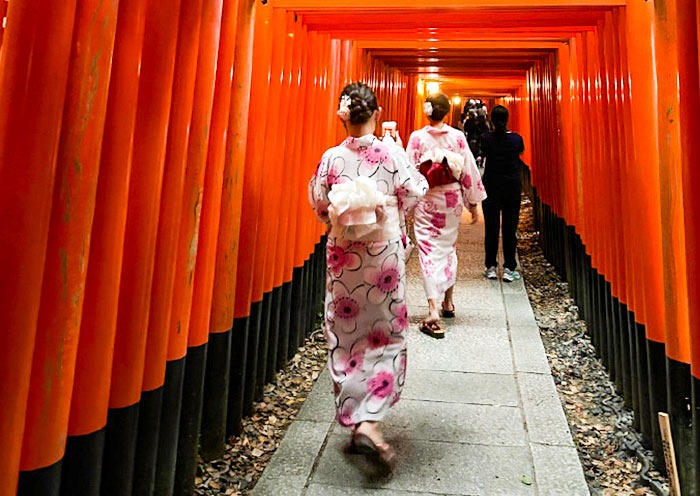
Fushimi Inari Taisha Shrine
Travel Guide:First, you can begin your visit with the solemn main hall, appreciating the exquisite structure and magnificent decorations of the shrine’s architecture. Afterwards, stroll along the famous Senbon Torii Corridor, stopping to capture some unforgettable images as you pass through the tunnel of numerous vermilion torii gates. If you have the energy, continue climbing to the Ichinomine Observatory for panoramic views of Kyoto. On the way down, we recommend taking an alternative route, allowing you to visit smaller, unique shrines along the way, such as Mitsurugi-sha, and experience the diverse shrine scenery.
No. 5 Nara Park
Tickets:free
Opening hours:All day
Best time to visit:Spring and Autumn
address:At the foot of Mount Wakakusa in Nara City, Nara Prefecture, Japan
Introduction:Nara Park is one of the most popular tourist destinations in the Kansai region, renowned for its gentle, friendly wild deer, ancient temples steeped in history, and beautiful natural scenery. It’s the perfect place to experience the harmonious coexistence of local people and nature. Furthermore, the World Heritage sites such as Todai-ji Temple and Kasuga Taisha Shrine, located within the park, are also well worth a visit.
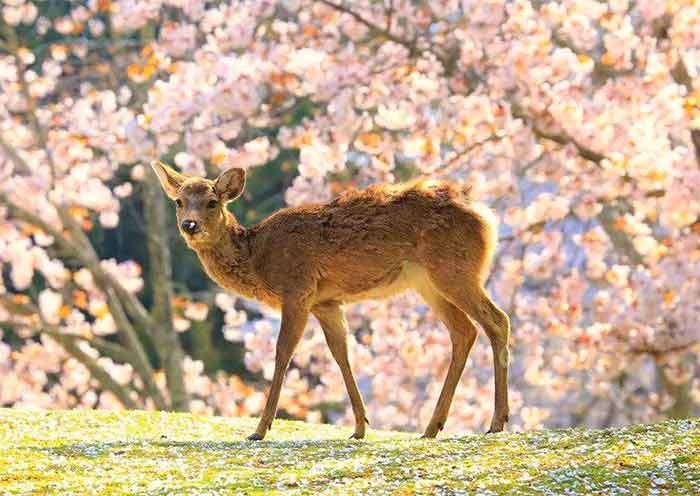
Nara Park
Travel Guide:At Nara Park, you can buy deer crackers to feed the leisurely roaming wild deer, take photos of the deer eating or bowing for food, and also visit famous temples and shrines such as Todai-ji and Kasuga Taisha to learn about Japanese religious culture.
No. 6 Meiji Shrine
Tickets:Free admission (Gyoen Palace: 500 yen/adult, Treasure Hall: 500 yen/adult)
Opening hours:The exact time may vary depending on sunrise and sunset times, but it will generally be between 5:00 AM and 6:00 PM.
Best time to visit:annual
address:1-1 Yoyogi Kamizono-cho, Shibuya-ku, Tokyo
Introduction:Completed in 1920, Meiji Shrine is primarily dedicated to Emperor Meiji and Empress Shōken. It is an important cultural symbol of Japan and one of the must-visit shrines in Tokyo. Located in the heart of Tokyo, it is a tranquil sanctuary for prayer amidst the hustle and bustle of the city, where many locals often come to worship and seek peace of mind.
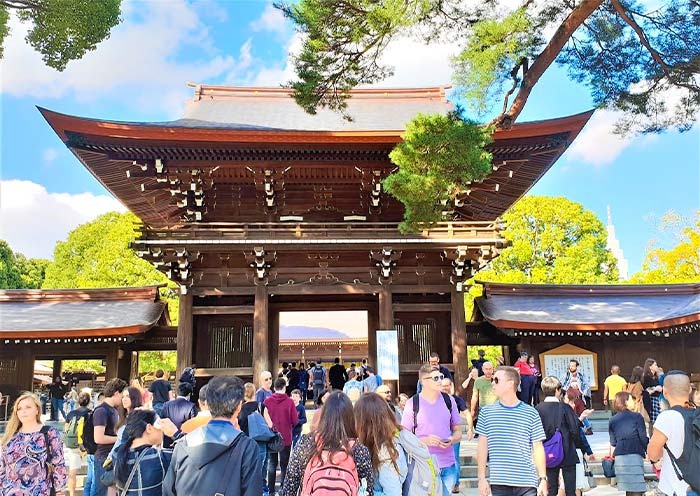
Meiji Shrine
Travel Guide:You can enter Meiji Shrine from the south entrance and stroll along the tree-lined south approach, passing the Divine Tortoise Gate and the Sake Barrel Wall before finally reaching the main hall for a visit. If you have enough time, you can also choose to visit the Meiji Shrine Gardens, including the Iris Garden, Gakuun-tei Pavilion, and Kiyomasa Well.
No.7 Nijo Castle
Tickets:Entrance fee (excluding Ninomaru Palace): 800 yen per person
Entrance fee (including Ninomaru Palace): 1300 yen/person
Honmaru Palace admission ticket: 1,000 yen/person
Opening hours:8:45-17:00
Best time to visit:annual
address:541 Nijojocho, Horikawa Nishiiru, Nijo-dori, Nakagyo Ward, Kyoto City
Introduction:Nijo Castle (Nijo Gosho) was built by Tokugawa Ieyasu for his residence in Kyoto and served as a symbol of power for the Edo Shogunate. It is renowned for its exquisite architecture, gardens, and historical significance and was designated a World Heritage Site in 1994.
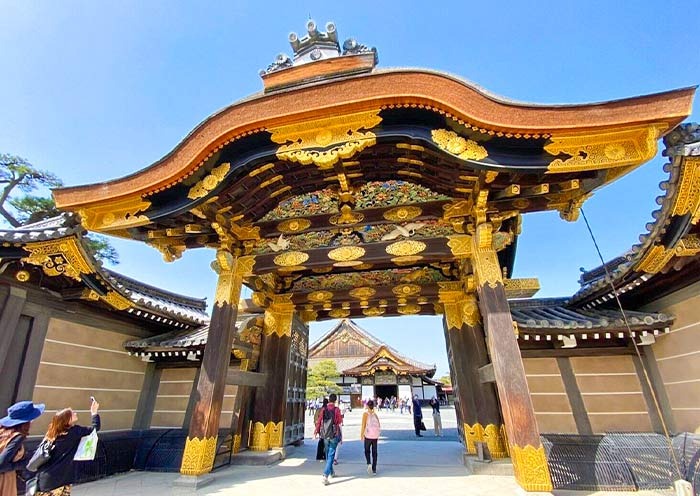
Nijo Castle
Travel Guide:Nijo Castle boasts numerous attractions worth visiting, among which the Ninomaru Palace, Ninomaru Garden, and Honmaru Garden are the most representative. Particularly noteworthy is the unique nighttime cherry blossom viewing event held here every year during the cherry blossom season.
No.8 Osaka Castle
Tickets:Osaka Castle Tower: 1200 yen/person; Osaka Castle Park: Free
Opening hours:9:00-17:00
Best time to visit:Late March to early April (cherry blossom season), mid-November to early December (maple leaf season)
address:Osaka Castle 1-1, Chuo Ward, Osaka City, Osaka Prefecture
Introduction:Osaka Castle, along with Nagoya Castle and Himeji Castle, is known as one of Japan’s three great castles. The most worthwhile sight within the castle is the magnificent golden keep, from which one can enjoy panoramic views of Osaka. In addition, the expansive Osaka Castle Park is planted with approximately 3,000 cherry trees. Every spring, when the cherry blossoms are in full bloom, the ancient castle and the pink cherry blossoms create a beautiful scene, making it one of the most popular cherry blossom viewing spots in the Kansai region.
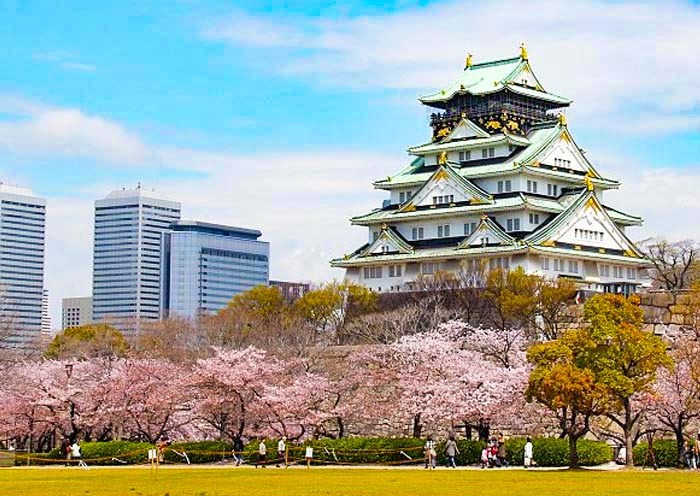
Osaka Castle Park – Castle Keep
Travel Guide:Stepping into Osaka Castle Park, you can admire the majestic castle tower up close, visit the exhibits inside, and ascend to the top observation deck for a panoramic view of Osaka. Alternatively, you can stroll through the park, enjoying the beautiful surroundings and a moment of tranquility.
No. 9 Shinsaibashi
Tickets:free
Opening hours:All day
Best time to visit:annual
address:1-2-chome, Shinsaibashisuji, Chuo-ku, Osaka City, Osaka Prefecture
Introduction:Shinsaibashi is a famous shopping district located in Chuo-ku, Osaka, Japan, renowned for its vibrant atmosphere, abundant shops, and rich history. Centered around the Shinsaibashi-suji Shopping Street, it brings together a variety of department stores, fashion brand boutiques, restaurants, and drugstores, making it one of Osaka’s most iconic shopping paradises.
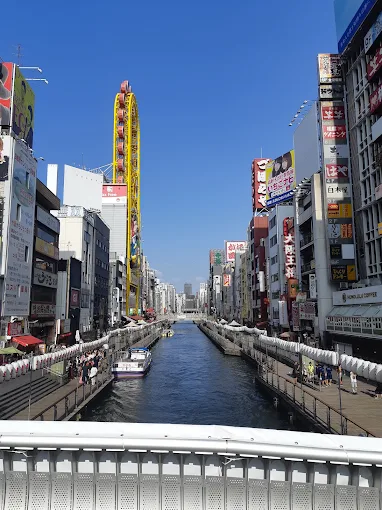
Travel Guide:You can find unique items in the trendy American Village, shop for brand-name goods at the upscale Daimaru Shinsaibashi department store, or stroll through the Shinsaibashi-suji shopping street to experience its authentic local atmosphere. When you get tired of shopping, the numerous food stalls lining the street will satisfy your cravings, offering a variety of authentic delicacies from takoyaki to okonomiyaki.
No. 10 Hiroshima Peace Memorial Museum
Tickets:200 yen/person
Opening hours:March to July: 7:30-17:00; August: 7:30-20:00, except for August 5th and 6th when hours are extended to 21:00; September to November: 7:30-17:00; December to February: 7:30-18:00
Best time to visit:annual
address:1-2 Nakajima-cho, Naka-ku, Hiroshima City, Hiroshima Prefecture, Japan
Introduction:The Hiroshima Peace Memorial Museum, located within Hiroshima Peace Memorial Park, was built to commemorate the victims of the atomic bombing of Hiroshima and to serve as a stark reminder of the cruelty of war. It is a memorial museum themed on remembering history and calling for peace. Through a wealth of precious historical artifacts, archival footage, and personal belongings of those who experienced the bombing, the museum not only commemorates the deceased but also serves as a timeless warning to the world about the preciousness of peace and the brutality of war.
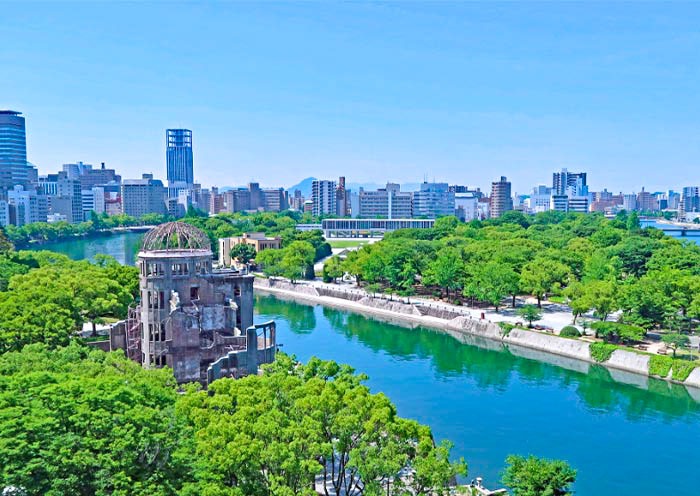
Hiroshima Peace Memorial Park
Original:https://www.tibetcn.com/japan-travel-guide/top-japan-attractions.html