admin
admin 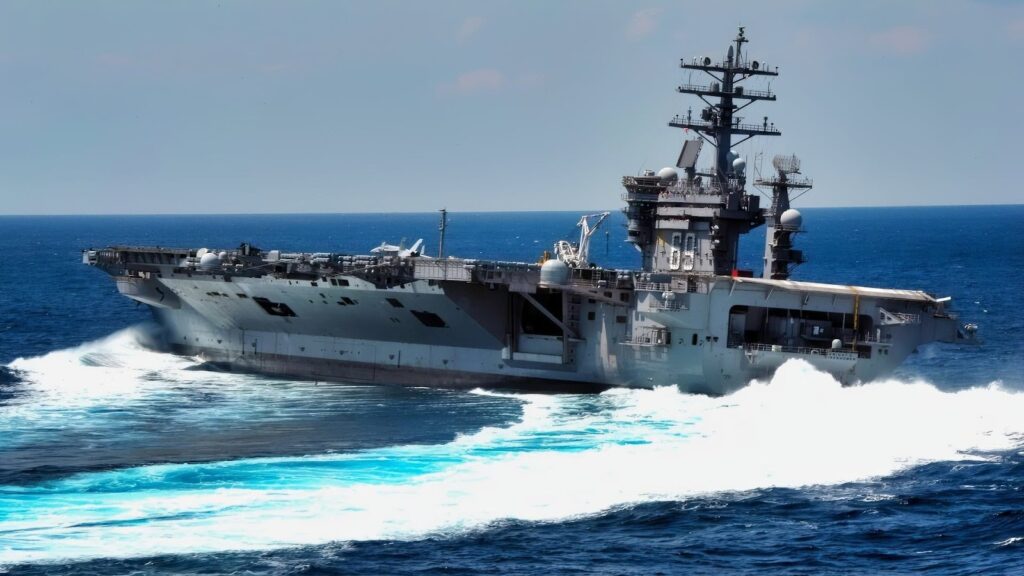
The Nimitz-class aircraft carrier USS Dwight D. Eisenhower conducts rudder turns during sea trials. Dwight D. Eisenhower completed a nine-month planned incremental availability at Norfolk Naval Ship Yard on June 10 and is scheduled to resume underway operations this summer.
By Brent M. Eastwood January 18, 2026
China’s A2/AD Has a Message for U.S. Carriers: DF-21D, DF-26, and the New YJ Missile Threat
The great Prussian military sage Carl von Clausewitz held that defense is stronger than offense in warfare. The Chinese military must agree—it plays defense better than any country in the world. Whether the offensive platform is a submarine, aircraft carrier, ballistic missile, or drone, China has created a weapon system to take it down.
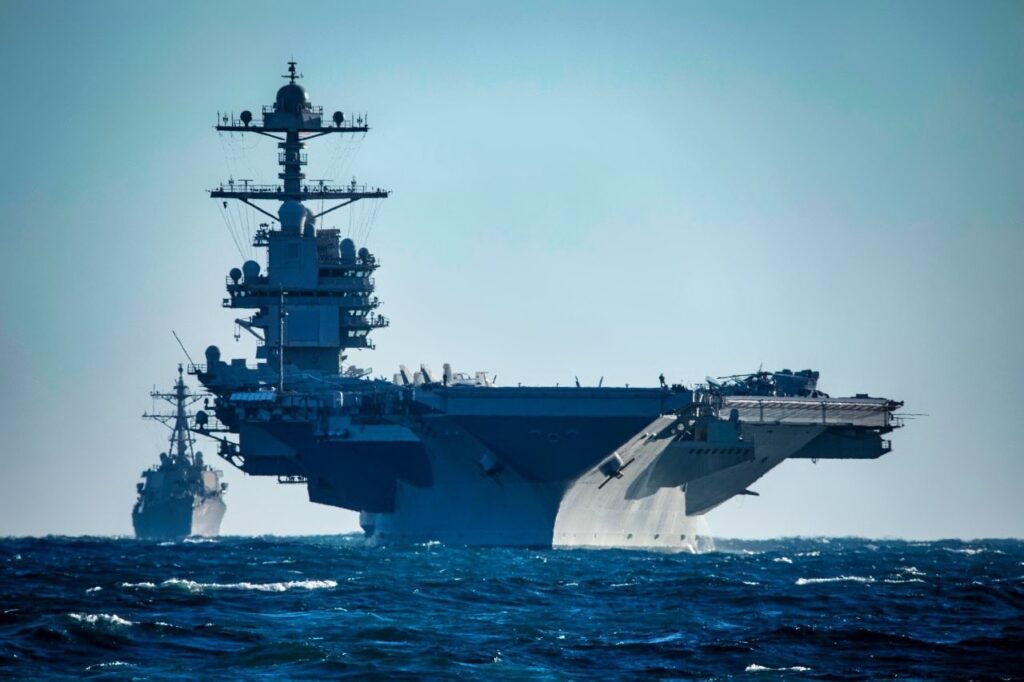
A view from the Ticonderoga-class guided missile cruiser USS Normandy (CG 60) of the first-in-class aircraft carrier USS Gerald R. Ford (CVN 78) and the Arleigh Burke-class guided missile destroyers USS Thomas Hudner (DDG 116), USS Ramage (DDG 61) and USS McFaul (DDG 74) as the ships steam in formation during a drill while underway as part of the Gerald R. Ford Carrier Strike Group March 5, 2023. Ford Carrier Strike Group is underway in the Atlantic Ocean executing its Composite Training Unit Exercise (COMPTUEX), an intense, multi-week exercise designed to fully integrate a carrier strike group as a cohesive, multi-mission fighting force and to test their ability to carry out sustained combat operations from the sea. As the first-in-class ship of Ford-class aircraft carriers, CVN 78 represents a generational leap in the U.S. Navy’s capacity to project power on a global scale. (U.S. Navy photo by Mass Communication Specialist 2nd Class Malachi Lakey)
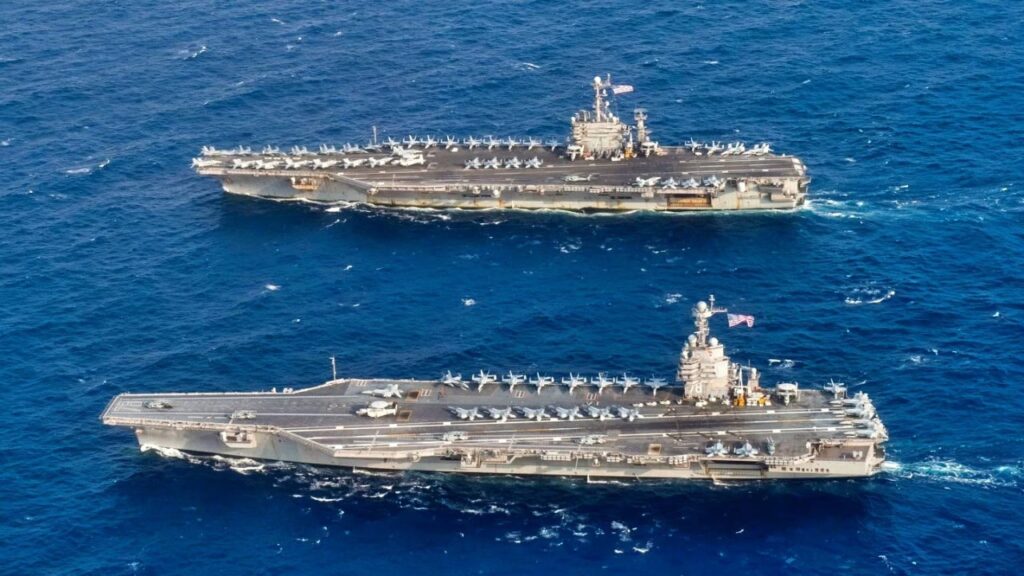
Ford-Class Aircraft Carrier U.S. Navy. Image Credit: Creative Commons.
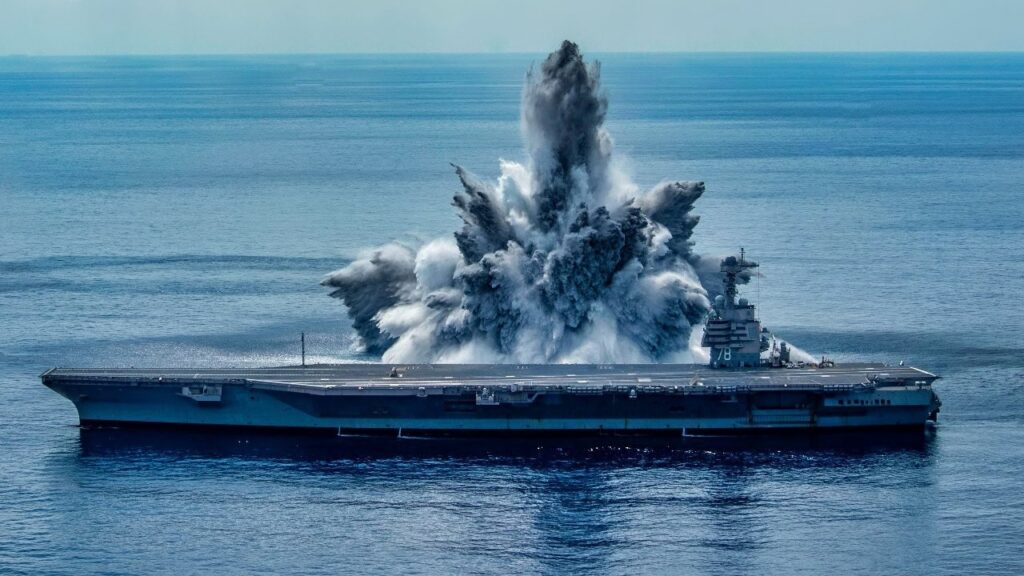
The aircraft carrier USS Gerald R. Ford (CVN 78) successfully completes the third and final scheduled explosive event of Full Ship Shock Trials while underway in the Atlantic Ocean, Aug. 8, 2021. The U.S. Navy conducts shock trials of new ship designs using live explosives to confirm that our warships can continue to meet demanding mission requirements under harsh conditions they might encounter in battle. (U.S. Navy photo by Mass Communication Specialist 3rd Class Novalee Manzella)
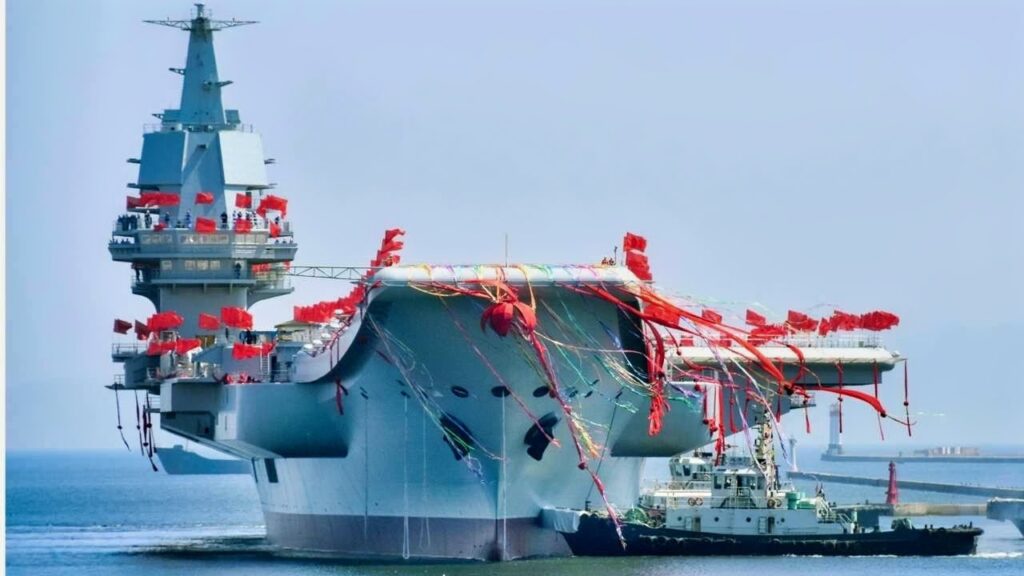
Shandong Aircraft Carrier. Image Credit: Creative Commons.
China’s anti-access/area denial (A2/AD) systems have created parts of the ocean where it would not be safe to sail in wartime, and its militarized islands are another asset that threatens the freedom of navigation the U.S. enforces in East Asia.
You could argue China has complete control over the East and South China Seas. The U.S. Navy attempts to fly the flag and deter the People’s Republic, but the Chinese are not intimidated. China is determined to protect its territorial claims, and fits its innovation and technology to the end of denying access specifically to the U.S. Navy and its aircraft carriers.
IN 3 WORDS: SUBMARINES, MISSILES, DRONES
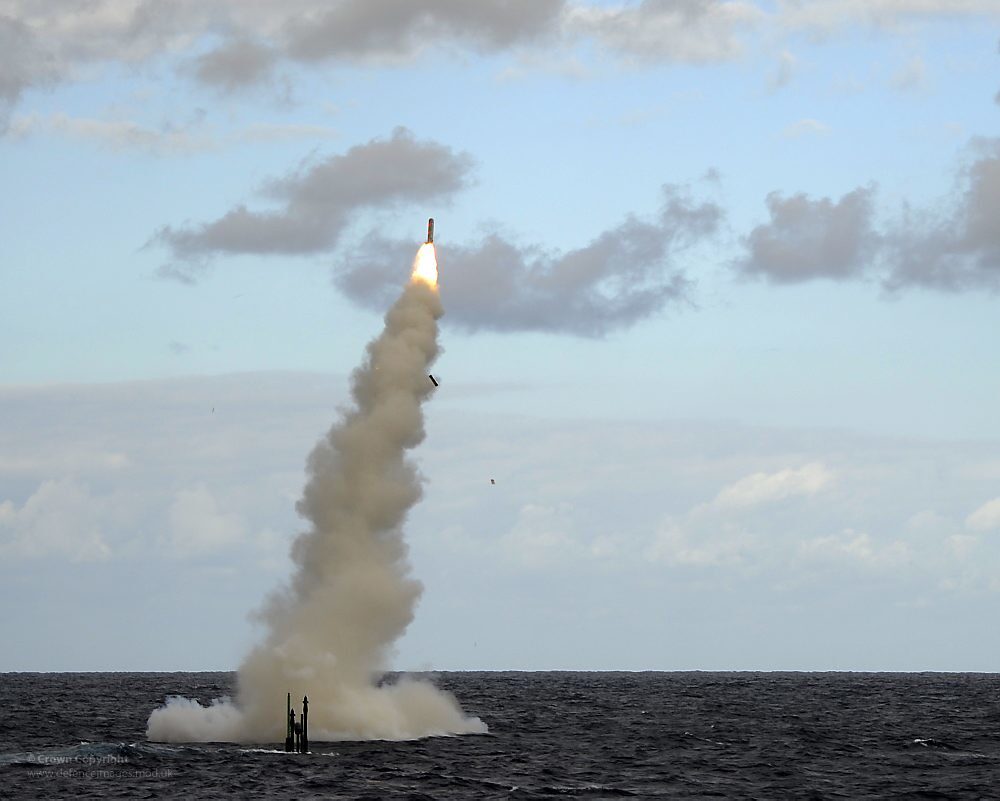
The new YJ series of missiles is a big part of China’s defensive strategy and a clear threat to aircraft carriers. The YJ-19 and YJ-20, as well as the YJ-15 and YJ-17 naval strike missiles, all are top-notch. Some of these are scramjet-propelled hypersonic missiles and could take out a U.S. Navy ship. They can be launched by Type 055 Renhai-class destroyers and H-6K strategic bombers.
China also deploys so-called carrier-killer missiles—the DF-21D and DF-26. These run true and fast. They are designed to keep the Americans guessing and hold U.S. carrier strike groups (CSGs) under threat, both close to Taiwan and in the first island chain.
UNDERSEA WARFARE CAPABILITIES ARE IMPROVING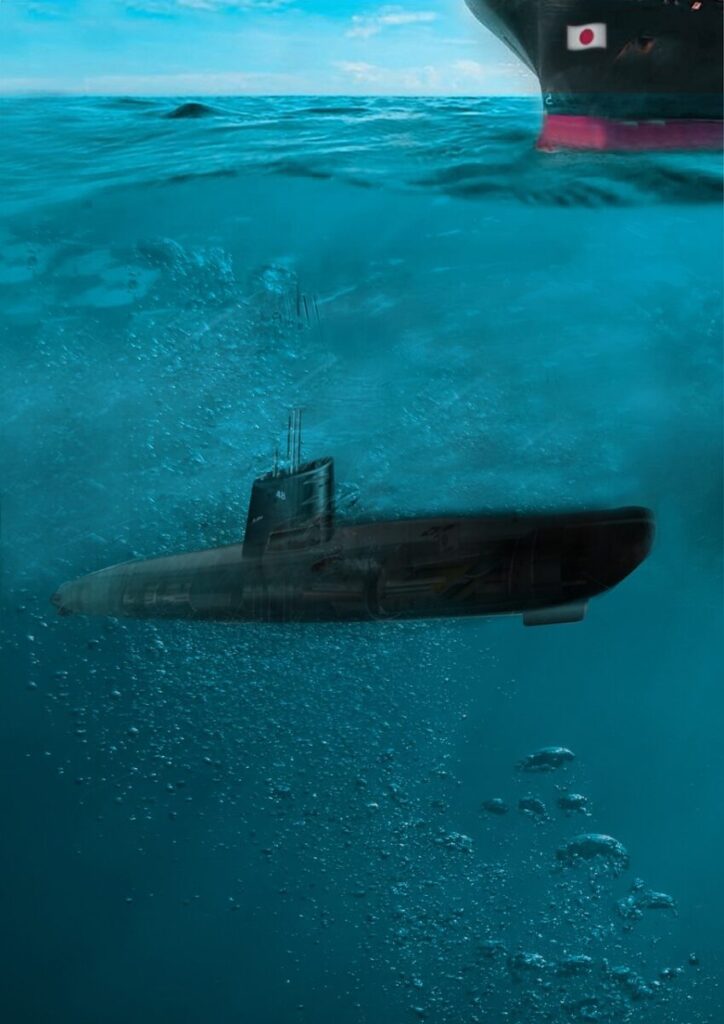
New Chinese submarines already deployed or under development include the Type 096 ballistic missile submarine and the Type 093B nuclear-powered fast attack boat. While a U.S. CSG has many options for keeping submarines at bay, the new Chinese subs will be much harder to spot and track.
CREATING AN EFFECTIVE ‘DRONE WALL’
 China also plans for sea drone “motherships” to launch naval unmanned aerial systems for reconnaissance or attack. These ships can deploy loitering drones targeted at adversary vessels. Other aerial unmanned craft can control smaller, swarming kamikaze drones meant to dive down at American ships.
The Chinese effort is to create a defensive drone wall and pair it with other capabilities to stop a CSG from patrolling at will. The U.S. seeks to respond with innovations of its own, such as lasers that can fire unlimited “shots” to fry drones. These innovations are untested in combat. The Navy’s conventional missile interceptors, such as the SM-6 and SM-3, can run out fast, and they are also expensive to produce.
If the U.S.must keep its carriers out of the first island chain, that would make it difficult to come to the aid of Taiwan and the Philippines. Don’t forget that the Middle Kingdom has three conventionally powered carriers, and a fourth on the way that could be nuclear-powered. China deploys its own CSGs to protect territorial claims near the Philippines, Vietnam, and Japan.
KEEPING U.S. AIRCRAFT CARRIERS AWAY FROM TAIWAN
China is in a strong position, and new weapon systems make the A2/AD approach easier. The Americans may not be able to intervene easily against a Chinese attack on Taiwan. China has the space defended well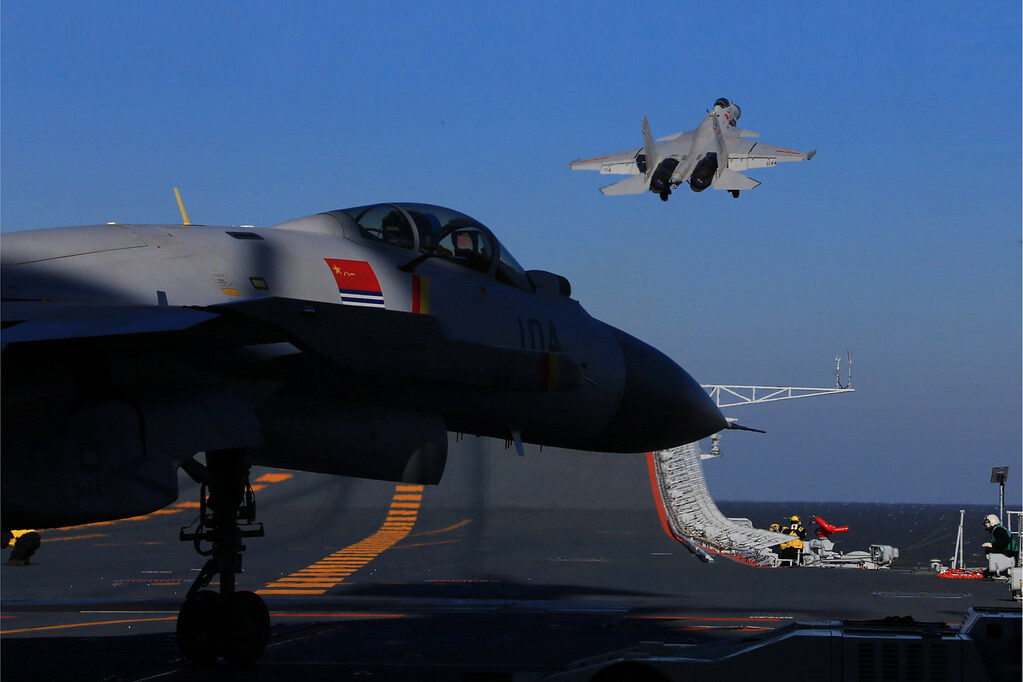
Moreover, China is creating a blue water navy that can patrol outside its region, with dual-use bases in the Port of Gwadar in Pakistan and Djibouti in the Horn of Africa. There may also be plans for a base in Equatorial Guinea. The bases aid in the transit of goods for trade and commerce. The Chinese also need energy products and hydrocarbons from the Middle East, and shipping lanes must be continuously open.
WHAT IF THE AMERICANS TRIED A BLOCKADE OF A KEY SHIPPING LANE?
The United States in response could attempt to blockade the vital Strait of Malacca, where as much as two-thirds of Chinese commerce transits. A successful blockade could hamstring the Chinese economy, but it might take weeks to make a real difference. By then, the Chinese could establish a beachhead on Taiwan and allow tanks and armored vehicles to stream in and take aim at Taipei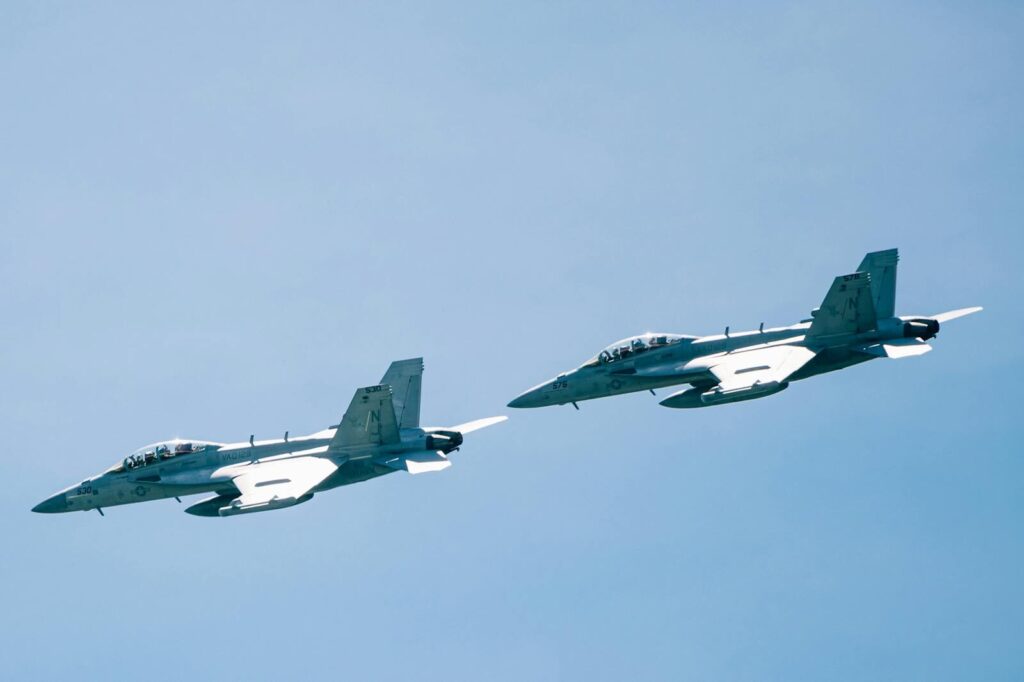
The good news for the Americans is that they have many allies in the region. South Korea, Japan, and Australia are the strongest, but Vietnam, Singapore, and the Philippines are excellent military partners too. Japan could be the decisive country should war arise in East Asia with an aggressive China.
Chinese President Xi Jinping wants to maintain and strengthen the best military in the region. New weapons come online regularly. Clausewitz and famed naval strategist Alfred Thayer Mahan would have approved of China’s method of creating a defensive bubble
Keeping the United States from operating where it wants is Xi’s main goal. This would allow him to focus on Taiwan, and an attack to annex the island nation could happen as soon as 2027
China’s defensive bubble is strong. The drone wall is a growing threat. A fourth nuclear-powered aircraft carrier could be ready by 2030. The new submarines are becoming stealthier and more powerful. China may have already created the decisive military advantage in the region. The U.S. Navy is combat-proven and experienced, but the Chinese may have more “toys” to keep the A2/AD defensive bubble intact for years to come.
Original:https://www.19fortyfive.com/2026/01/chinas-plan-to-sink-navy-aircraft-carriers-boils-down-to-3-words/