Psychology says people who grew up in the 1960s and 70s learned 9 life lessons that are rarely taught today
 admin
admin 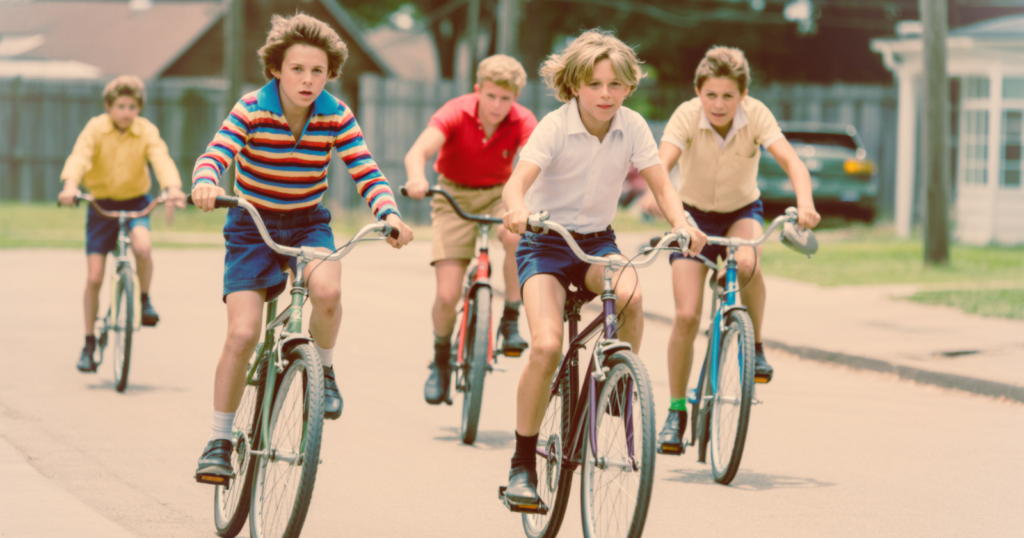
by Farley Ledgerwood | January 25, 2026, 5:46 pm
I was the middle child of five, growing up in Ohio during the 1960s. My father worked double shifts at the factory. My mother stretched every dollar until it squeaked. And most afternoons, my brothers and I roamed the neighborhood unsupervised until the streetlights flickered on.
Looking back, I realize our childhoods looked nothing like what kids experience today. There were no smartphones, no helicopter parents, no curated activities designed to optimize our development. There was just life, unfiltered and unscheduled.
What’s fascinating is that psychologists are now studying why people from my generation seem to possess certain psychological strengths that are becoming increasingly rare. Researchers have found that those who grew up in the post-World War II era developed resilience out of necessity, shaped by rapid social change, cultural upheaval, and a style of parenting that would make modern experts nervous.
I’m not here to say everything was better back then. It wasn’t. But certain lessons from that era deserve a second look, because they shaped how an entire generation handles adversity, disappointment, and the messiness of real life
1) Boredom was the birthplace of creativitfamily
 Summer afternoons in my childhood stretched endlessly. No camps. No organized activities. Just hours upon hours of nothing in particular.
My parents’ response to complaints of boredom was consistent: “Go find something to do.”
At the time, it felt like neglect. Now psychologists recognize it as something valuable. Research from the Child Mind Institute shows that boredom helps children develop planning strategies, problem-solving skills, and flexibility. When kids must figure out how to entertain themselves, they exercise cognitive muscles that constant stimulation never builds.
Those long, empty afternoons forced us to create entire worlds from cardboard boxes and sticks. We invented games with elaborate rules. We daydreamed. We learned to be comfortable inside our own heads.
That’s a skill I still draw on today, especially in retirement. The ability to sit with myself, to let my mind wander without reaching for distraction, feels like a gift those boring summers quietly handed me.
2) Failure was allowed to sting
 When I tried out for the baseball team and didn’t make it, nobody handed me a participation trophy. My parents acknowledged my disappointment, but they didn’t treat it like a crisis. The message was clear: this is how life works sometimes.
“Life isn’t fair” wasn’t a cruel dismissal in my household. It was preparation.
Experiencing failure without excessive cushioning taught my generation that setbacks aren’t permanent catastrophes. Research confirms that when children are given opportunities to struggle and sometimes fail, they develop critical coping and resilience skills. Children who never encounter manageable failure often lack the confidence that comes from knowing they can recover.
I’ve carried that understanding into adulthood. When I lost my job unexpectedly at forty-five, when investments went sideways, when relationships hit rough patches, I had practice at dusting myself off. The sting of childhood failure had inoculated me against believing that any single setback defined my entire future.
3) Waiting was simply part of life

Want that new bike? Save your allowance for six months. Excited about the next episode of your favorite show? Wait until next week. Need to look something up? Get yourself to the library.
Everything in our childhood required patience.
This wasn’t an intentional parenting strategy. It was just how the world worked before instant gratification became the default setting. But the famous marshmallow experiments conducted by Walter Mischel in the 1960s and 1970s at Stanford demonstrated that the ability to delay gratification predicts better outcomes in academic performance, health, and life satisfaction decades later.
We couldn’t stream anything. We couldn’t order anything with next-day delivery. We couldn’t get answers to questions without effort. This wired our brains differently, building what psychologists call stronger executive function, the ability to control impulses and work toward long-term goals.
If you’ve covered this topic before here, you know I believe patience is becoming a lost art. But for those of us who learned to wait as children, the skill remains surprisingly intact.
4) Unsupervised play was the norm
From the time I could walk, my world expanded in concentric circles. First the backyard. Then the block. Eventually the entire neighborhood became our territory, governed by kid-made rules and kid-enforced justice.
There were no adults rushing in to mediate conflicts or supervise our adventures. We climbed trees that could have killed us. We built forts with questionable structural integrity. We navigated social dynamics without parental interference.
Research published in Scientific American confirms that this kind of free play is critical for developing social skills, stress management, and problem-solving abilities. Without constant adult supervision, children develop risk tolerance, independence, and the confidence that comes from figuring things out themselves.
I learned more about negotiation, compromise, and standing up for myself during those unsupervised afternoons than in any classroom. Those lessons stuck because I lived them, not because an adult explained them.
5) Adults weren’t always available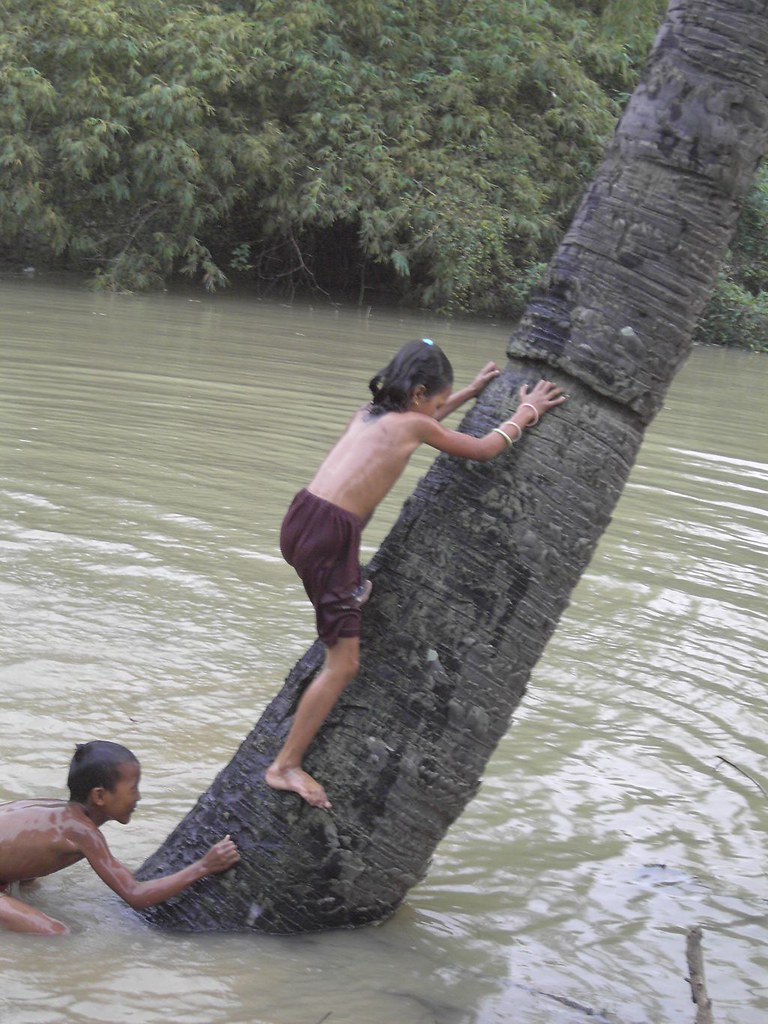
My parents loved me fiercely. But they had their own concerns, their own friendships, their own world that didn’t revolve around my every need.
When I came home from school, I let myself in with the key around my neck. I made my own snacks. I started my homework without being asked. I figured things out.
This wasn’t negligence. It was a different understanding of what children needed. And psychologists now recognize that this independence had developmental benefits. Children who learn to manage without constant adult attention develop stronger self-reliance and internal resources.
My grandchildren’s lives look nothing like this. Every moment seems curated, supervised, optimized. I wonder sometimes what they might be missing by never having to simply figure things out on their own.
6) We witnessed real consequences
 When I was ten, my grandfather died. My parents didn’t shield me from the funeral. I saw adults cry. I witnessed grief in its raw, uncomfortable reality.
Pets didn’t disappear to mysterious farms. When our dog got sick, we were there at the end. I learned early that loss was part of life, not something to be hidden or softened beyond recognition.
This exposure might seem harsh by today’s standards. But watching how adults survived grief, how they picked themselves up and continued living despite heartbreak, taught me something textbooks never could. I learned that sadness is temporary, even when it feels overwhelming. I learned that people are more resilient than they appear.
That knowledge has served me well through the inevitable losses of adulthood, including my mother’s death, which taught me about grief and the importance of expressing love regularly.
7) Resources were limited, so we got resourcefu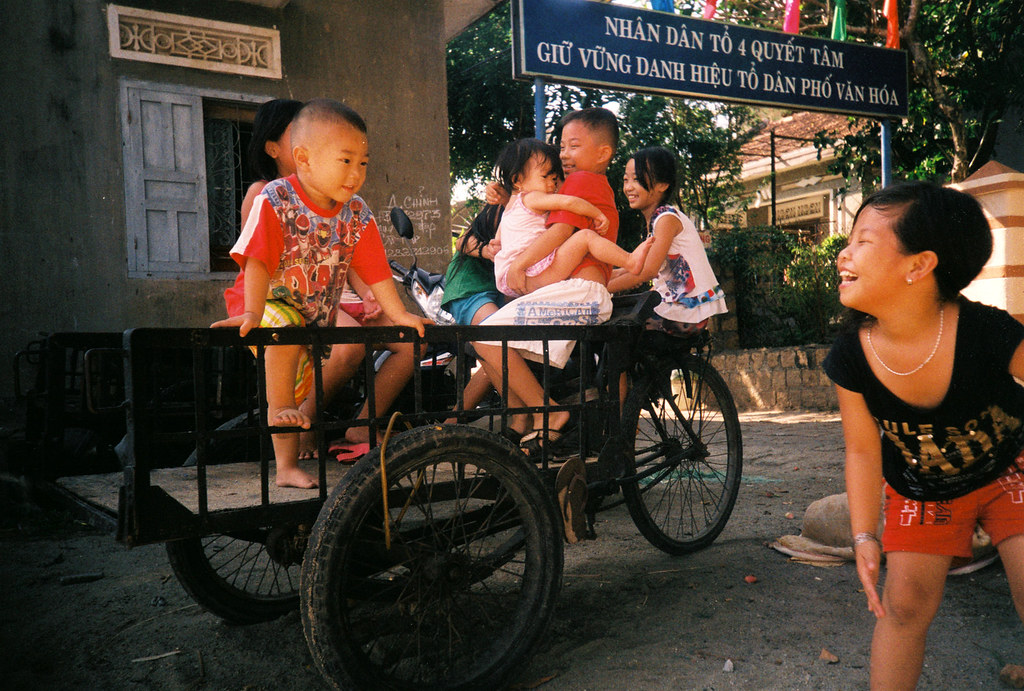
My mother could stretch a pot roast into three different meals. My father fixed everything himself because calling a repairman wasn’t in the budget. Hand-me-downs were standard issue, not a source of embarrassment.
We didn’t have much, but we learned to make do with what we had.
This resourcefulness wasn’t a character-building exercise. It was survival. But it instilled something valuable: the understanding that creativity often emerges from constraint. When you can’t simply buy a solution, you invent one.
Research now confirms what my generation learned by necessity: people develop stronger problem-solving skills and adaptability when they can’t always get what they want immediately. Constraint forces innovation in ways that abundance never does.
8) We learned by doing, not by being tol

My father didn’t lecture me about the value of hard work. He showed me by example, leaving before dawn and returning after dark, never complaining. I watched my immigrant grandparents build a life from nothing, their actions speaking louder than any advice they might have offered.
Values were transmitted through observation rather than instruction. We watched adults navigate difficulties, make decisions, treat others with respect or disrespect, and we absorbed those lessons unconsciously.
Psychologists call this modeling, and it remains one of the most powerful forms of learning. The lessons that shaped my character weren’t taught in formal settings. They were caught through countless small moments of watching adults live their lives.
I’ve tried to remember this with my own grandchildren. My actions matter far more than my words. How I treat their grandmother, how I handle frustration, how I respond to setbacks, these are the real lessons I’m teaching.
9) Community was a safety net
 Every adult in my neighborhood had implicit permission to correct any child’s behavior. Mrs. Patterson next door would scold us for cutting through her garden. Mr. Jenkins would tell our parents if he caught us doing something dangerous.
This wasn’t surveillance. It was community.
We grew up understanding that we were part of something larger than our individual families. There were shared expectations, shared responsibilities, shared investment in how the next generation turned out.
That sense of interconnection has largely evaporated. But those of us who experienced it understand something about human flourishing that isolation can never provide. We’re social creatures who thrive when embedded in webs of mutual obligation and support.
Final thoughts
I’m not suggesting we return to the past. Many things about childhood in the 1960s and 70s were problematic, and I wouldn’t want to erase the progress we’ve made in understanding child development, safety, and emotional wellbeing.
But something valuable got lost along the way. The space to be bored. The permission to fail. The trust that children can handle more than we give them credit for.
These lessons shaped a generation that, whatever our flaws, learned to navigate uncertainty without constant guidance. We developed resilience not through programs designed to build it, but through the lived experience of a world that demanded it.
Perhaps the question isn’t whether we can recreate those exact conditions. Perhaps it’s whether we can find new ways to teach the same essential lessons: that difficulty builds strength, that patience pays dividends, and that children are far more capable than our anxious supervision suggests.
What lessons from your own childhood have served you well?
Original:https://geediting.com/d-psychology-says-people-who-grew-up-in-the-1960s-and-70s-learned-9-life-lessons-that-are-rarely-taught-today/