admin
admin 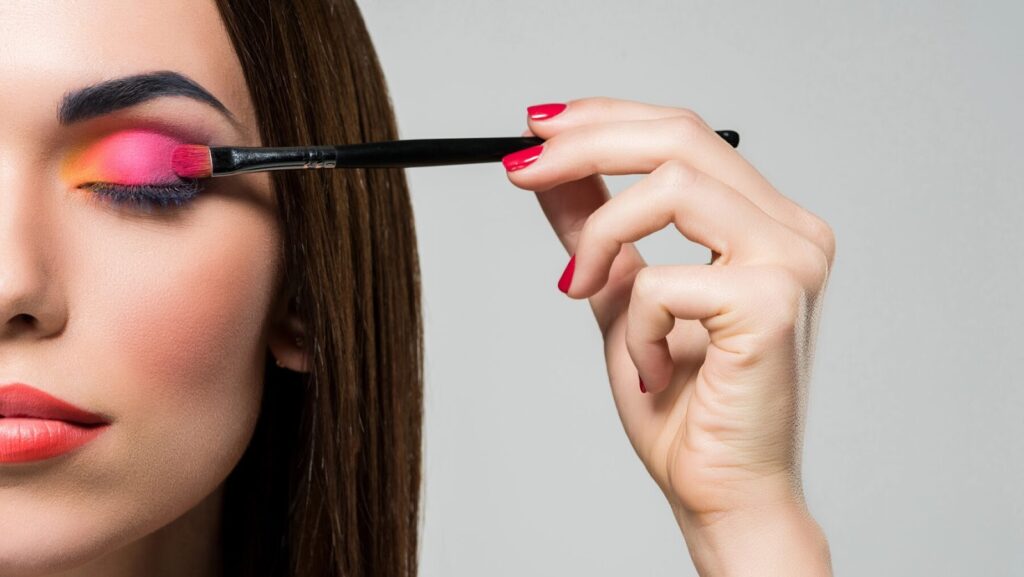
Are there toxins in cosmetics ? The risks hidden in some commonly used cosmetic ingredients are on everyone’s lips: parabens, triclosan, various allergens … some ingredients in cosmetics may be dangerous .
By Sandra MG
Published on: June 4, 2025 at 4:28 PM
To live a healthy life , we need to maintain an exercise routine, take care of our mental health, eat properly, and pamper our bodies . To do this, we need to carefully choose the cosmetics we use and avoid toxins.
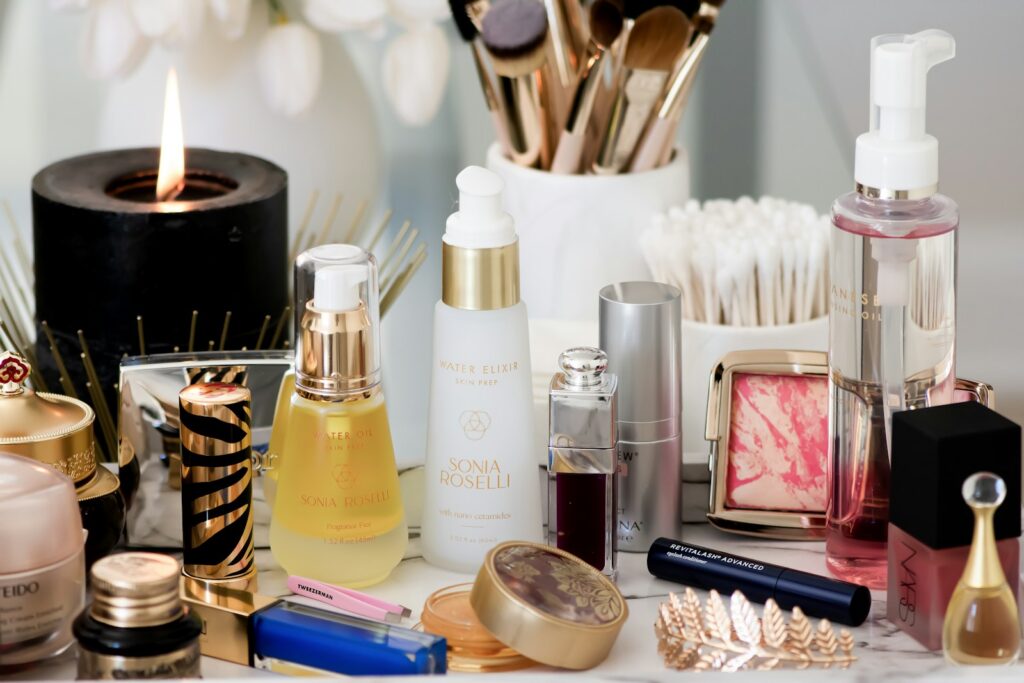 It’s important for everyone to be aware that mineral oil can contain carcinogens . And that sodium lauryl ether sulfate is so toxic that it requires protective equipment to handle (and it’s in our toothpaste).
They should also know that propylene glycol penetrates the skin and causes liver and kidney damage (and it’s found in shampoo). Or that deodorants contain antifreeze and talcum powder can cause ovarian cancer.
Natural and organic cosmetics , which lack the corresponding quality certifications , can also contain dangerous chemicals. This is because they are seemingly considered “safe” by the authorities that regulate these products. The serious problem is that many of these chemicals, while known to be potentially harmful, have not yet been thoroughly studied for their effects.
Phthalates
They are used as plasticizers and solvents. And they can be found in perfumes, hair products, skin lotions, nail polishes, and nail hardeners . In general, anything that requires artificial fragrances could contain phthalates.
The endocrine effects are presumed to range from “concerning” to severe . They have been linked to endometriosis, precocious puberty in girls, reproductive organ abnormalities, and reduced fertility in men. They may also affect the thyroid gland.
Parabens
 Parabens are preservatives used in many cosmetic and personal care products , with methylparaben being the most common. Laboratory tests and tissue cultures have found that parabens can cause endocrine disruption.
In fact, the Danish government, as a precautionary measure, has banned the use of certain parabens , such as propylparaben and butylparaben, in products marketed for children up to three years old, as they can be particularly vulnerable to their effects.
Talcum powder
The link between talcum powder and ovarian cancer has been suspected for many years, because it is biologically plausible that talc applied to the genital area could reach the fallopian tubes and cause inflammation, which in turn could lead to ovarian cancer. 10 toxic substances: present in traditional cosmetics?
Nanoparticles
Titanium dioxide or zinc oxide found in some makeup and sunscreen products may contain nanoscale particles, which have been linked to cell damage (even at the DNA level) in laboratory studies.
While there is no convincing evidence that they will be absorbed by the body when applied to the skin, some products release powdered minerals that can be inhaled , causing lung problems. They can also potentially travel through the bloodstream to other parts of the body, where their health effects could be extremely harmful.
Formaldehyde
 It is a preservative that can irritate the skin, eyes, nose, and respiratory tract and cause cancer in people with high levels of exposure . Small amounts are permitted for use in cosmetics and it is found primarily in hair straightening tonics and nail polishes and hardeners.
But there are also some products that react by releasing formaldehyde, including DMDM hydantoin, quaternium-15, diazolidinyl urea, and imidazolidinyl urea. People allergic to formaldehyde in general are also allergic to these chemicals, known as “donors.”
Lead acetate
Hair color restorers may contain lead acetate . It appears to be safe when used as directed, as there is no evidence of significant amounts of lead being absorbed into the bloodstream, but as a precaution, its use has been banned in Europe and Canada.
UV filters
 Some chemical components of sunscreens , including the widely used methoxycinnamate, octyl (also called OMC or methoxy ethylhexyl cinnamate), as well as camphor, 4-methylbenzylidene (4MBC), homosalate, and oxybenzone, have been found in some tests and tissue studies to have endocrine-disrupting effects. As a precaution, Denmark has already banned them.
Triclosan
It is a preservative and antibacterial agent found in personal care products , such as antiperspirant, soap, hand sanitizer, and toothpaste, which may have endocrine-disrupting effects. There is also concern that its frequent and prolonged use may contribute to antibiotic resistance in bacteria.
Resorcinol
 It is used as an antiseptic and disinfectant and is found in topical treatments for acne, seborrheic dermatitis, eczema, psoriasis, calluses, and warts, as well as in hair dyes . It can irritate the skin and has been linked to thyroid dysfunction when used in large quantities over a long period. 10 toxic substances found in traditional cosmetics.
Toluene
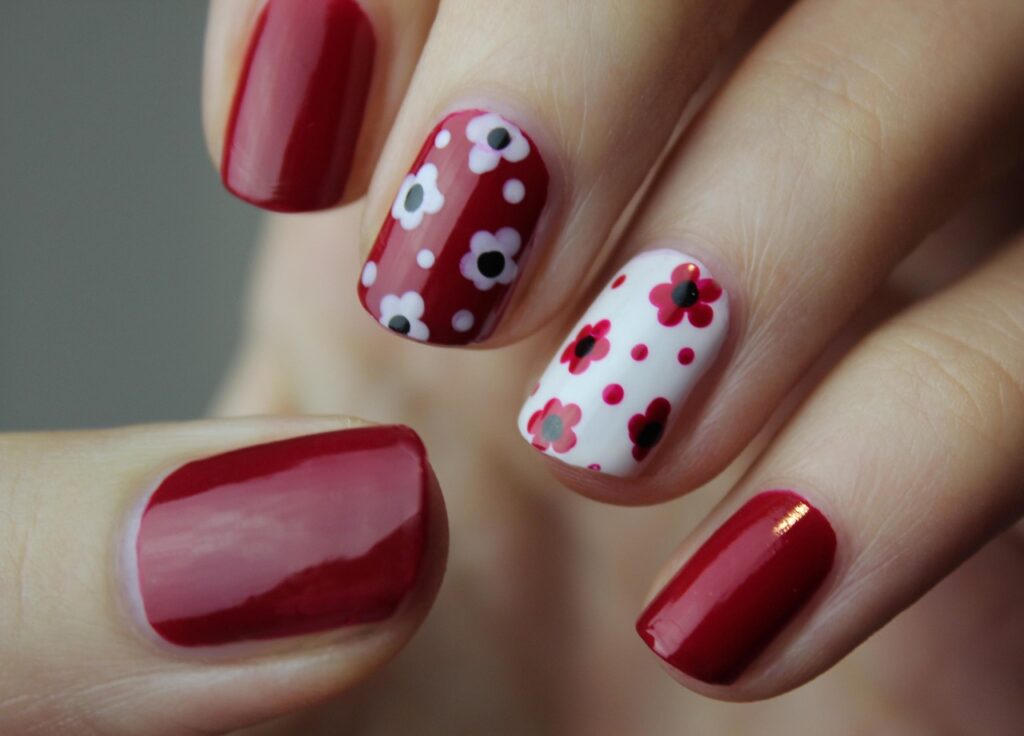 It is found in some nail polishes and can produce short-term neurological effects , such as dizziness, euphoria, hallucinations and headaches, since it is practically the same element that many people with addiction problems inhale from gasoline and glue to “get high”.
Not everything goes
The beauty of the skin, hair and nails, the control of aging, the fight against diseases or epidermal problems and all the reasons why cosmetics are used, are not an obstacle to prioritizing the general health of people.
It’s not just cheap cosmetics that are dangerous, since we don’t know their origin or, in most cases, their ingredients. Some major brands contain elements that are unregulated or prohibited in the countries where they are manufactured . And through various commercial and legal loopholes, these ingredients end up in countries where they would be banned, yet they are sold there anyway.
Without a doubt, the best alternative is organic or eco-friendly cosmetics , which are becoming increasingly easy to find. They deliver the expected results without jeopardizing overall health. In our country, there is a good selection of these types of cosmetics, backed by the corresponding quality certifications. 10 toxic substances: present in traditional cosmetics?
Original:https://www.ecoticias.com/cosmetica-bio/34942910-sustancias-toxicas-presentes-en-los-cosmeticos-tradicionales