admin
admin 
The food system is a key determinant of population and planetary health . As the “one planet, one health” approach gains momentum, assessing “food biodiversity” and its association with mortality in high-risk populations is becoming increasingly important.
By Sandra MG
Published on: August 6, 2025 at 4:10 PM
In this study, scientists evaluated the associations that may exist between dietary diversity and the risk of mortality , from all causes and from specific causes, in a group of older adults with high cardiovascular risk in Spain.
Food biodiversity, the elderly and longevity
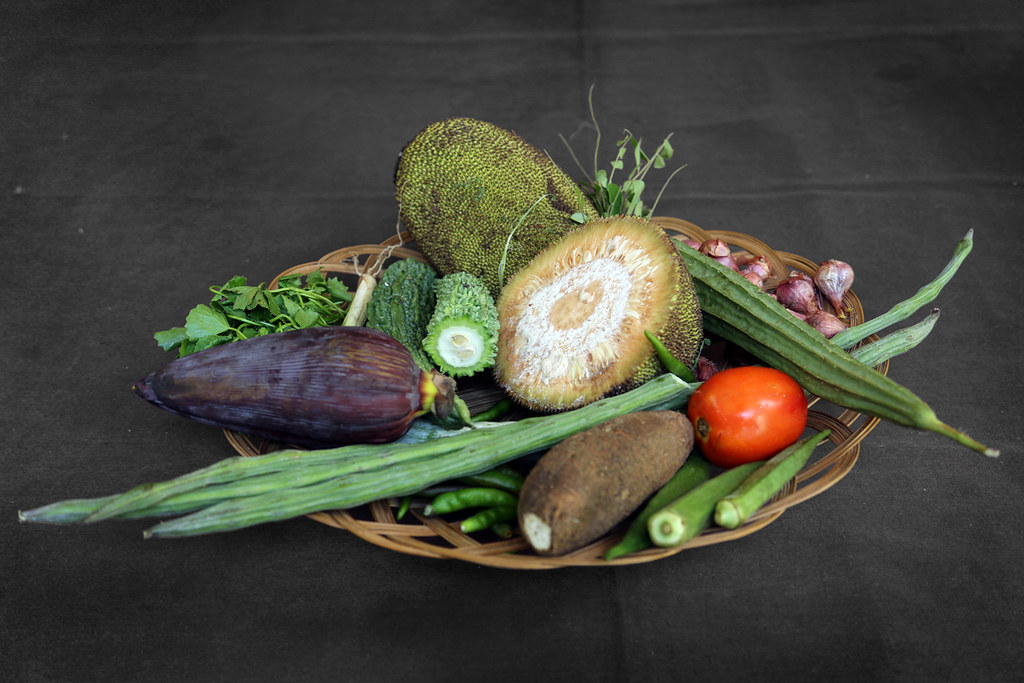
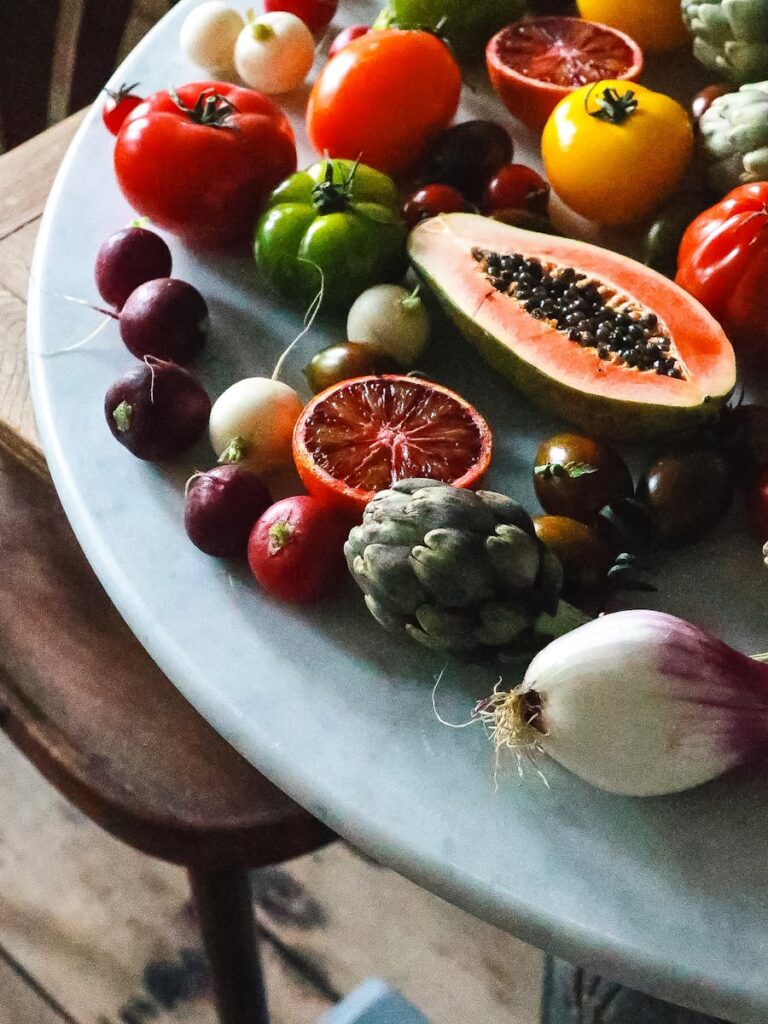 Food biodiversity, understood as the variety of different species that make up the usual diet, may play a key role in preventing chronic diseases and promoting longevity. This is suggested by data from a study recently published in the journal Science of the Total Environment , led by the Food, Nutrition, Development and Mental Health Group (ANUT-DSM) of the Rovira i Virgili University (URV) and the Pere Virgili Health Research Institute (IISPV), within the framework of the PREDIMED project.
The study analyzed the eating habits and different health parameters of more than 7,200 people between 60 and 80 years old with high cardiovascular risk, who were followed for an average of six years.
Using validated dietary questionnaires and advanced statistical tools, the research team assessed the number of different species consumed using a new indicator called Dietary Species Richness (DSR) , which estimates the number of different animal and plant species included in the usual diet. Subsequently, mortality risk was assessed based on this indicator.
Promising results
The results suggest that people who consumed a greater diversity of species had a significantly lower risk of dying from any cause . Specifically, for each additional species consumed regularly, the risk of overall mortality decreased by 9%, the risk of cardiovascular disease by 7%, and the risk of cancer by 8%.
According to Sangeetha Shyam, a Miguel Servet researcher at IISPV and lead author of the study, “it shows that it is not only the type of food we eat that matters, but also the variety of species we include in our diet . A more biodiverse diet is associated with better health and greater longevity.”
 The results also indicate that this association between dietary biodiversity and mortality was independent of the nutritional quality of the participants’ diets . For example, not all participants who adhered well to the Mediterranean diet had a highly diverse diet, and vice versa.
The mechanisms that may explain these associations do not yet have a clear scientific argument, but researchers point to the fact that diets highly rich in animal and/or plant species may contain a wider range of nutrients and beneficial compounds, in addition to promoting a healthier gut microbiota
The study was made possible through the collaboration of multiple institutions and researchers from the PREDIMED consortium. The work was led by the ANUT-DSM Food, Nutrition, Development and Mental Health research group from the Rovira i Virgili University, the IISPV, and the CIBERobn of the Carlos III Institute.
Dietary diversity was defined by dietary species richness, that is, the number of unique plant and animal species consumed by an individual. Greater biodiversity was associated with lower mortality in older Spanish adults. Scientists have concluded that improving dietary biodiversity could increase longevity in high-risk individuals .
Original:https://www.ecoticias.com/vida-saludable/dietas-mayor-diversidad-alimentaria-vida-mas-longeva