admin
admin 
These foods help fight constipation. © Brad, Adobe Stock
by Céline Deluzarche
Published on August 18, 2024 at 07:01,
Modified on December 15, 2025 at 11:34
Approximately 20% of the French population suffers from bowel movement problems. Before resorting to medicinal laxatives, which can irritate the intestines and lose effectiveness over time, there is a natural alternative: certain foods have recognized laxative properties and promote regular bowel movements.
Constipation, a common digestive disorder, is medically defined as fewer than three bowel movements per week, often associated with straining, a feeling of incomplete evacuation, or abdominal discomfort. Far from being a uniform phenomenon, it is divided into two main mechanisms: constipation oftransitOne type of constipation is characterized by slow passage of stool through the colon, while the other is terminal constipation (or dyschezia), linked to difficulty with rectal expulsion. This distinction is essential because it guides the therapeutic strategy and, in particular, the choice of foods to prioritize.
The factors behind this slowing of transit are numerous: an unbalanced diet low in fiber,hydrationinsufficient, lack of activityphysicalChanges in routine or diet, and sometimes certain medications, can all contribute to constipation. Faced with this discomfort, many patients instinctively turn to pharmaceutical laxatives. However, their repeated use can lead to significant side effects, such as irritation of the intestinal lining, tolerance leading to “sluggish bowels,” and a gradual decrease in their effectiveness.
Fortunately, nature offers a gentle and lasting alternative: certain foods, due to their nutritional composition, act as true natural laxatives. Regularly incorporated into the diet, they gently restart bowel movements, improve stool consistency, and restore harmonious intestinal function, without causing addiction or irritation.figFrom dried flax seeds to prunes and green vegetables, these foods target either the stimulation ofperistalsisintestinal, or the increase involumefecal matter and their hydration. Identifying the type of constipation one suffers from allows one to choose the most suitable natural laxatives for a solution that is both effective, physiological and respectful of the digestive balance.
The best-known natural laxative is the prune.
In addition to being rich in fiber (25% of the daily intake for eight prunes), theprune
d’Agen contains dihydroxyphenylisatin, a substance that stimulates intestinal contractions, as well assorbitoland phenolic compounds that have a laxative effect. Prunes are also consumed as juice or pulp. For optimal effect, it is recommended to soak them in a glass of water overnight and consume both the fruit and the soaking water, which will have become enriched with these compounds, on an empty stomach in the morning.nutrientsSoluble. Regular consumption, at a rate of two to three prunes per day, helps maintain a smooth digestive system without causing irritation.
This triple action—mechanical through fiber, stimulating through dihydroxyphenylisatin, and gentle osmotic through sorbitol—makes it an excellent remedy for occasional constipation. For a change of pace and different modes of action, prune juice, which is more concentrated in sorbitol, works primarily by drawing water into the…lightintestinal, while the pulp or whole fruit retains all the insoluble fiber, essential for increasing stool volume. They can be incorporated into the diet in many ways: blended into a smoothie, sliced into ayogurtor in compotes, or incorporated into sweet and savory dishes. For sensitive individuals or those new to prune consumption, it is advisable to start with a small amount (one or two prunes) and gradually increase to allow the digestive system to adapt, while ensuring sufficient hydration throughout the day to enhance the effect of the fiber. Thus, prunes stand out not only as an effective natural laxative, but also as a complete health food, contributing to thepreventionlong-term relief from digestive disorders through a comprehensive nutritional approach.
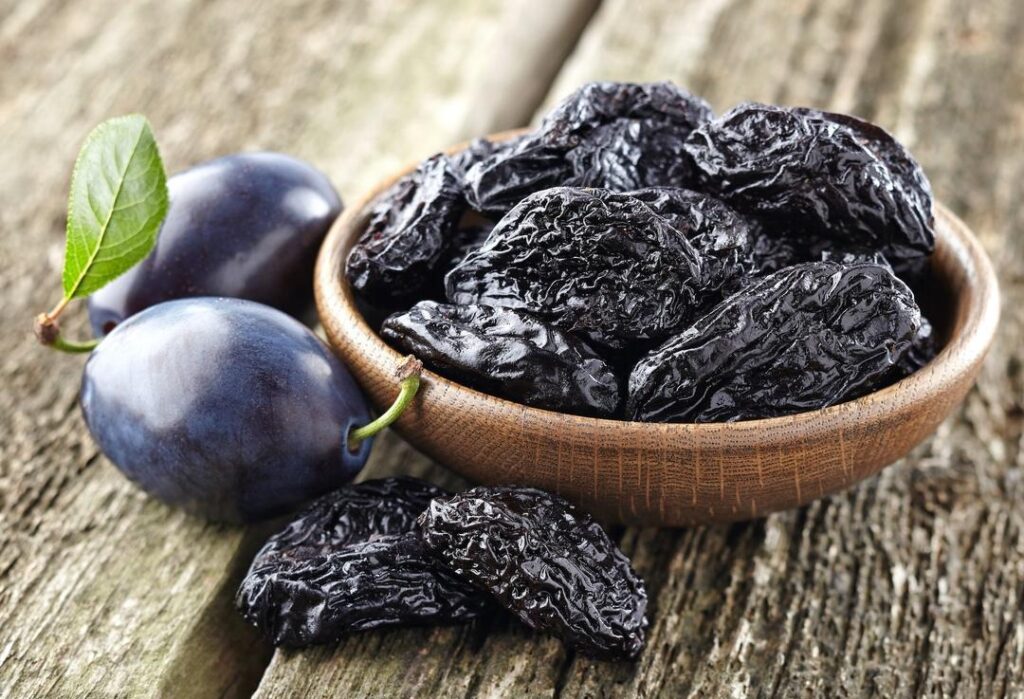
Prunes. © Dionisvera, Adobe Stock
Apple or rhubarb compote
Ripe fruits like apples orpearcontain pectin , an insoluble fiber forming afreezeviscous that slows downabsorptionof certain nutrients. This increases the volume of the fecal bolus and improves stool consistency , making it easier to eliminate. Prioritize therhubarbwhich contains anthraquinone, a naturally occurring laxative. However, due to its potency, rhubarb should be consumed in moderation and primarily cooked. Applesauce, on the other hand, is a gentle remedy suitable for all ages, including children and the elderly whosedigestion

is more sensitive.
Making applesauce is a particularly good idea: cooking softens the fibers, making their action gentler and better tolerated by sensitive intestines, while concentrating their beneficial properties. For apples, choose varieties naturally rich inpectinlike Boskoop or Reine des Reinettes, and consume the compote with the skin on after thorough washing to maximize fiber intake. Rhubarb, on the other hand, requires some precautions: its stalks must be peeled to reduce acidity, and it is recommended not to consume it more than two to three times a week due to the presence ofacidIt contains oxalic acid and has the powerful stimulating effect of anthraquinones, similar to that of some pharmaceutical laxatives. Excessive consumption could indeed lead to intestinal cramps. To soften its effect and tart taste, combine it with apple in a compote. This mixture balances the potency of rhubarb with the regulating sweetness of apple pectin, creating a natural laxative that is both effective and harmonious. A 100- to 150-gram serving of compote at breakfast or after a meal may be enough to provide the desired regularity, making these simple desserts excellent allies for a peaceful digestive system.
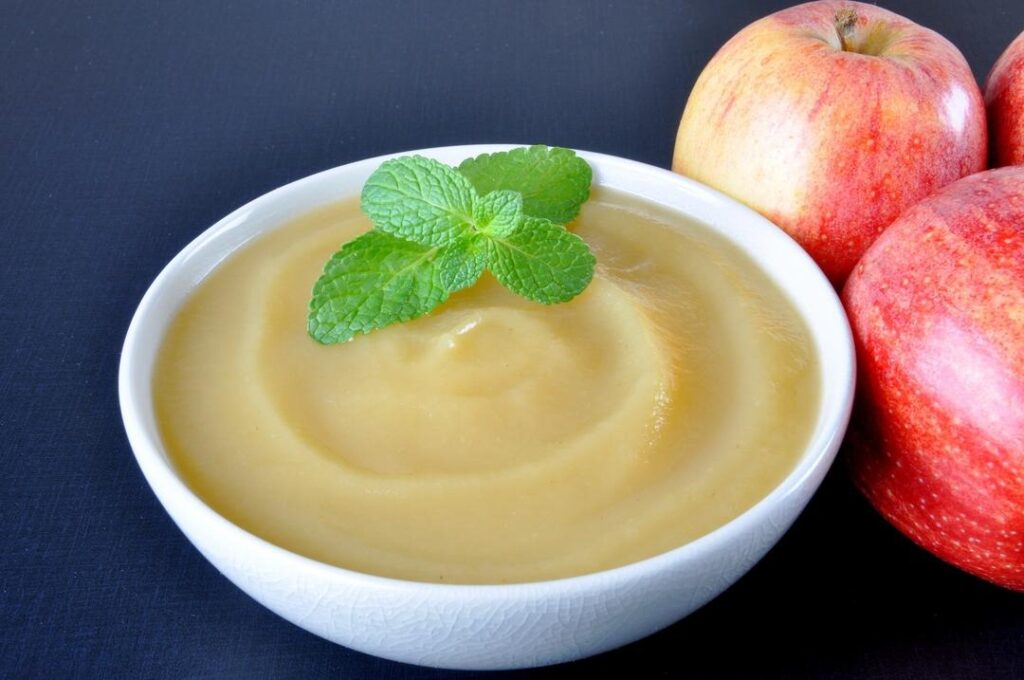
Apple or rhubarb compote. © kmlbak, Adobe Stock
The coffee
Several studies have shown that coffee has a laxative effect. Contrary to popular belief, this is not due to thecaffeineOn the one hand, coffee stimulates the production ofgastrine, ahormonewho regulates themovementscontraction of the distal colon (the part closest to therectum) and increases the production of gastric acid, which accelerates the emptying of the stomach into the intestines. Coffee also increases the synthesis ofcholecystokinin, another hormone that aids digestion. Finally, it promotes “good” bacteriaof the microbiota . However, the laxative effect does not work for everyone. It seems more pronounced when consumed in the morning on an empty stomach, and can occur 20 to 30 minutes after ingestion.ingestionThis effect varies greatly from one individual to another depending on personal sensitivity and the composition of theirmicrobiota
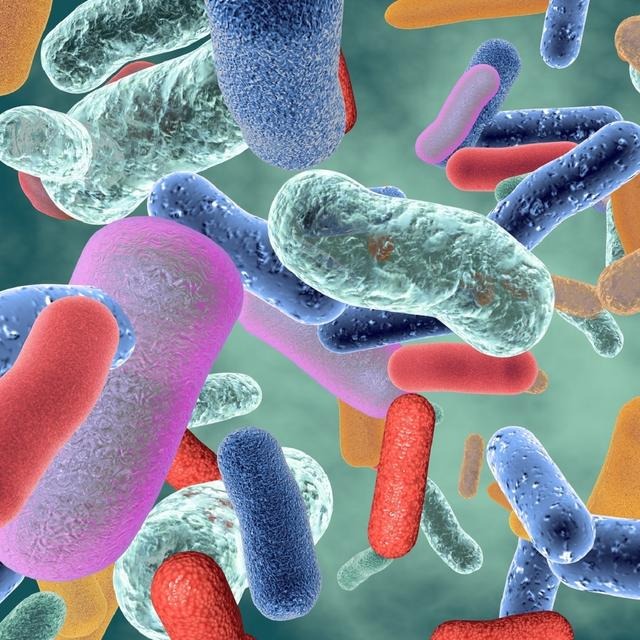
intestinal.
This impact on digestion is a complex physiological response, making coffee a beverage with an interesting modulating role. It should be noted that decaffeinated coffee can produce a similar effect, confirming that other bioactive compounds (such as chlorogenic acids and melanoidins) are involved. To optimize its potential as a natural morning laxative, it is advisable to consume it pure, without added milk, which could slow digestion for some, and with a glass of water for optimal hydration. However, this stimulating effect can diminish with daily and excessive consumption, as the digestive system can partially adapt to this hormonal stimulation. Furthermore, due to its acidity and its action on thesecretionConversely, excessive or isolated consumption of gastric products can cause discomfort in sensitive individuals suffering fromrefluxor irritable bowel syndrome. Thus, while coffee can be a beneficial trigger to restart bowel movementslazyIt is not a long-term solution for chronic constipation. Its use should remain moderate, integrated into a balanced morning routine, and be part of a holistic approach including a diet rich in fiber and good hydration for a lasting effect on bowel regularity.

Coffee. © LF photo, Adobe Stock
Fruit juices and grapefruit
Constipation is often linked to dry stools: when they remain in the colon for too long, the colon reabsorbs the water, leading to hard, dry stools that are difficult to pass. Unfortunately, simply drinking more water is ineffective because the water is eliminated in the urine. Fruit juices contain both fiber (provided you keep the pulp) and water , which allows the water to be retained in the stool and rehydrate it. Grapefruit juice is the most beneficial because it contains naringin, which stimulates colonic secretions. To maximize the benefits, opt for unfiltered, homemade juices or smoothies, which retain all the fiber. A large glass at breakfast can thus act as a truly hydrating and stimulating drink for the digestive system.
This effect ofwater retentionis crucial for softening the stool and facilitating its passage, simply transforming juice into a natural, hydrating laxative.grapefruitPink or red stands out particularly because its naringinin, aflavonoidexerts a choleretic action (stimulating the production ofbile) which lubricates the intestine and can trigger the reflexgastro-colicFor asynergyFor optimal results, you can combine grapefruit juice with other fruits rich in soluble fiber, such as pears or…plum, or to green vegetables such asspinachin a smoothie. However, caution is advised: grapefruit is known to interact with many medications (antihypertensives,statins, immunosuppressants, etc.) by inhibiting theirmetabolismThis can lead to a dangerous overdose. It is therefore essential to consult your medical information leaflet or a doctor.pharmacistbefore consuming it regularly. Furthermore, due to its acidity, it can be irritating to thestomachssensitive individuals or those suffering from gastroesophageal reflux. In this case, opt for milder juices such as pear or…grapesThey are also effective thanks to their sorbitol content. When judiciously incorporated into a balanced diet, a glass of fresh, pulpy juice in the morning represents a simple and pleasant strategy to supplement daily hydration and naturally support intestinal motility.
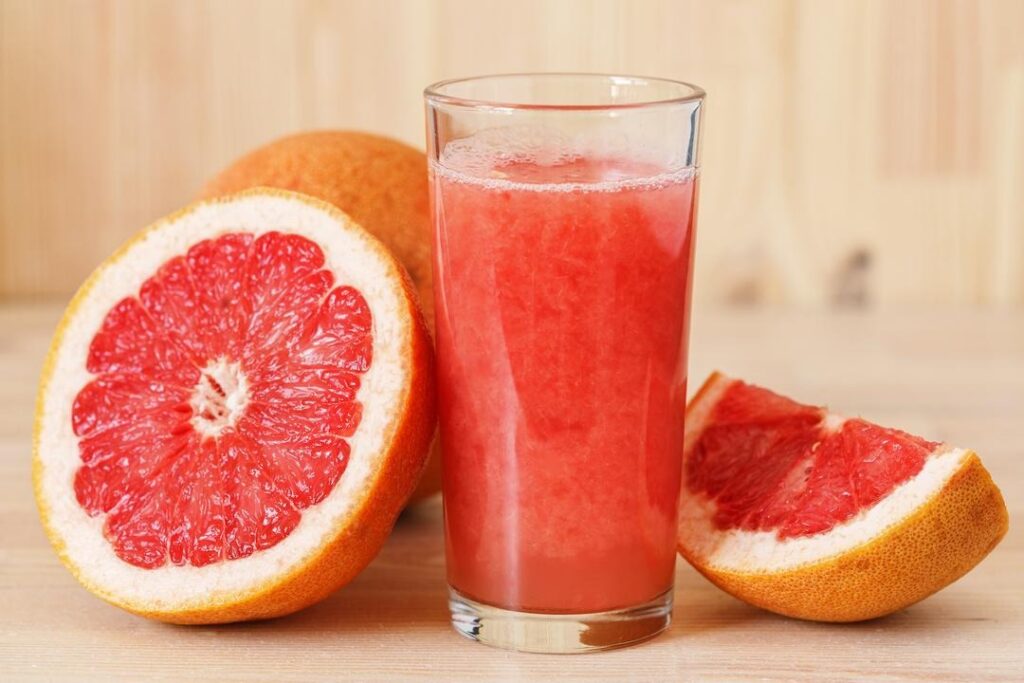
Fruit juices and grapefruit. © Artem, Adobe Stock
Fats
Beware of diets that are too low in fat! Oil, butter, and margarine have an effectlubricantin the intestine, provided they are consumed raw or only slightly heated (at high temperatures, they slow digestion). Olive oil is particularly effective because it has a cholagogue effect (stimulating bile secretion ), which emulsifies dietary fats. A tablespoon of extra virgin olive oil, taken in the morning with a little lemon juice, can thus facilitate bowel movements.lawyersand oilseeds (nut,almonds), rich infatty acidsHealthy foods are another excellent way to incorporate these beneficial fats into your daily diet. A tablespoon of extra virgin olive oil, taken in the morning with a little lemon juice, can facilitate bowel movements. Avocados andoilseeds(Nuts, almonds), rich in healthy fatty acids, are other excellent ways to incorporate these beneficial fats into your daily diet.
This natural lubrication is essential to reduce friction and allow for smooth drainage, making theselipidsof quality, true natural mechanical laxatives. The effect is even more pronounced when these fats are consumed alone or at the beginning of a meal, thus triggering the bile reflex. For olive oil, the traditional combination with lemon juice is a good idea: the acidity of the lemon enhances the cholagogue effect and providesvitamin Ccreating a morning digestive tonic. Beyond this occasional remedy, regularly incorporating these healthy fats into your diet is essential. Prioritize themonounsaturated fatty acids
(olive oil, avocado,hazelnuts) and polyunsaturated fats rich inomega-3(linseed oil, walnuts, seeds ofchia), which also possess propertiesanti-inflammatoriesbeneficial for the intestinal lining. Ground flax seeds, for example, perfectly combine fiber with amucilagelubricant and essential fatty acids. However, maintaining a quantitative balance is crucial, as an excess of lipids, even healthy ones, can actually slow gastric emptying and make digestion more difficult. A reasonable portion, such as half an avocado or a small handful of nuts per day, is enough to obtain the beneficial effect without discomfort. Thus, far from being enemies of digestion,materialsQuality fats, used judiciously, are valuable allies in restoring a smooth and natural intestinal function.

Fats © Dušan Zidar, Adobe Stock
Whole grains
The bran or outer layer of whole grains (rice, pasta, bulgur, etc.) contains most of the vitamins and insoluble fiber. Undigested, this fiber swells in the presence of water and increases stool volume. It also stimulates intestinal contractions. However, it is less effective than insoluble fiber against constipation and is less well tolerated. It is necessary to increase its consumption very gradually and drink plenty of water at the same time to avoid the opposite effect of bloating and constipation. Start by replacing half of thecerealsRefining them by using their full version is a winning strategy to gently accustom the intestine.
It is important to note that their mechanical action, like an “intestinal broom,” makes them a natural, long-lasting laxative, particularly suitable for atonic constipation (slow transit). To get the most benefit, vary the sources:oatsand thebarleyare interesting because they also contain soluble fiber (beta-glucans) which form a softening gel, while the sound ofwheatIt is highly concentrated in insoluble fiber and acts more quickly. Hydration is key to its effectiveness: without sufficient water intake (at least 1.5 liters per day), these fibers can form a blockage and worsen the situation. For people with very sensitive colons or suffering fromirritable bowel syndrome(IBS), it may be preferable to initially opt for semi-whole grains, or to favor gentler fiber sources such asquinoaFinally, their wealth inmineralsand B vitamins make them much more than just a temporary regulatory tool: when integrated sustainably into the diet, they contribute to the overall health of the microbiota and the long-term prevention of digestive disorders. A gradual transition over several weeks allows theintestinal florato adapt and fully benefit from this essential digestive ally.
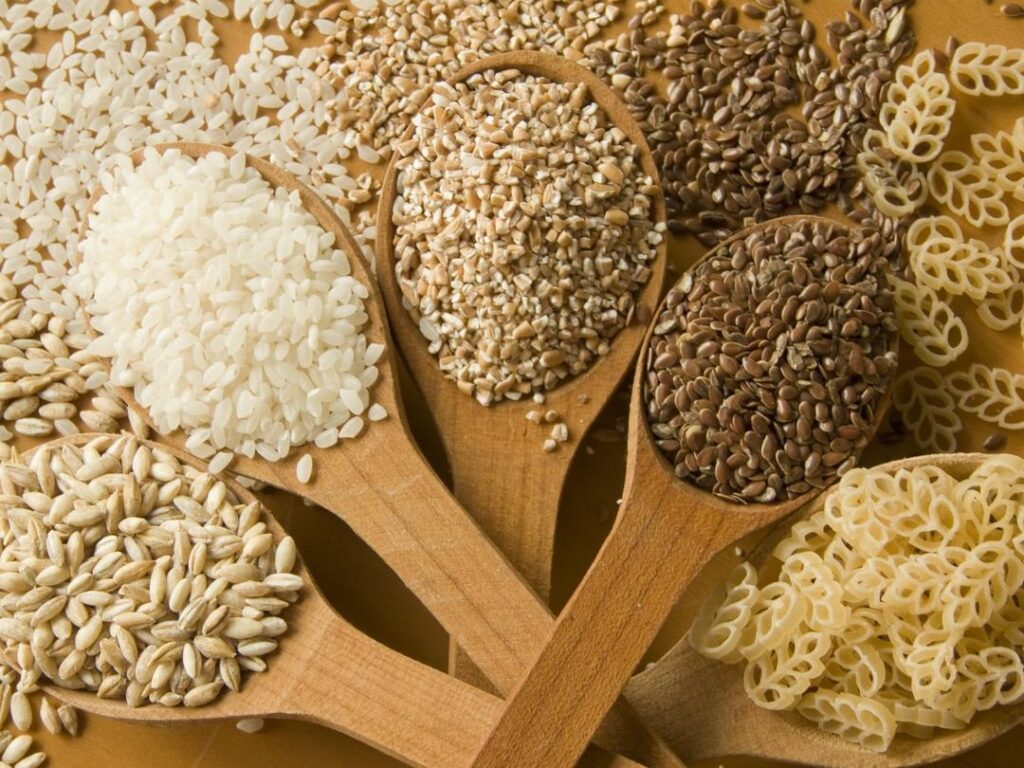
Whole grains © AGfoto, Adobe Stock
Yogurt
Yogurts and fermented milks contain probiotics that balance the gut microbiota. Several strains, such as Bifidobacterium infantis , Bifidobacterium lactis , Lactobacillus acidophilus , and Saccharomyces boulardii, have been shown to promote intestinal contractions. The lactose in dairy products also has a mild laxative effect. For real benefit, consumption should be regular (one to two yogurts per day), and it’s best to choose plain, unsweetened products.fermentsare still alive. They act by restoring the balance of the flora, an essential pillar of harmonious digestion and transit.
This regulatory action makes it an indirect but fundamental natural laxative, treating the cause rather than just the symptom.symptomby improving the intestinal environment. To maximize the effects, it is advisable to consume them between main meals, for example at breakfast or as a snack, so that the beneficial bacteria can more easily pass through the stomach and colonize the colon. Whole-milk yogurts are often better tolerated than skimmed versions, as the fats they contain help lubricate the digestive tract. For people intolerant tolactoseYogurts generally remain a viable option because the live cultures have pre-digested much of thissugarOther fermented foods such as kefir (which has a greater diversity of strains), raw sauerkraut, or miso can complement this approach.probioticIt is important to note that the effects on digestion may take several weeks of regular consumption to fully manifest, as the gut flora needs time to rebalance. In synergy with a diet rich inprebiotics(like the fibers in fruits, vegetables and whole grains that feed these good bacteria), yogurt is thus a cornerstone of a sustainable and gentle digestive strategy, promoting both the frequency and quality of stools in the long term.

Yogurt. © Chantal, Adobe Stock
Dried figs and apricots
Dried figs and apricots are very rich in fiber (between 10 and 13 g per 100 g), making them natural laxatives. These fruits are also rich in potassium , of which adeficiencyThey can cause constipation. They can be eaten as is or as fig paste sold in pharmacies. Like prunes, they can be rehydrated for a gentler effect. Incorporate them into your snacks, compotes, or desserts to benefit from their natural sweetness and digestive properties. A serving of 3 to 4 dried fruits per day is usually enough to notice an improvement.
Their action relies on a dual mechanism: insoluble fibers increase stool volume, while soluble fibers (notably pectin in theapricots) form a gel that hydrates them and facilitates their glide. Their high content ofpotassiumis a major advantage, as this electrolyte is essential for the proper contraction ofsmooth musclesof the intestine; natural supplementation via these fruits can thus stimulate sluggish peristalsis. For optimal action and better tolerance, rehydration is an excellent practice: soak 3 to 4 fruits in a glass of water overnight. The next morning, consume both the soaking water, enriched with minerals and osmotic sugars, and the softened fruits on an empty stomach. Fig paste, which is very concentrated, is particularly useful in cases of more stubborn constipation; a small teaspoon may suffice. Due to their high concentration of natural sugars (fructoseAndglucose) and their caloric content, it is recommended to consume them in moderation, especially for peoplediabeticsor monitoring their weight. When incorporated judiciously, these ancient dried fruits offer a natural laxative solution that is nutritious, energizing and effective, perfect for a healthy snack that takes care of digestion.
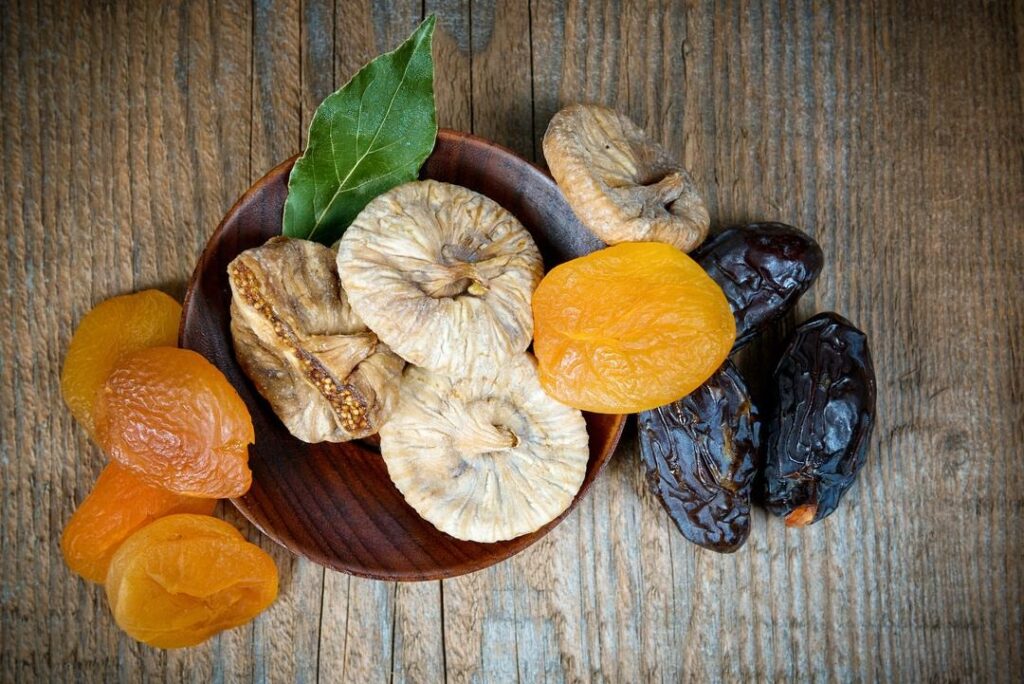
Dried figs and apricots. © giulianocoman, Adobe Stock
What foods should be limited in case of constipation?
While some foods facilitate digestion , others have the opposite effect.astringentwhich can slow down or block bowel movements. When you suffer from constipation , it’s important to identify these constipating foods in order to moderate your consumption, without necessarily eliminating them completely from your diet. This period of temporary restriction allows the intestine to rebalance and regain its natural rhythm before a gradual reintroduction of the offending foods.
The main foods that slow down digestion
- White rice: low in fiber afterrefiningit has an effectbinder”Well known, especially when overcooked. Opt for wholegrain or semi-wholegrain rice to retain fiber. As part of an anti-constipation diet, it may be wise to temporarily replace it with other…”starchy foodssuch as quinoa or wholemeal pasta, which have a more interesting fiber profile.
- THEcarrotsCooked carrots: While raw carrots provide beneficial fiber, cooking alters their structure and releases pectin, a soluble fiber with astringent properties. Consumed in large quantities as a purée or very smooth soup, they can indeed slow down digestion. Choosing them raw and grated reverses these effects.
- TherebananaEspecially when it is not fully ripe, it containsstarchResistant, which slows down digestion. Ripe bananas (with brown spots) are better tolerated. At this stage, some of the starch has been converted into more digestible simple sugars, and its soluble fiber content, such as pectin, becomes beneficial for digestion.
- Quince: naturally rich intanninsThis fruit possesses propertiesantidiarrhealsrecognized, but constipating for sluggish bowels. It should therefore be avoided in all its forms (paste, jelly, cooked fruit) during an episode of constipation, but can prove useful in cases ofdiarrhealight.
- Grated raw apple: theoxidationGrated apples release astringent tannins. Eaten whole, peel and all, they are, on the contrary, beneficial for digestion thanks to their insoluble fiber. This striking difference illustrates how the form in which a food is consumed can radically alter its impact on digestion.
- Chocolate and thecocoaRich in tannins, they can slow down theintestinal transitEspecially dark chocolate with a high cocoa content (70% and above). If you are prone to constipation, it may be helpful to temporarily reduce your consumption and observe whether a noticeable improvement occurs.
The balanced approach
These foods also possess numerous nutritional qualities (vitamins, minerals,antioxidantsThe goal is therefore not to ban them permanently, but to temporarily reduce their frequency and portion sizes during episodes of constipation. Once your bowel movements are regulated , you can gradually reintroduce them into a varied and balanced diet.
The key lies in listening to your body and personalizing your plate: observing the reactions of your own digestive system remains the best guide to building a diet that promotes lasting intestinal comfort.
Original:https://www.futura-sciences.com/sante/questions-reponses/remede-naturel-laxatifs-naturels-decouvrez-8-aliments-constipation-12965/