admin
admin 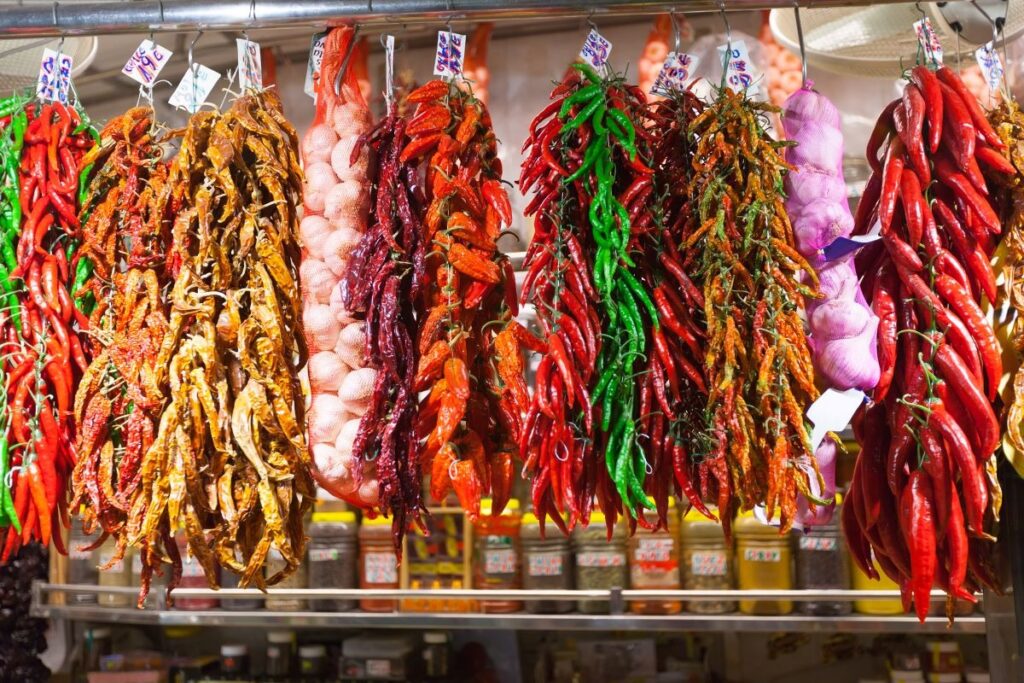
By Imanol RH
Published on: August 7, 2025 at 3:20 PM
It is possible that the inhabitants of Sichuan province, a people who are very fond of spicy and hot foods , unknowingly kept an important health secret, which thanks to research has been made known to the whole world.
For 21 years, more than 50,000 residents of Sichuan participated in a study that has revealed that people who regularly eat spicy food have a significantly lower risk of developing cardiovascular and cerebrovascular diseases , compared to those who rarely or never eat spicy food.
Capsaicin: the active compound in chili peppers
A study conducted in  has detected a possible link between regular consumption of spicy foods and a lower incidence of cardiovascular and cerebrovascular diseases. The research, recently published in the Chinese Journal of Epidemiology, analyzed data from more than 50,000 residents of Pengzhou, Sichuan, a Chinese province known for its chili-rich cuisine, over a period of 21 years.
The research team, composed of experts from Chengdu Medical College, the provincial capital, and several disease prevention centers in the region, started with surveys initiated in 2004 and assessed factors such as the frequency of chili consumption, the preferred grade, the usual forms of consumption, and the age at which chili was regularly incorporated into the diet .
According to the study, people who eat spicy food six or seven times a week have an 11% lower risk of cardiovascular and cerebrovascular diseases than those who rarely include it in their diet. The data also suggest a 14% reduction in the likelihood of developing ischemic heart disease, a 12% lower risk of cerebrovascular diseases, and a 15% lower risk of ischemic stroke.
Regarding the level of spiciness, those who prefer a moderate flavor would, according to the analysis, have a 14% lower probability of developing these diseases, compared to 9% of those who like intense spice and 7% of those who opt for mild flavors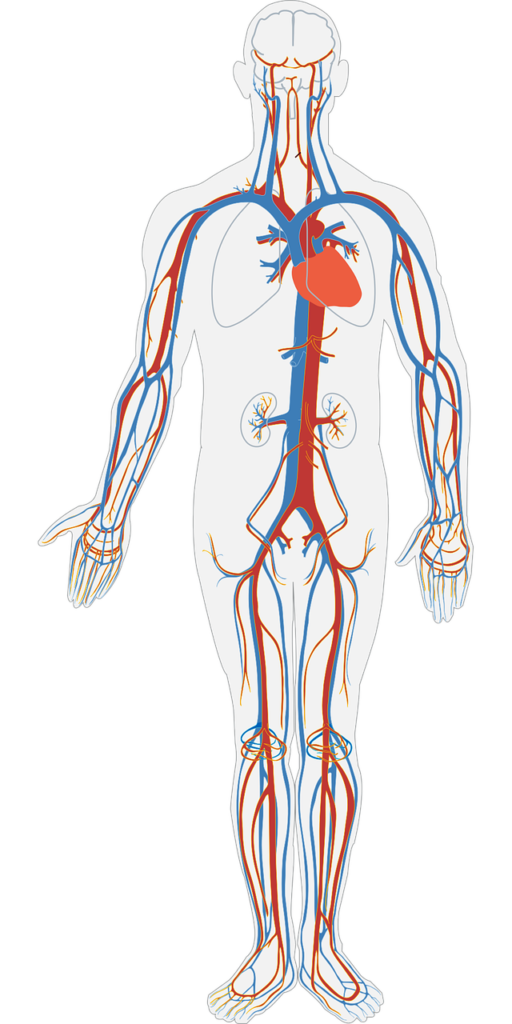
The researchers pointed out that the mechanisms behind these associations have not yet been identified with certainty, partly due to a lack of data on exact amounts consumed, daily frequency, or individual tolerance to spiciness.
However, the study observed that the benefits appear regardless of how the is consumed, whether fresh, dried, in oil, or in sauces. This finding aligns with previous research in China that highlighted the role of capsaicin in dilating blood vessels and reducing blood pressure.
Scientists conclude that, while the findings suggest that eating spicy food is helpful in preventing cardiovascular and cerebrovascular diseases , there is currently no evidence that this type of food can reverse pre-existing medical conditions.
Original:https://www.ecoticias.com/vida-saludable/consumo-habitual-alimentos-picantes-previene-enfermedades-cardiacas