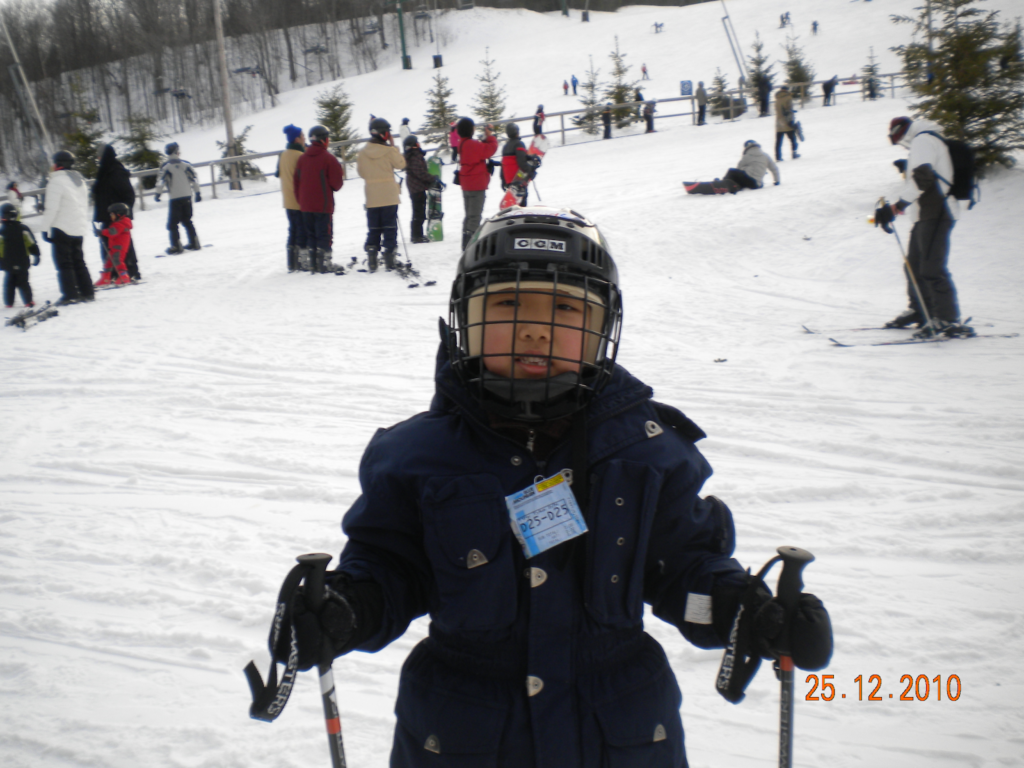
Taking advantage of the unprecedented snowstorm that forced the University of Toronto to close, my son and I went skiing
 admin
admin 
By NatMed January 16, 2026
Yesterday morning, I was lying in bed when I heard my son come downstairs, and then there was silence. Usually, it’s just the garage door opening, followed by the roar of the engine, and then the noise fades away. When I got up and opened the door, wow, the snow outside was nearly a foot deep, and the snow outside seemed endless. The weather forecast predicted 30-40 centimeters of snowfall, and schools would be closed. School closures are commonplace, but university closures are indeed rare. According to the news, this is unprecedented for the University of Toronto’s Downtown campus; in over a century, it has never closed due to weather. A former alumnus found that after an unprecedented blizzard on January 14, 1999, the City of Toronto requested military assistance for snow removal, but the University of Toronto continued classes without interruption.
Because of the recent warm, spring-like weather, most of the snow on the streets had melted, and although my son had bought a Blue Mountain season pass, he hadn’t skied much. So, my wife suggested that we take advantage of this rare opportunity and go skiing at nearby Lake Ridge. That was a great idea. So we got our gear ready, sped up, and drove through the snow-covered driveway, which was a foot deep, toward the ski resort.
Since the government had already cleared the snow, the road conditions were good.
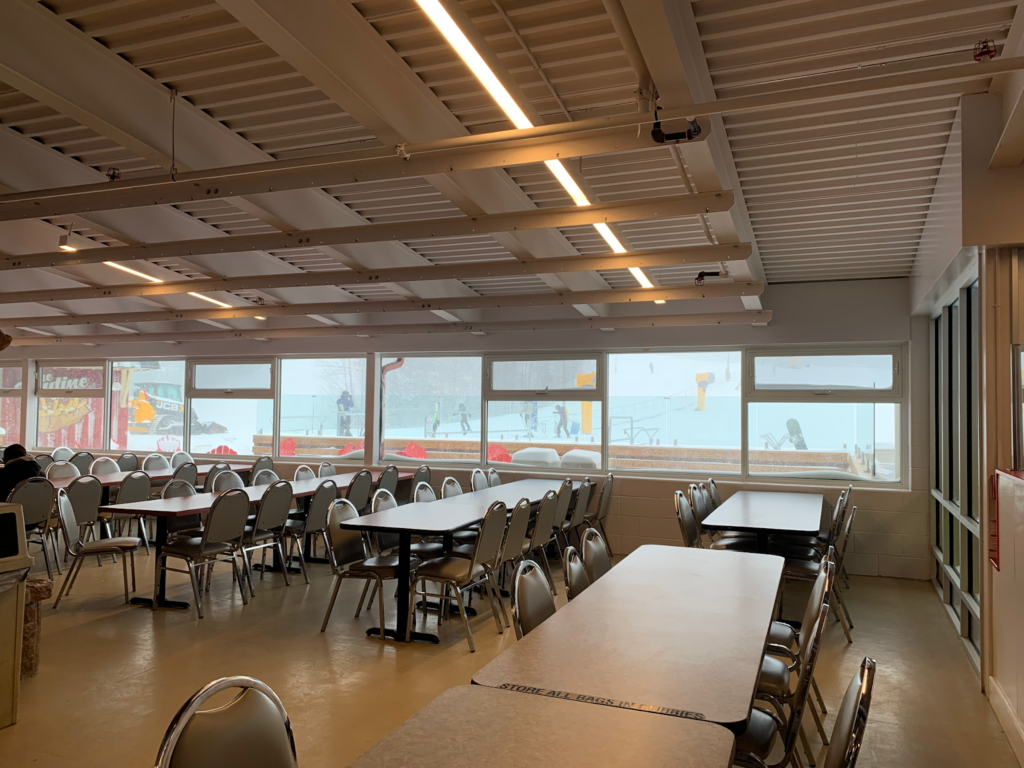
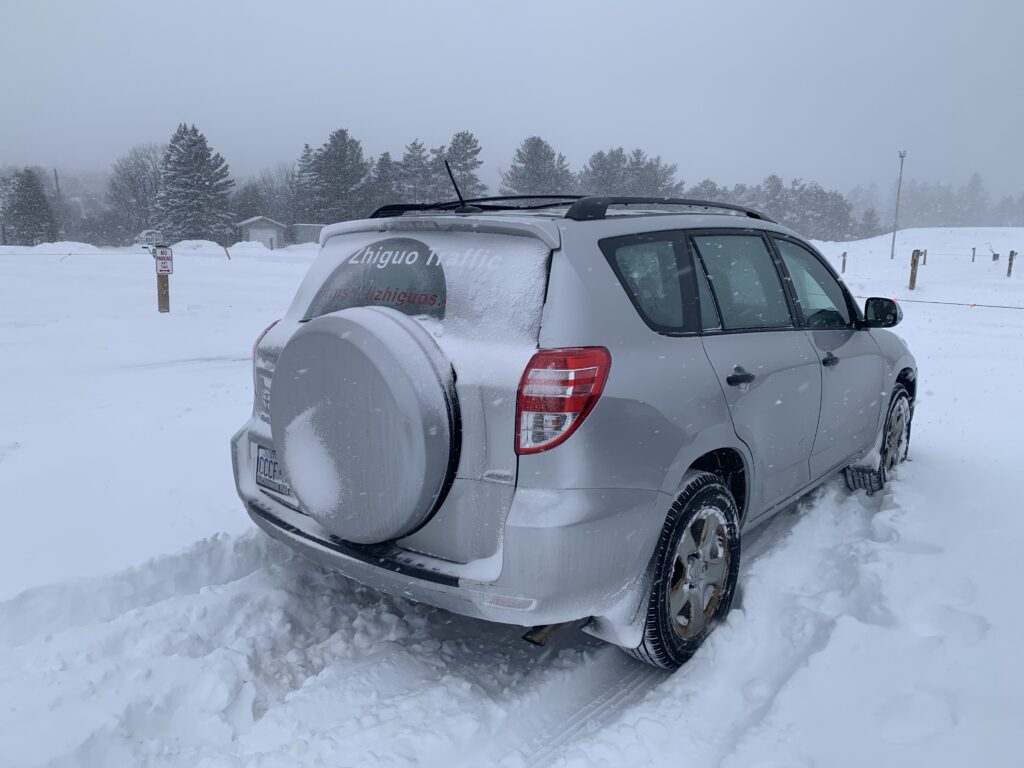
Several tens of minutes later, we arrived at the parking lot, which was covered with a thick layer of snow. Opening the car door, a biting gust of wind hit us, making us shiver. The forecast was -13 degrees Celsius, but with the wind effect, it felt like -24 degrees Celsius. Entering the lounge, we found it almost empty, with only a few people. There were only a few skiers on the slopes, and the chairlifts were readily available – a truly VIP experience. The ski resort had two chairlifts operating today: one on the west side, slower and sheltered from the wind; the other on the east side, faster and directly facing the wind. As we sat down, the biting wind felt like knives cutting our faces, and we quickly became numb and lost all feeling, even struggling to speak clearly.
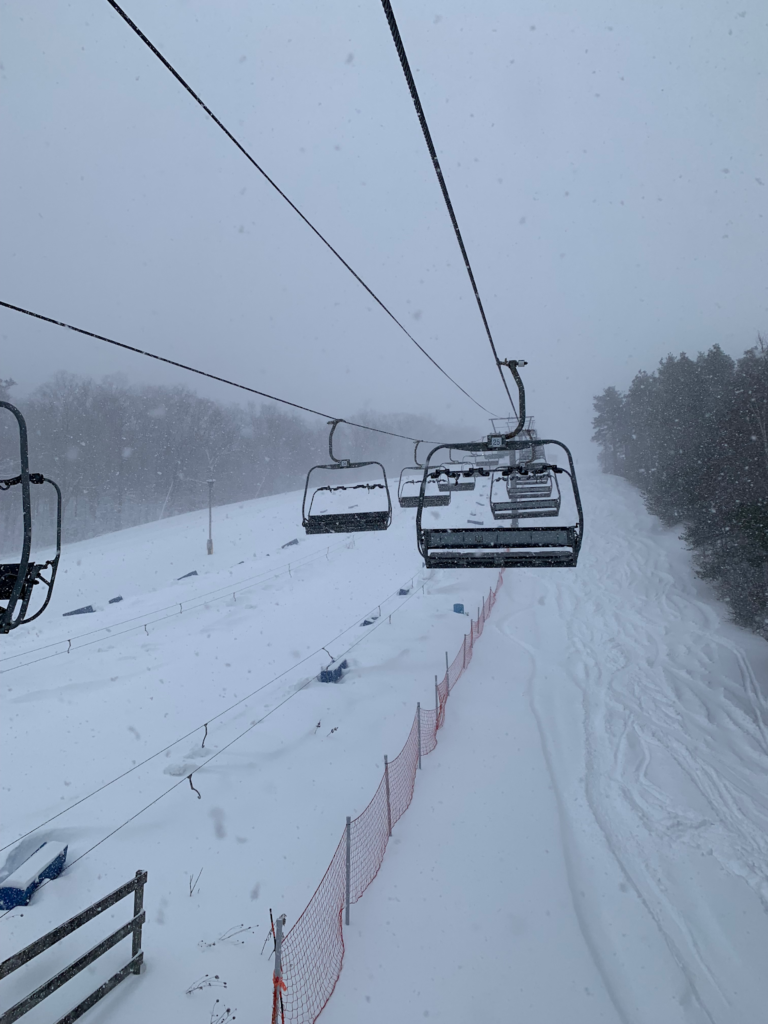
We reached the summit, where the slopes were covered in thick snow. My son was eager to try, but I was hesitant. It had been years since I’d skied, and my body was stiff. I stretched a few times, then followed my son downhill. After only a dozen meters, my clumsy movements and the thick snow made it difficult to move my skis. “Thump!” I tumbled like a thrown weight, rolling several times before finally coming to a stop, kicking up a cloud of white mist. The snow almost buried me; I was covered from head to toe, my glasses completely obscured, making it impossible to see. Although I looked disheveled, with snow in my neck that felt slightly cold, it felt good—like falling into a pot of sugar, not too uncomfortable. My son, standing beside me, was laughing so hard he almost choked, like he was watching a circus act. I sat up, adjusted my position, and tried several times to stand, but couldn’t. It felt like my feet weren’t on my body, and the skis were completely useless. After struggling for a while, I finally staggered to my feet, brushed the snow off myself, and tried to clear my vision, but it was still blurry. I had to take off my glasses to see the blurry scene. The wind was blowing fiercely, so I had to take off my gloves and use my fingers to clear the snow from my lenses, which had frozen into tiny icicles—water droplets freeze instantly. Just then, my son handed me ski poles, which I took, pushed off with them, and we continued sliding down.
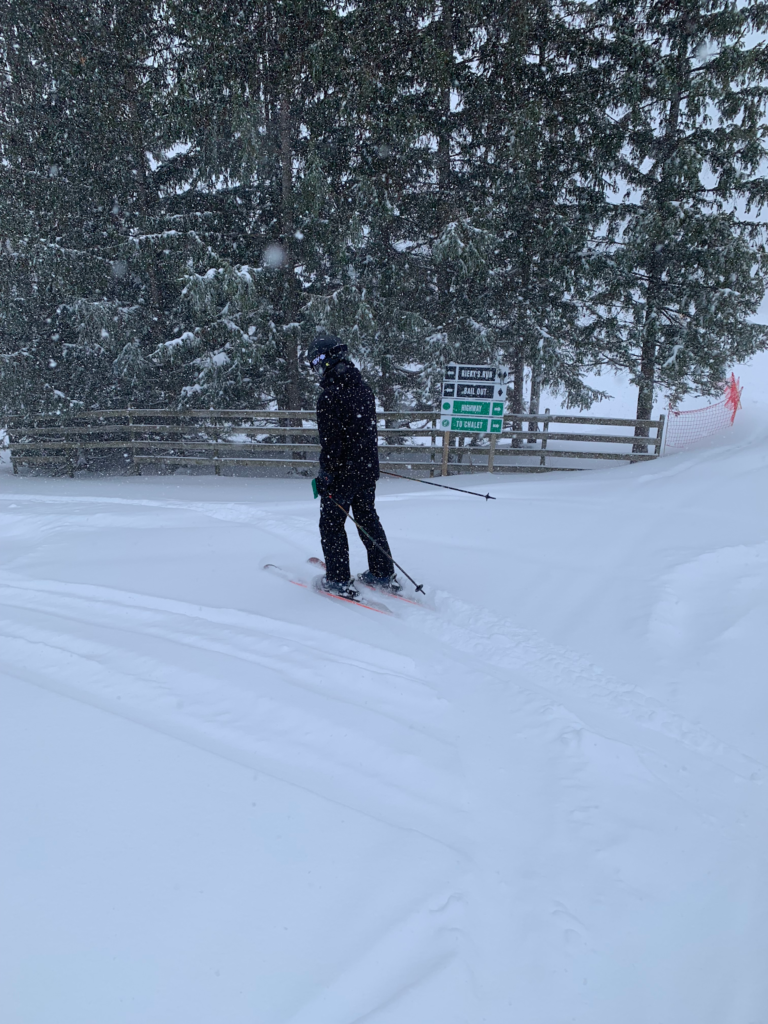
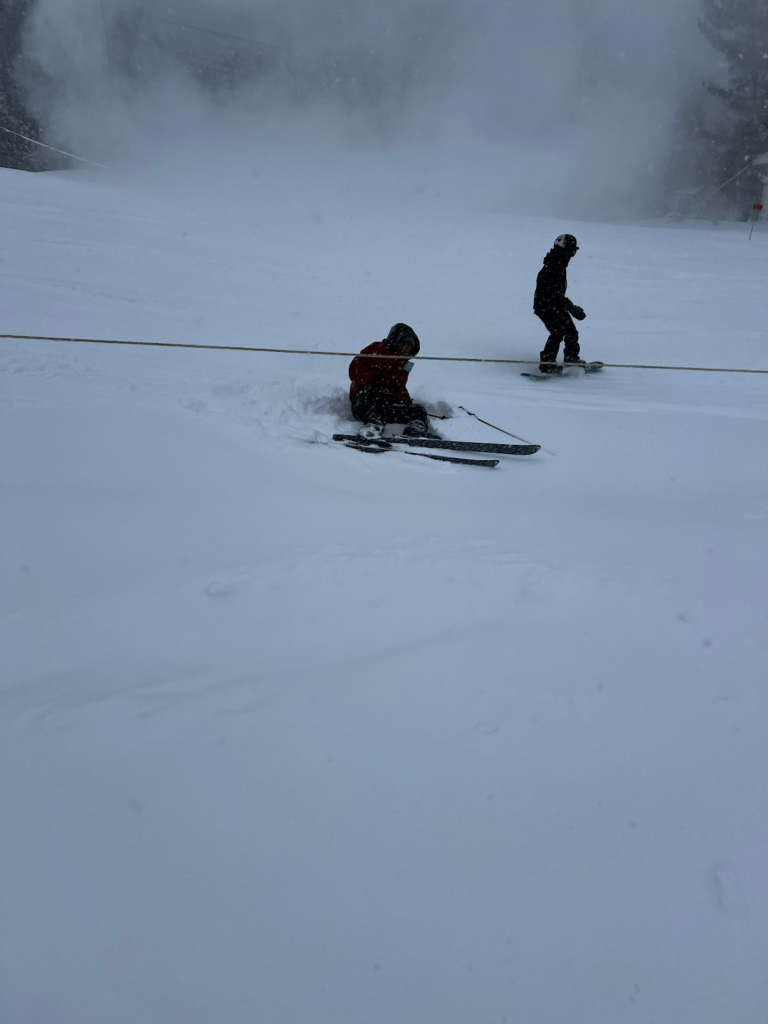
I initially thought the claim that the thick snow affected skateboarding movements was just an excuse. But it’s true; without so much snow, the movements would be much smoother, and I wouldn’t fall flat on my face right away. A little while later, my son skated over and told me he’d fallen too. I was once again convinced that thick snow has both advantages and disadvantages. Although falling doesn’t hurt, it still affects the coordination of movements and makes them distorted. No wonder the slopes at the Olympic Games are almost entirely icy.
I tried the fast cable car a few more times. The advantage was the shorter ride time, and since it went down from the mountaintop, it was easy to reach the cable car station and board. However, the wind was so strong it stung my face; it felt completely numb, I couldn’t even touch it. Later, I went to the slow lane, where the wind blew from the side and I could barely feel it, which was much better. But its slope wasn’t steep enough, especially near the cable car entrance, where you had to walk there yourself, otherwise you wouldn’t be able to board. Even so, I still liked it there. After that, I used this cable car the whole time, while my son skis by himself, and we didn’t bother each other.
About half past three, the ski resort gradually filled up, and we’d had our fill of skiing. Unexpectedly, another mishap occurred when changing my boots. Perhaps due to age, my body is somewhat deformed; my foot got stuck in my boot, and I couldn’t pull it out. It was already a bit difficult to put them on this morning, but I managed to squeeze them in; now taking them off was a struggle. To make matters worse, I got a cramp as soon as I exerted myself. My body suddenly cramped up, and I couldn’t straighten up. Holding the boots I needed to change, I had nowhere to put them, and I had to struggle to straighten my back to relieve the muscle spasms—it was incredibly embarrassing. My son sat there leisurely, not only offering no help but also smiling as he took out his phone and snapped away at my predicament, even recording it. When we got home, I saw my son and wife jumping around with their phones in their hands, laughing so hard they could barely stand, tears streaming down their faces.
Isn’t that infuriating?!