admin
admin 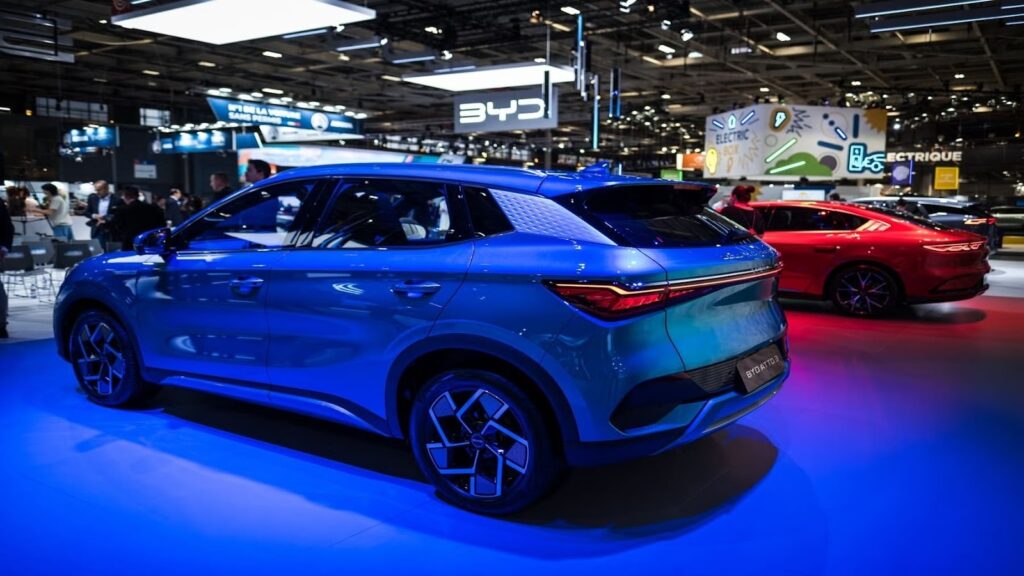
By Victoria HM
Published on: January 19, 2026 at 12:2
The entry of up to 49,000 Chinese electric vehicles into Canada with a reduced tariff marks a key turning point in the bilateral relationship and is seen by Beijing as a positive step after years of trade disputes, reciprocal sanctions, and diplomatic tensions
The key change involves substantially reducing tariffs on Chinese electric vehicles, which previously reached 100% following protectionist measures imposed by the Canadian government in 2024. Under the new agreement, up to 49,000 units per year can be imported with a reduced tariff of around 6.1%, and this figure could be increased to 70,000 vehicles over the next five years.
This marks a significant opening of the Canadian automotive market to Chinese manufacturers such as BYD , Nio, and Great Wall, who now have a clearer path to compete.
Chinese electric vehicles in Canada symbolize a shift in trade direction.
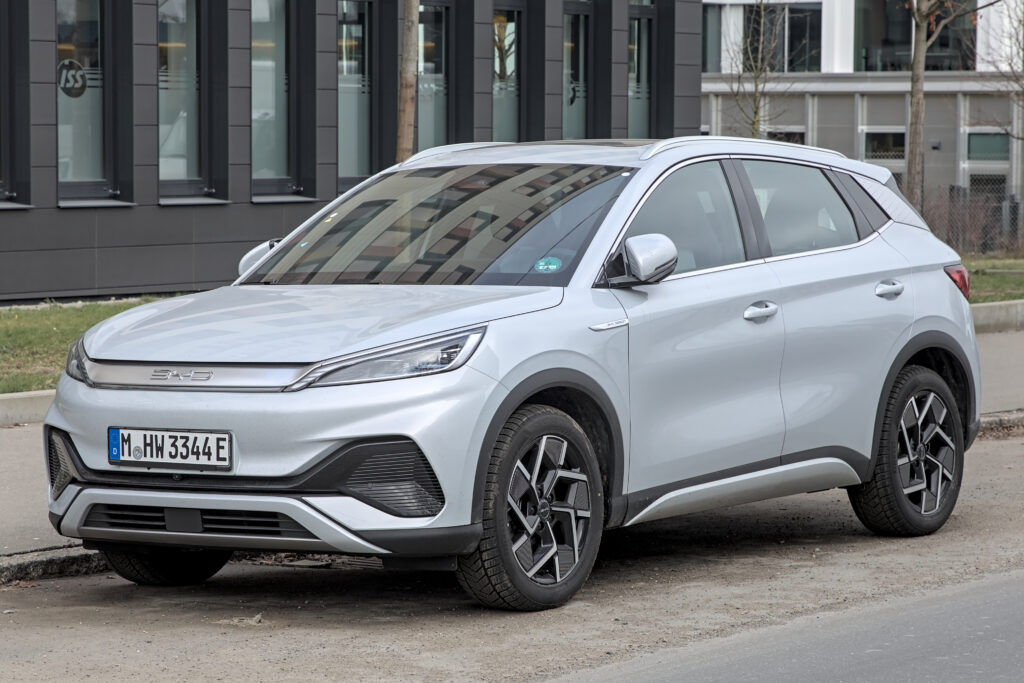 Ottawa’s decision to reduce tariffs on Chinese electric vehicles in Canada signals a strategic shift after years of trade and diplomatic conflict.
The Canadian decision to allow up to 49,000 Chinese electric vehicles to enter the country annually with a most-favored-nation tariff of 6.1% – instead of the previous 100% duty – represents “a positive step in the right direction,” said China’s Ministry of Commerce.
The measure, announced this Friday by Canadian Prime Minister Mark Carney, hours after his meeting with Chinese President Xi Jinping in Beijing, is also “good news for Chinese electric vehicles to develop the Canadian market,” a Ministry official said.
China celebrates the opening of the Canadian market to Chinese electric vehicles
“We hope that the Canadian side will actively fulfill its relevant commitments and continue to move in the same direction as China . Through friendly consultations, both sides should create a fairer, more stable, and non-discriminatory environment for the further expansion of trade and investment cooperation in the electric vehicle sector,” the official said.
Carney also announced a preliminary agreement to reduce Chinese  to a combined rate of around 15%, down from the current 84%, and to remove “discriminatory tariffs” on products such as peas, lobsters, and crabs from the North American country.
In response, Ottawa “will make positive adjustments to the unilateral measures taken against Chinese electric vehicles, steel and aluminum products, as well as in certain cases relating to the investment and operation of Chinese companies in Canada ,” according to the Chinese Ministry of Commerce.
“China and Canada, in the spirit of cooperation, have held multiple rounds of consultations and worked to reduce the list of outstanding issues (…). These arrangements will play a positive role in deepening relevant industrial cooperation between China and Canada and in improving the well-being of the people of both countries ,” the ministry noted.
Ottawa reduces tariffs and seeks to diversify trade relations
Ottawa will “make positive adjustments to the unilateral measures taken against Chinese electric vehicles, steel and aluminum products, as well as in certain cases relating to the investment and operation of Chinese companies in Canada.”
Carney’s visit to China , which concludes this Saturday, comes after years of friction stemming from trade and security disputes, and at a time when Ottawa is seeking to diversify its economic relations in an international scenario marked by growing trade tensions.
Relations between China and Canada began to strain in 2018, when Ottawa arrested Meng Wanzhou, a Huawei executive, at the request of the United States, to which Beijing responded by detaining Canadians Michael Kovrig and Michael Spavor and imposing trade sanctions.
The situation improved partially in 2021 with the  , but worsened again in 2023 when Canadian intelligence denounced Beijing’s interference in its general elections and expelled a Chinese diplomat.
Overall, Canada’s opening to the Chinese electric vehicle market represents a significant step in the reshaping of global economic relations and the automotive industry , requiring a delicate balance between trade cooperation and protecting domestic industry.
Original:https://www.ecoticias.com/movilidad-electrica/vehiculos-electricos-chinos-en-canada-aranceles-acuerdo